Pilot, Co-Pilot, Two Loadmasters: Meet the 4-Person Crew That Flies the C-17
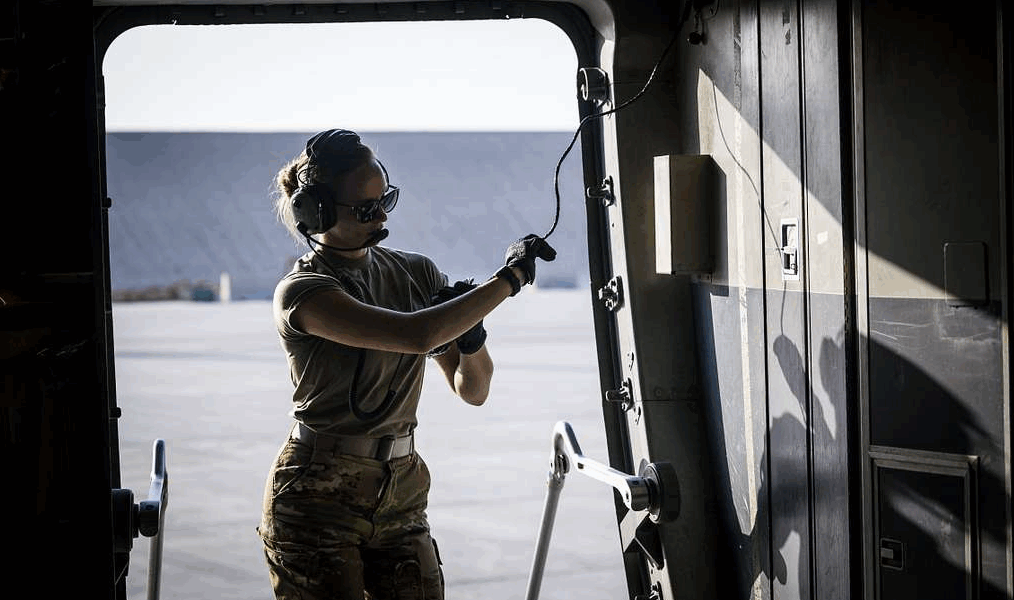
Every C-17 mission flies with just four crew members: two pilots up front and two loadmasters in back. For an aircraft that can carry 170,000 pounds of cargo or over 100 passengers across oceans, that’s a remarkably small team. Each crew member brings specialized skills, and together they form an integrated unit capable of operating the world’s most versatile airlifter in the most demanding conditions.
The Pilot (Aircraft Commander)
The Aircraft Commander sits in the left seat and bears ultimate responsibility for everything that happens on the mission.
Responsibilities
- Mission authority: Final decision on all operational matters
- Safety: Responsible for aircraft, crew, passengers, and cargo
- Legal authority: Signs for the aircraft as pilot in command
- Crew leadership: Sets tone and manages crew dynamics
Typical Background
Aircraft Commanders typically have:
- 1,000-1,500+ total flight hours
- 500+ hours in the C-17
- 3-5+ years of operational experience
- Successful upgrade training and evaluation
During the Mission
The Aircraft Commander:
- Makes go/no-go decisions based on weather, maintenance, and mission factors
- Briefs the crew on mission details and contingencies
- Often flies critical phases (takeoff, landing, tactical operations)
- Coordinates with controlling agencies and commanders
- Signs off on weight and balance, fuel load, and cargo configuration
The Copilot
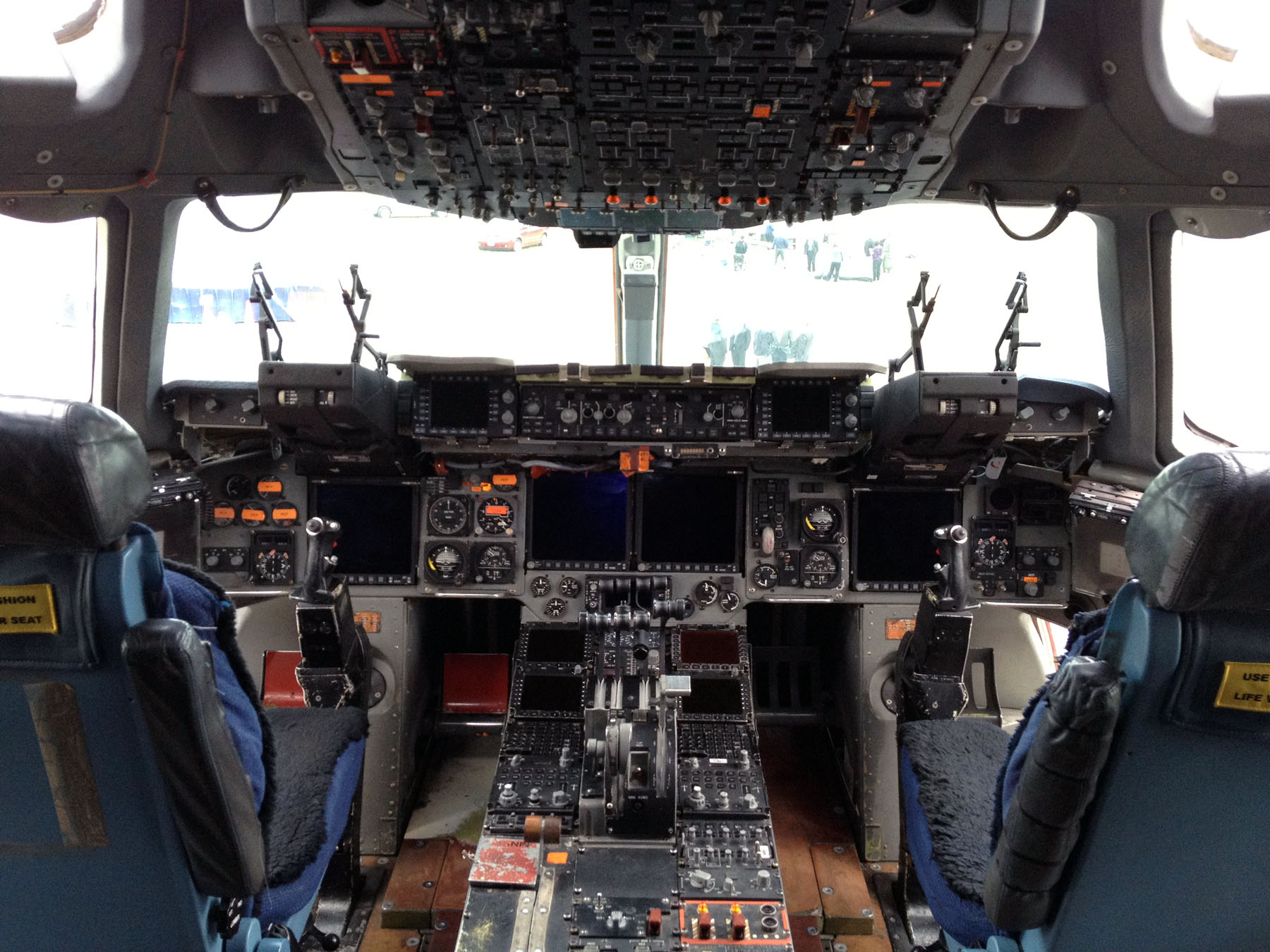
The copilot occupies the right seat and serves as the second pilot while building experience toward Aircraft Commander upgrade.
Responsibilities
- Backup pilot: Ready to take controls if needed
- Systems management: Monitors aircraft systems and performance
- Communication: Handles radio calls and coordination
- Navigation: Manages flight management system and navigation
Career Progression
Copilots progress through phases:
- Basic qualified: Can fly basic missions under supervision
- Mission qualified: Fully capable in all mission types
- Instructor candidate: Building toward upgrade
During the Mission
The copilot typically:
- Flies selected legs to build proficiency
- Runs checklists and monitors systems
- Manages radios and transponder
- Backs up the Aircraft Commander on all decisions
- Monitors fuel, time, and navigation
The Senior Loadmaster
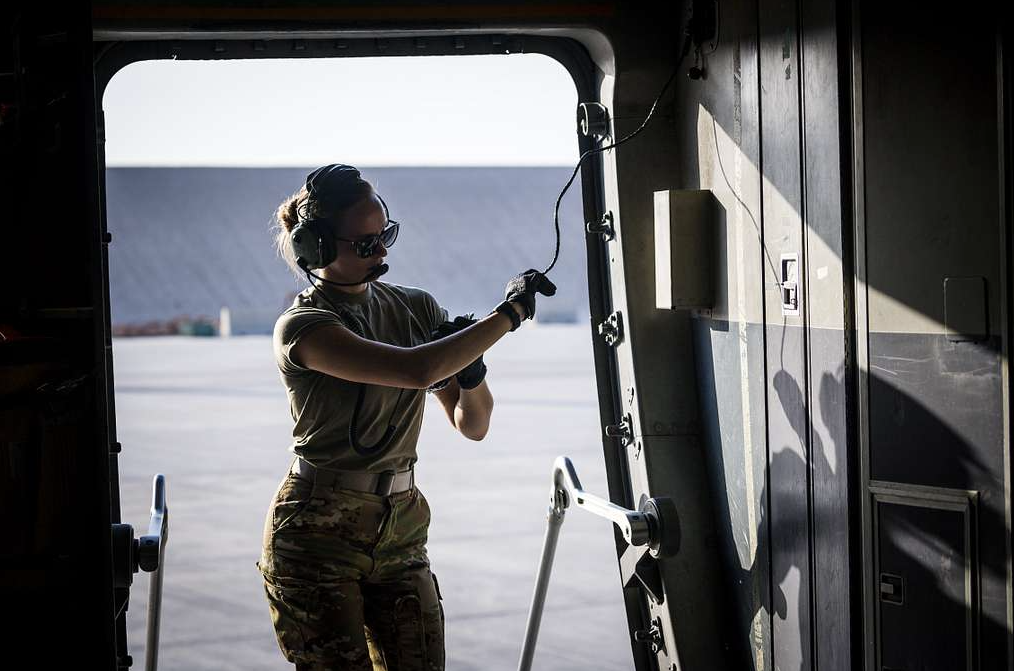
The senior loadmaster leads cargo operations and serves as the crew expert on everything that happens behind the cockpit.
Responsibilities
- Cargo authority: Plans and supervises all cargo operations
- Weight and balance: Calculates and verifies aircraft loading
- Safety: Ensures safe cargo restraint and passenger handling
- Crew coordination: Briefs pilots on cargo configuration
Expertise Required
Loadmasters must master:
- Weight and balance calculations
- Cargo restraint methods and requirements
- Airdrop procedures and rigging
- Passenger handling and safety
- Emergency procedures for cargo area
During the Mission
The senior loadmaster:
- Develops the load plan based on cargo manifest
- Supervises loading and restraint
- Briefs passengers on safety procedures
- Monitors cargo during flight
- Coordinates airdrop timing and execution
- Manages offload at destination
The Second Loadmaster
The second loadmaster works alongside the senior loadmaster, sharing the substantial workload of cargo operations.
Responsibilities
- Cargo handling: Physical loading, restraint, and monitoring
- Backup: Cross-checks calculations and procedures
- Passenger assistance: Helps with passenger needs during flight
- Emergency response: Trained for cargo area emergencies
During the Mission
The second loadmaster typically:
- Assists with loading supervision
- Verifies restraint adequacy
- Monitors cargo for shifting during flight
- Assists passengers as needed
- Participates in airdrop operations
- Helps with offload and reconfiguration
Crew Resource Management
The four-person crew operates under Crew Resource Management (CRM) principles that ensure effective teamwork:
Communication
- Open discussion of concerns and observations
- Standardized callouts and briefings
- Clear chain of communication
- Encouragement of crew input regardless of rank
Decision Making
- Aircraft Commander has final authority
- All crew members expected to contribute
- Time-critical decisions may be unilateral
- Non-critical decisions involve crew discussion
Workload Management
- Tasks distributed based on phase of flight
- Cross-monitoring prevents errors
- Backup procedures for crew incapacitation
- Rest management during long missions
Crew Coordination in Action
Normal Operations
During routine operations:
- Pilots handle flight operations
- Loadmasters manage cargo bay
- Interphone connects all crew positions
- Regular updates between cockpit and cargo bay
Tactical Operations
During airdrop or assault landings:
- Constant communication between all crew
- Loadmasters provide timing calls
- Pilots adjust for loadmaster requirements
- Precise choreography of complex operations
Emergency Procedures
During emergencies:
- Pilots focus on flying the aircraft
- Loadmasters prepare cabin and cargo
- Clear division of duties prevents confusion
- Cross-trained crew can substitute if needed
Crew Duty Limits
Regulations limit how long crews can fly:
Basic Crew Day
- Maximum duty period: 16-18 hours depending on factors
- Maximum flight time: 12 hours typically
- Required crew rest: Minimum 12 hours between duties
Augmented Crew
For longer missions, additional crew members allow extended operations:
- Extra pilot allows rest during flight
- Extra loadmaster allows rotation
- Bunks in cargo area for crew rest
- Extended duty periods up to 24+ hours
Training Together
Crew Continuity
Many squadrons maintain crew continuity:
- Same four members fly together regularly
- Builds familiarity and efficiency
- Develops crew-specific procedures
- Enhances safety through known relationships
Cross-Training
While each position is specialized:
- Pilots understand loadmaster concerns
- Loadmasters understand flight operations
- All crew trained in emergency procedures
- Mutual respect for each specialty
The Human Element
Technology makes the C-17 possible, but the four-person crew makes it effective:
Judgment
Computers can calculate performance, but humans must decide:
- Whether the mission should proceed
- How to handle unexpected situations
- When to deviate from the plan
- How to balance competing priorities
Adaptability
No mission goes exactly as planned:
- Weather changes require rerouting
- Cargo configurations change at the last minute
- Tactical situations evolve
- Equipment malfunctions must be managed
Endurance
Long missions demand sustained performance:
- 12+ hour flights are common
- Multiple legs across time zones
- Physical demands of loading and unloading
- Mental demands of constant vigilance
Why It Matters
The four-person crew concept is central to C-17 operations. Fewer crew members than legacy airlifters means lower operating costs and simpler crew scheduling. But it also means each crew member carries significant responsibility.
For those aspiring to fly or work on the C-17, understanding the crew concept helps set expectations. Whether you’re drawn to the cockpit or the cargo bay, you’ll be part of a small team where your contribution directly affects mission success.
Two pilots, two loadmasters—four professionals working together to operate one of the world’s most capable aircraft. It’s a model that has proven itself across millions of flight hours and countless missions.

Subscribe for Updates
Get the latest articles delivered to your inbox.
We respect your privacy. Unsubscribe anytime.