How C-17 Pilots Build Six-Figure Careers After the Military
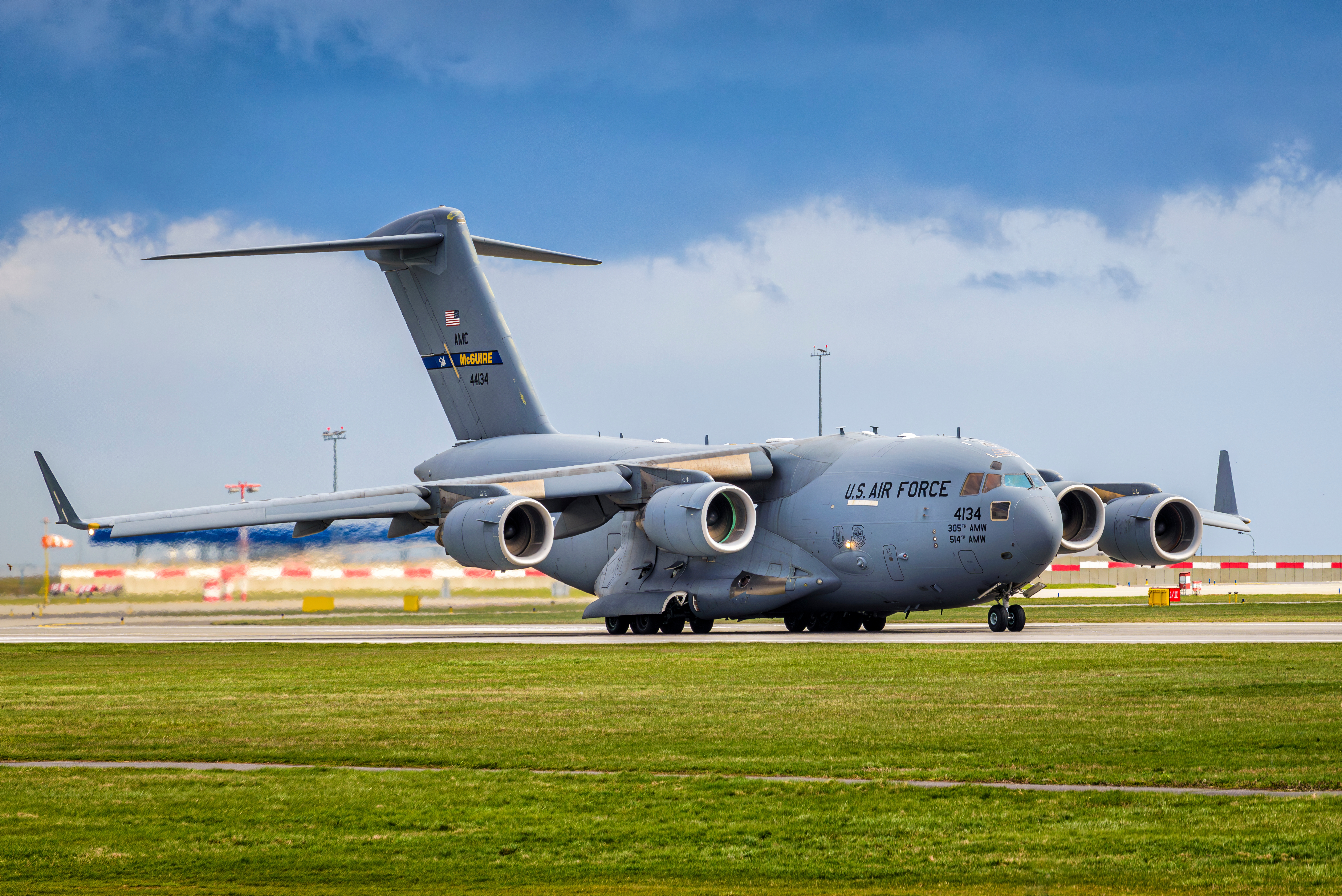
Let’s talk about money. Specifically, how C-17 pilots transition from military service to six-figure civilian careers.
Because here’s the reality: while military pilot pay is decent, the real financial opportunity comes after you leave active duty. And if you play it right, you can be making $200,000+ within a few years of hanging up your uniform.
I’m not talking about theoretical possibilities or best-case scenarios. This is the actual career path that thousands of former military pilots have followed. The demand for experienced pilots is real, the opportunities are substantial, and the timeline is predictable.
Let me walk you through exactly how it works.
The Foundation: What You Bring to the Table
Before we talk about civilian careers, let’s acknowledge what you have as a C-17 pilot leaving the Air Force.
You’ve got thousands of hours of multi-engine turbine time. Airlines and cargo operators value this experience enormously. You’re not some fresh commercial pilot with a few hundred hours in a Cessna—you’re a qualified aircraft commander with experience in a complex, heavy aircraft.
You understand crew resource management. You’ve worked with loadmasters, coordinated with air traffic control, managed complex flight plans, and operated in challenging environments. That experience translates directly to airline operations.
You have decision-making experience under pressure. You’ve flown tactical approaches, dealt with emergencies, and made critical decisions with lives and millions of dollars of equipment at stake. That judgment and composure matter.
You understand international operations. You’ve navigated diplomatic clearances, dealt with foreign air traffic control, and operated in dozens of countries. Commercial airlines that fly internationally value this experience.
You likely have a security clearance. This opens doors to contract pilot positions, government agency flying jobs, and other opportunities that require clearances.
And probably should mention—you have the GI Bill. That’s up to 36 months of education benefits that can fund additional ratings, college degrees, or other training while you’re transitioning.
The Timeline: When Does the Money Start?
The trajectory from military service to a six-figure income varies, but here’s a typical timeline.
Years 0-2: Building Time and Getting Hired
Most C-17 pilots leave active duty after their initial commitment (typically 10 years of service from commissioning). You’ll separate with 2,000-4,000 flight hours depending on how busy your squadron was.
The immediate post-separation period is about getting hired. Major airlines prefer pilots with ATP (Airline Transport Pilot) certificates, type ratings in commercial aircraft, and ideally some turbine PIC (pilot in command) time. You’ve got the flight hours and the turbine time. You’ll need to get your ATP written and practical exams completed.
Many former military pilots get hired by airlines within months of separation. The hiring timeline varies based on the airline industry’s current state—during hiring booms, you might have a job lined up before you even separate. During downturns, it might take longer.
First-year pay at major airlines typically ranges from $90,000-$150,000 depending on the airline and aircraft type. That’s already competitive with or better than military pay, and you’re not deploying or dealing with military bureaucracy.
Regional airlines pay less—$50,000-$80,000 first year—but most former military pilots go straight to major or cargo airlines rather than starting at regionals.
Years 2-5: Advancing Through the Seniority System
Airlines operate on strict seniority systems. Your hire date determines everything—which aircraft you can fly, which seats you can hold, which bases you can work from, and how much you earn.
As you gain seniority, your pay increases. By year three or four at a major airline, you’re typically making $150,000-$200,000 as a first officer. Upgrade to captain, and you’re immediately in the $250,000+ range.
The seniority progression is automatic as long as you don’t screw up. You’re not competing for promotions or trying to impress supervisors—your date of hire determines your place in line, and you advance as people ahead of you retire or upgrade.
Years 5-10: Captain and Beyond
Most former military pilots upgrade to captain within 5-8 years at major airlines. This depends on the airline’s growth rate, retirement numbers, and fleet expansion.
Captain pay at major airlines ranges from $250,000-$400,000+ depending on aircraft type and seniority. Senior wide-body captains at top-paying airlines can make over $400,000 annually.
And that’s just base salary. Add in per diem, overtime, profit sharing, and 401(k) matching, and total compensation can exceed $500,000 for senior captains at the highest-paying airlines.
The Major Airlines: Your Primary Path
Let’s talk specifics about the major U.S. airlines because this is where most C-17 pilots end up.
Delta, United, American
The “big three” U.S. airlines are the most common destinations for former military pilots. They hire heavily from the military, they pay well, and they offer good quality of life.
Pay scales are publicly available (pilot unions publish them), and they’re generous. First-year first officers make around $90,000-$100,000. By year 12 as a captain on a wide-body aircraft, you’re making $350,000-$400,000.
Benefits are substantial. Health insurance, retirement contributions, travel benefits for you and your family, and profit sharing in good years.
The hiring process typically involves submitting your application through the airline’s website, completing aptitude tests, and interviewing. Your military flying experience counts heavily in your favor. Many airlines have military hiring programs or recruiters who specifically target transitioning military pilots.
Southwest
Southwest operates only 737s, which simplifies training and scheduling. They’re known for good pay and quality of life.
The single aircraft type means faster upgrades to captain since you’re not waiting to transition between aircraft types. Pay is competitive with the big three, and the company culture is generally regarded as positive.
The downside? You’re flying domestic routes exclusively. If you want international flying, Southwest isn’t the option.
Alaska, JetBlue, Spirit, Frontier
These airlines fall into a tier below the big three in terms of size, but they offer competitive pay and often faster upgrades to captain due to smaller pilot groups.
Alaska Airlines in particular is popular with former military pilots. The company has a strong West Coast presence and good quality of life. Pay is competitive, and the company culture values the discipline and professionalism that military pilots bring.
Cargo Airlines: The Alternative Path
Not everyone wants to fly passengers. Cargo airlines offer a different lifestyle with comparable or better pay.
FedEx
FedEx is the premier cargo airline career for many former military pilots. The pay is exceptional—among the highest in the industry. Senior wide-body captains make over $400,000 annually.
FedEx flies primarily at night (packages move overnight), which isn’t for everyone. But the flying is pure flying—no passenger service, no delays due to boarding issues, no dealing with people who don’t understand why their bag won’t fit in the overhead bin.
The company hires heavily from military backgrounds. They value the discipline, the international experience, and the ability to handle complex aircraft.
The downside is the schedule. Night flying disrupts your circadian rhythm. You’re working while the rest of the world sleeps. Some people adapt well. Others struggle.
UPS
UPS is similar to FedEx—primarily cargo, night flying, excellent pay. Senior captains make $350,000-$400,000+.
The company culture is slightly different from FedEx, but both offer similar quality of life and compensation. Many pilots apply to both and take whichever offers first.
Atlas Air, Kalitta Air, ABX Air
These are contract cargo carriers that operate for various customers. They fly international routes, often with extended time away from home.
Pay is good—not quite FedEx/UPS levels, but still six figures relatively quickly. The schedule typically involves flying for a week or two, then having an extended period off. This appeals to some people who prefer to have blocks of time at home rather than being home every few days.
Corporate and Charter: The Boutique Option
Some former military pilots prefer corporate or charter flying over airlines. The lifestyle is different, and the pay can be excellent.
Corporate flight departments for major companies (think Fortune 500 companies with flight departments) hire experienced pilots to fly executives. You’re flying smaller aircraft (typically business jets rather than airliners), operating on flexible schedules, and providing white-glove service.
Pay for corporate captains ranges from $150,000-$300,000+ depending on the company, aircraft type, and your responsibilities. Senior positions at major corporate flight departments can exceed $350,000.
The quality of life can be outstanding. You’re typically based near the company headquarters. You might fly only 200-300 hours per year. You’re flying to nice destinations. The passengers are generally polite executives rather than the general public.
The downside? Job security is tied to one company. If they decide to sell the aircraft or outsource the flight department, you’re looking for a new job. Airlines offer more stability.
Charter companies like NetJets, Flexjet, and VistaJet offer similar flying but with different business models. You’re flying various customers rather than company executives. Pay is competitive, and you get variety in destinations and passengers.
Government and Contract Positions
Not everyone leaves the military flying world entirely. Various government agencies and contractors hire pilots with clearances and military experience.
State Department/Embassy Support
The State Department operates aircraft to transport diplomats and conduct embassy support missions. Pay ranges from $150,000-$250,000+ depending on the position and location.
These jobs often involve overseas assignments, but you’re supporting diplomatic missions rather than military operations. The flying can be interesting—you’re operating in challenging environments with interesting passengers.
Defense Contractors
Companies like Blackwater (now Academi), DynCorp, and others hire military pilots for contract positions supporting government operations. Pay can exceed $200,000 for experienced pilots, particularly for deployments to challenging locations.
The work is often similar to military flying but with contractor pay and benefits. You might be flying cargo missions in conflict zones, supporting special operations, or conducting other specialized missions.
Test Pilot Positions
For pilots with test pilot school credentials, contractor test pilot positions offer both interesting work and excellent pay. Companies developing aircraft or systems need experienced test pilots, and they pay well—$200,000-$300,000+ for senior test pilots.
Guard and Reserve: Having It Both Ways
Here’s a strategy that many C-17 pilots use: transition to the Guard or Reserve while starting an airline career.
The Guard and Reserve allow you to maintain your military flying, keep your security clearance, work toward a military retirement, and earn additional income—all while building seniority at an airline.
A typical arrangement might look like this: You separate from active duty and get hired by a major airline. You simultaneously join a Guard or Reserve C-17 unit. You fly for the airline most of the month, then do your Guard/Reserve duty one weekend and two weeks per year. Your Guard/Reserve pay adds $20,000-$40,000+ annually to your airline salary.
After 20 total years of military service (combining active duty and Guard/Reserve time), you qualify for military retirement pay. Even as a major, that’s $30,000-$50,000+ per year for life starting at age 60 (or earlier if you have active duty time).
So your total compensation might be: $200,000 airline salary + $30,000 Guard pay + various benefits. And eventually you’ll add retirement pay on top of that.
The airlines are generally accommodating of military leave requirements. Federal law protects your right to take military leave, and most airlines have specific policies to handle Guard/Reserve pilots.
The Math: Real Examples
Let me give you some real-world examples of actual career trajectories.
Example 1: Traditional Airline Path
Captain Mike (fictional name, real story) separated from the Air Force after 10 years with 3,000 flight hours. He got hired by Delta within three months of separation.
Year 1: $95,000 as a first officer on the 737
Year 3: $140,000 as a first officer on the 737
Year 6: $180,000 as a senior first officer on the 737
Year 8: Upgraded to captain on the 737: $255,000
Year 12: Transitioned to wide-body captain (A330): $350,000
Year 15: Senior wide-body captain: $385,000
He’s now making nearly four times his final military salary. He’s home more than he was in the Air Force. He’s not deploying. And his retirement benefits (401(k) with company matching plus profit sharing) are substantial.
Example 2: Cargo Career
Captain Sarah separated after 11 years with 3,500 hours and got hired by FedEx.
Year 1: $95,000 as a first officer on the 757
Year 4: $155,000 as a senior first officer
Year 7: Upgraded to captain on the 757: $270,000
Year 10: Wide-body captain (777): $385,000
She works nights, which took adjustment. But she makes excellent money, the flying is straightforward, and she has extended periods at home between trips.
Example 3: Guard + Airlines
Captain Tom separated after 10 years but joined a Guard C-17 unit. He got hired by United.
Year 1: $92,000 United salary + $22,000 Guard = $114,000 total
Year 5: $175,000 United + $28,000 Guard = $203,000 total
Year 8: Upgraded to captain: $265,000 United + $35,000 Guard = $300,000 total
Year 20: Senior captain: $370,000 United + $40,000 Guard + $42,000 military retirement = $452,000 total
He maintained connections with the military, continued flying the C-17 part-time, and built a military retirement while also maximizing airline earnings.
What About the Economy?
The obvious question: what happens during economic downturns?
Airlines are cyclical businesses. During recessions, demand for air travel drops, airlines reduce capacity, and hiring slows or stops. The 2008 financial crisis saw hiring freezes and even furloughs. The COVID-19 pandemic caused massive disruptions.
But here’s the key: airlines don’t stay down forever. They recover, demand returns, and hiring resumes. And pilots who maintained their seniority through downturns end up even better positioned when things improve.
The long-term trend is consistently upward. There’s a global pilot shortage developing as older pilots retire. Boeing and Airbus predict the industry will need hundreds of thousands of new pilots over the next 20 years. Your military experience makes you more competitive during hiring slowdowns.
Risk management strategies include:
– Building emergency savings before leaving the military
– Joining the Guard/Reserve to maintain a backup income source
– Being flexible about which airline you’ll work for
– Considering cargo airlines, which are less affected by passenger demand fluctuations
The Lifestyle Consideration
Six-figure income sounds great, but what’s the lifestyle actually like?
Airline pilots typically work 12-16 days per month. You’re off the rest of the time. This is very different from military flying, where you’re at work Monday through Friday even if you’re not flying.
The schedule is irregular. You might work three days, have two off, work four days, have three off. Some pilots love this. Others prefer a more regular schedule.
You’ll be away from home overnight regularly. Most airline trips involve overnighting in hotels. You might be gone for four days, home for three, gone for three, home for four. This can strain family relationships if you’re not intentional about making the most of your home time.
Seniority determines quality of life. Junior pilots get the worst schedules—nights, weekends, holidays, undesirable routes. Senior pilots can hold day trips, weekends off, and premium routes. It takes years to build enough seniority for the best schedules.
The flying itself is often less interesting than military flying. You’re following very specific procedures, flying the same routes repeatedly, and dealing with air traffic control delays. It’s professional and safe, but it’s not tactical flying or formation flying or airdrop missions.
But—and this is important—you control your life in ways you never could in the military. You’re not deploying involuntarily. You’re not getting orders to move across the country. You’re not dealing with additional duties or mandatory fun runs. When you’re off, you’re truly off.
Alternative Paths: When Six Figures Isn’t the Goal
Not everyone prioritizes maximum income. Some alternatives for former C-17 pilots:
Flying for Humanitarian Organizations
Organizations like Missionary Aviation Fellowship, MAF, and others hire pilots to support missionary and humanitarian work. Pay is lower—$50,000-$100,000—but the mission is meaningful. You’re delivering medical supplies, transporting aid workers, and supporting communities in remote areas.
Flight Instruction
Some former military pilots become flight instructors, either at civilian flight schools or at military training bases as contractors. Pay ranges widely from $60,000 for basic instruction to $150,000+ for specialized instruction or check airman positions.
Non-Flying Careers Using Your Skills
Your leadership experience, logistics understanding, and technical knowledge translate to non-flying careers. Aviation safety, airline management, logistics consulting, and various other fields value former military pilots. These careers can also reach six figures but through different paths.
Preparing for the Transition
If you’re still on active duty and planning to pursue an airline career, here’s how to prepare:
Build Your Flight Hours
Volunteer for missions. Fly as much as your squadron will let you. Every hour counts toward airline minimums and makes you more competitive.
Get Your ATP
You can complete your ATP written exam while still on active duty. Some bases offer ATP prep courses. Study and pass the written before you separate—one less thing to do during your transition.
Network
Connect with other former military pilots who’ve transitioned to airlines. Ask questions. Learn from their experiences. Many airlines have military pilot organizations that mentor transitioning pilots.
Understand Airline Hiring Cycles
Airlines hire in waves. Research which airlines are hiring, what their requirements are, and when to apply. Timing your application during a hiring boom can make a huge difference.
Prepare Financially
Have 6-12 months of expenses saved before separating. There will be a gap between your last military paycheck and your first airline paycheck. You don’t want to be desperate for income during your transition.
Use Your GI Bill Strategically
If you need additional ratings or want to complete a degree, use your GI Bill. The education benefits are valuable—don’t leave them on the table.
The Bottom Line
Can C-17 pilots build six-figure careers after the military? Absolutely. Is it guaranteed? No, but it’s highly likely if you’re competent, professional, and strategic about your transition.
The path is clear: separate with strong flight hours, get hired by a major airline or cargo carrier, advance through the seniority system, and upgrade to captain. Within 8-12 years, you’re making $250,000+. Add in Guard/Reserve participation and eventual military retirement, and total compensation can exceed $400,000.
This isn’t a lottery ticket or a get-rich-quick scheme. It’s a proven career path that thousands of pilots have followed successfully. The demand exists, the jobs are available, and your military experience is valued.
The trade-off is giving up some of the unique aspects of military flying—the camaraderie, the mission focus, the variety of operations. But you gain stability, higher income, control over your schedule, and significantly better family life.
Is it worth it? That’s personal. Some pilots wouldn’t trade military flying for anything. Others can’t wait to transition to civilian life. Both perspectives are valid.
But if your goal is to convert your C-17 experience into a six-figure civilian career, the opportunities are there. The timeline is predictable. And the financial rewards are substantial.
You invested years in serving your country and developing expertise in a complex aircraft. Now it’s time to leverage that investment into a career that compensates you appropriately for your skills.
The path is yours to walk. The opportunities are waiting. And six figures isn’t just possible—it’s probable.

Subscribe for Updates
Get the latest c-17 pilot updates delivered to your inbox.
We respect your privacy. Unsubscribe anytime.