C-17 Loadmaster vs Pilot Career Comparison
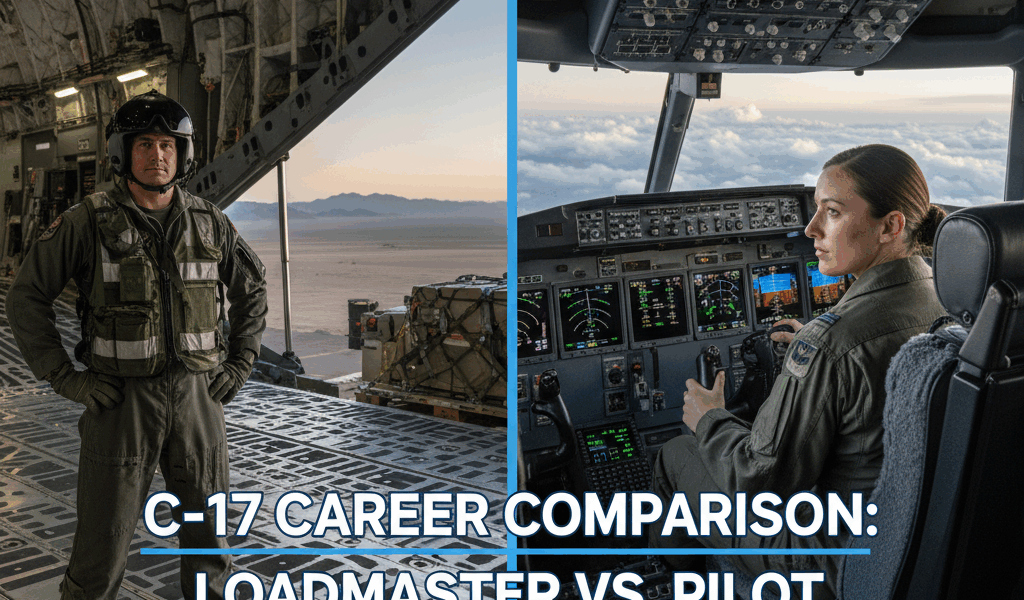
Military aviation career paths have gotten complicated with all the conflicting advice flying around online. As someone who spent years working with C-17 crews in both the cockpit and cargo bay, I learned everything there is to know about the differences between pilot and loadmaster careers. Today, I will share it all with you.
The question comes up constantly in military aviation circles: should I go officer and fly, or enlist and work the cargo bay? For anyone interested in C-17s, the choice between pilot and loadmaster shapes your entire career. Neither path is obviously better—they’re fundamentally different jobs that happen to share the same aircraft.
I’ve watched this debate play out in countless conversations. Let me share what actually distinguishes these careers.
Getting In: The Basic Divide
The most obvious difference? Pilots need a college degree and officer commission. Loadmasters don’t.
Want to fly the jet from the left seat? You’ll need that bachelor’s degree from somewhere accredited, then commission through ROTC, the Academy, or Officer Training School. You’ll take the AFOQT and need competitive scores. The flight physical is Class I—the most stringent standard. And you’ll sign a 10-year commitment after completing pilot training.
The loadmaster path starts simpler. High school diploma, decent ASVAB scores, Class III flight physical, and standard enlistment terms. No college required to start, though plenty of loadmasters pursue degrees while serving.
Training: Very Different Paths
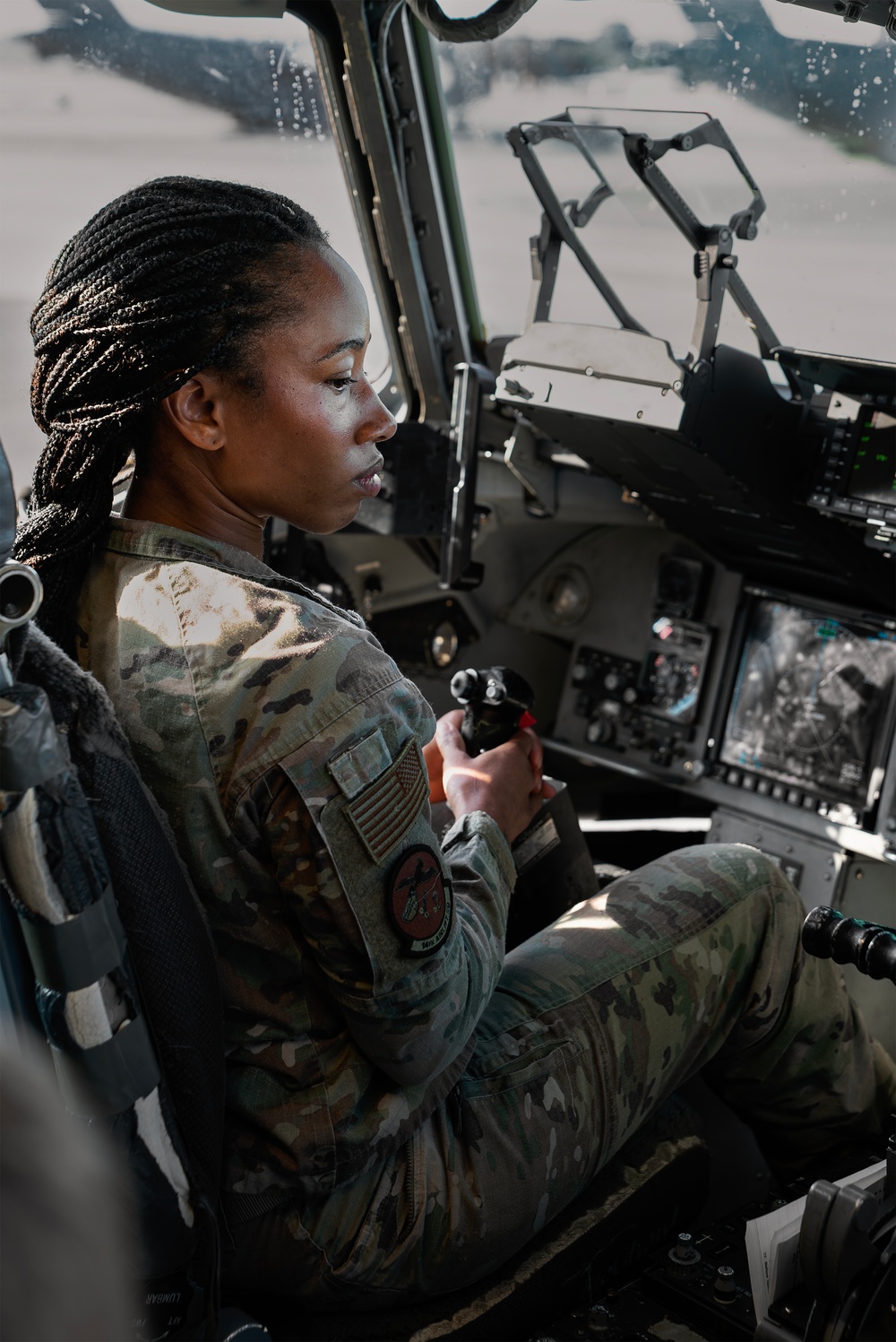
Pilot training takes years. We’re talking Undergraduate Pilot Training at roughly 52 weeks, then C-17 Formal Training Unit for another six months, then mission qualification at your operational squadron. Add it up and you’re looking at 2-3 years before you’re really contributing to the mission.
Loadmasters? Basic training at seven weeks, aircrew fundamentals at two weeks, basic loadmaster course at nine weeks, C-17 qualification at six weeks, then mission qual. Six to nine months total. You’re operational while pilot candidates are still practicing pattern work in T-6s.
What You Actually Do
Probably should have led with this section, honestly. Pilots control the aircraft. That’s the fundamental job—managing the flight path, running the systems, making decisions when things go wrong. The aircraft commander has final authority for everything that happens.
Loadmasters control the cargo. They calculate weight and balance, supervise loading, secure everything for flight, monitor the load in the air, and manage offload or airdrop. They’re responsible for knowing exactly what’s in that cargo bay and making sure it stays where it belongs.
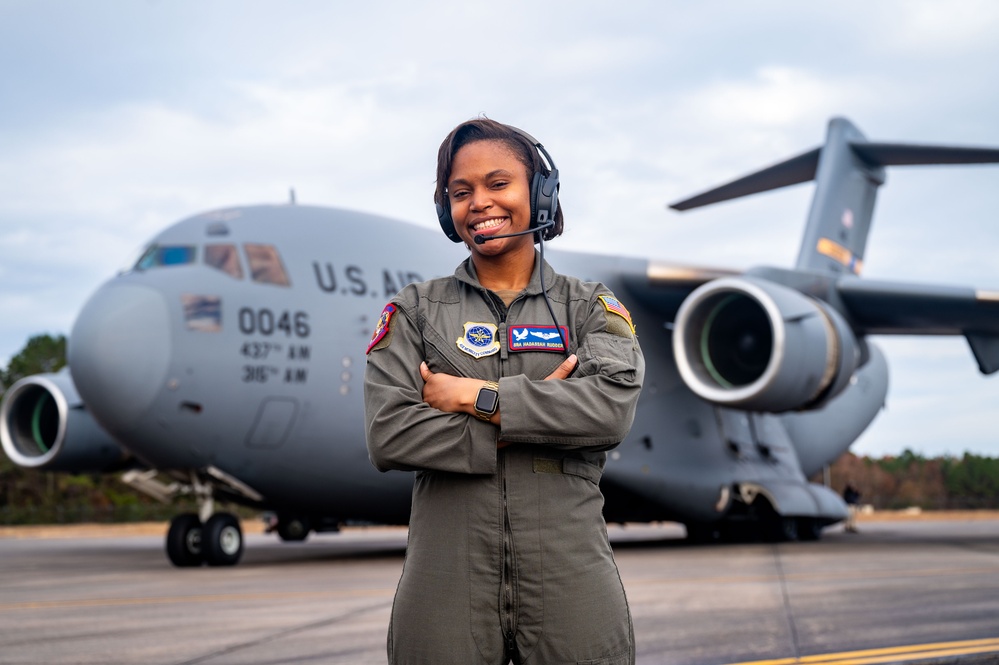
Both jobs are technical. Both require constant attention. But the nature of the attention differs completely.
The Money Question
Officers make more. That’s just reality. An O-3 Captain with six years in service takes home base pay around $81,000 annually, plus aviation career incentive pay, plus housing and subsistence allowances. Total compensation can reach $150,000 depending on location.
A Technical Sergeant loadmaster with ten years? Base pay closer to $51,000, plus career enlisted flyer incentive pay, plus the same allowance structure. Total compensation in the $70,000-$95,000 range.
The gap is real. Whether it’s worth the additional requirements depends on what else you value.
How Careers Progress
Pilot progression runs through upgrade milestones—copilot to aircraft commander in a few years, then instructor pilot, then flight examiner. Leadership positions open up at major and lieutenant colonel. The path leads toward squadron command for some, staff positions for others.
Loadmaster progression follows enlisted structures. That’s what makes the NCO track endearing to us cargo professionals—it combines technical expertise with genuine leadership responsibility. You go from basic qualified to primary instructor over several years, potentially examiner after that. Senior NCO positions handle flight chief and superintendent duties. Some folks transition into special operations or other specialty tracks.
Both paths offer genuine advancement. The timelines and structures just look different.
Life on the Road
Both jobs mean time away. Pilots typically see 120-180 days deployed or TDY annually. Loadmasters run maybe 100-160 days. The variation reflects mission assignment and operational tempo more than inherent job differences.
What differs is what you do when you’re home. Pilots carry more additional duties and staff work, especially as rank increases. Loadmasters generally have fewer office obligations, though that varies by squadron.
After the Military
Pilot credentials transfer directly to civilian airlines. Major carriers pay senior captains north of $300,000. Cargo airlines like FedEx and UPS recruit heavily from military transport backgrounds. Starting salaries typically land in the $80,000-$120,000 range.
Loadmaster civilian options exist but look different. Cargo airline loadmaster positions, aviation logistics roles, airport operations, supply chain management. Starting salaries run $45,000-$70,000, with senior positions reaching higher. Good careers, just different scale.
Making the Decision
Choose pilot if you want ultimate aircraft authority, have or can get the degree, accept the 10-year commitment, and prioritize maximum earning potential.
Choose loadmaster if you want to start flying faster, prefer hands-on mission involvement, want flexibility without a long commitment, and don’t need or want officer responsibilities.
Neither choice is settling. The C-17 doesn’t fly its mission without both positions. Crews work together for hours in the same aircraft, facing the same conditions, serving the same purpose.
What Crews Actually Say
Talk to pilots and loadmasters in the same squadron and you’ll hear mutual respect. Pilots appreciate loadmasters who know their stuff and solve problems without drama. Loadmasters appreciate pilots who fly smooth and don’t second-guess cargo decisions.
The best crews function as teams where rank matters less than competence. Everyone has a job. Everyone does it well. The mission succeeds.
Your career choice determines where you sit in the aircraft and what you’re responsible for. It doesn’t determine your value to the mission. Both positions matter. Both careers reward excellence.
Compare the current loadmaster pay components before weighing the two career paths. Read the related guide.
Compare the full entry paths in the C-17 pilot guide and C-17 loadmaster guide.
For a source-based compensation comparison, use the C-17 pilot pay guide and Air Force loadmaster pay guide.

Subscribe for Updates
Get the latest c-17 pilot updates delivered to your inbox.
We respect your privacy. Unsubscribe anytime.