Travis Air Force Base C-17 Gateway to the Pacific
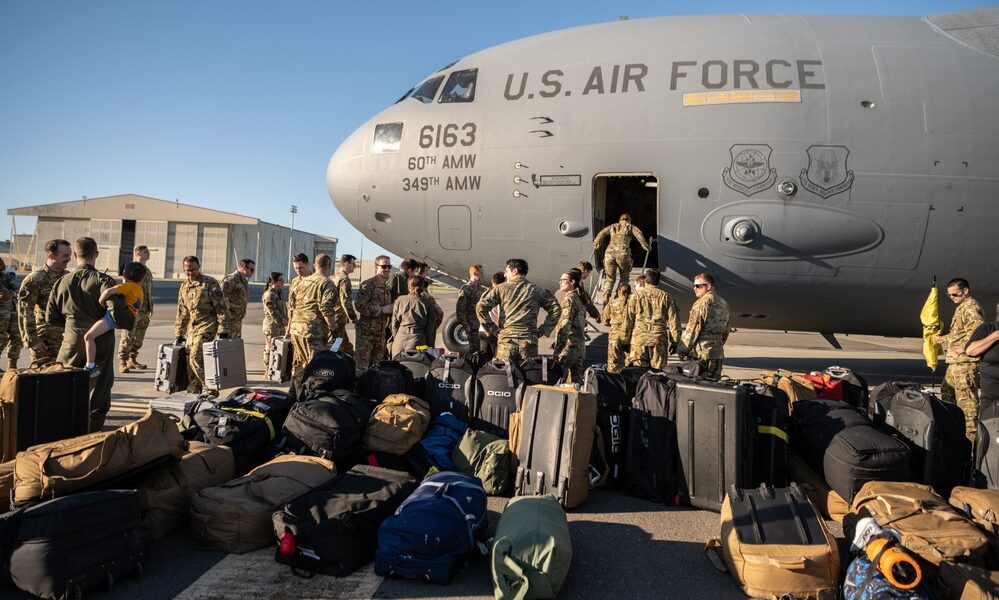
My first impression of Travis? The dry heat hitting you as you step off the commercial flight at Sacramento, knowing you’ve still got an hour’s drive south. California, but not the California from the movies. This is ranch country that happens to host one of the busiest mobility bases in the world.
Then you see the runway, and it clicks. Those big tails in the distance belong to C-17s, C-5s, and KC-10s lined up like they’re waiting to go somewhere. Because they usually are.
Pacific Gateway Isn’t Just Marketing
Pull up a globe and trace a line from California to Japan. That’s roughly 5,100 miles of open ocean. Now draw another line to Guam—closer to 6,000 miles. These distances shape everything about what Travis does.
When tensions rise in the Indo-Pacific, when natural disasters strike Pacific islands, when exercises bring American forces to work with Asian allies—Travis aircraft carry the load. Sometimes literally.
What Twenty C-17s Actually Do
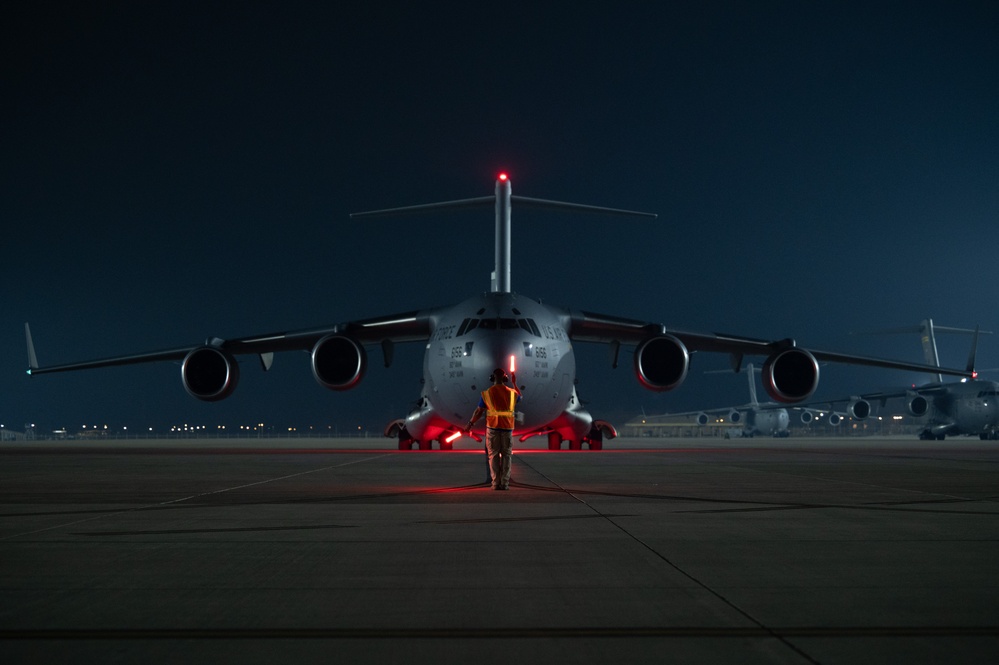
The 21st and 22nd Airlift Squadrons run the active duty C-17 operation under the 60th Air Mobility Wing. Reserve units from the 349th Air Mobility Wing fly alongside them. On any given day, you might find Travis Globemasters scattered across the Pacific Rim.
Channel missions run like clockwork to bases in Japan and Korea. Then there’s the stuff that doesn’t make schedules—humanitarian responses, exercise support, the kind of contingency work that makes you glad you packed light because you’re not coming home when you planned.
Crews here typically spend 100-140 days away from home annually. Trans-Pacific legs mean multi-day missions are standard. You learn to sleep in crew rest facilities from Hawaii to Japan.
Three Aircraft Types Under One Roof
Most C-17 bases just have C-17s. Travis operates Globemasters alongside C-5M Super Galaxies and KC-10 Extenders. That changes the culture in interesting ways.
You end up learning from crews on other platforms. The tanker folks understand aerial refueling operations. C-5 loadmasters know outsize cargo challenges you’ll never see in a C-17. The cross-pollination happens naturally in shared facilities and flight line conversations.
Let’s Talk About Money
California costs more than almost anywhere the Air Force sends people. That’s not opinion—it’s mathematical fact. Housing in Fairfield and Vacaville runs higher than most military areas. State income tax takes a cut. Even groceries seem to cost more.
The BAH helps offset things but doesn’t eliminate the gap. Single airmen manage fine. Families with one military income feel the squeeze. I’ve known crews who commuted from cheaper areas like Dixon or even farther out.
Worth it? Depends what you value.
The Other Side of That Equation
San Francisco sits 45 minutes southwest with everything that implies—world-class food, entertainment, culture. Napa and Sonoma wine country sprawls across the hills an hour north. Lake Tahoe works for summer or winter trips.
Weather-wise, you’re looking at maybe 300 sunny days annually. Winters barely qualify as winter by most standards. Summer gets hot in the valley, but mornings and evenings stay pleasant.
If you’re the type who wants to maximize off-duty time, few Air Force locations beat what’s accessible from Travis. That might balance the budget picture. Or not—your call.
David Grant Medical Center
This deserves mention because it matters to families: Travis hosts the largest Air Force hospital on the West Coast. Comprehensive care without constant referrals off-base. Flight medicine that understands aircrew needs. Dental, mental health, pediatrics—all there.
That infrastructure isn’t typical for Air Force bases. It’s a genuine quality-of-life advantage.
Career Realities
Travis offers standard C-17 progression—copilot to aircraft commander, instructor pilot, flight examiner. What’s different is the cross-qualification potential. Want to fly tankers eventually? They’re right across the ramp.
Loadmasters find similar paths. Instructor certification comes with time and performance. The aeromedical mission exists for those interested. Senior enlisted positions handle flight supervision and squadron management.
The Pacific mission adds experiences you won’t get elsewhere. Flying into small island runways. Working with allied nations from Australia to Japan. Dealing with distances that test crew endurance.
Assignment Prospects
First-assignment aviators can draw Travis, though California slots stay competitive. Strong training performance matters. So does actually putting it on your preference list—some folks assume they can’t afford it and don’t bother trying.
Reserve opportunities exist through the 349th Wing. Different lifestyle, same flying.
The Bottom Line
Travis isn’t for everyone. The costs are real, and pretending otherwise would be dishonest. The Pacific mission means extended time away that some families handle better than others.
But for those who want to fly the biggest ocean on Earth, who value California living, who appreciate the multi-aircraft environment—this is the place. The sunsets over the Coast Range on your way to work aren’t bad either.

Subscribe for Updates
Get the latest articles delivered to your inbox.
We respect your privacy. Unsubscribe anytime.