Royal Air Force C-17 Operations and RAF Globemaster Guide
Walk into No. 99 Squadron at RAF Brize Norton, and you’ll find yourself surrounded by the quiet confidence of a unit that’s been doing the job for over two decades. Eight C-17A Globemasters sit on the flight line, and each one has stories written in flight hours and mission logs from Afghanistan to Kabul to Ukraine.
I’ve talked to crews who flew the evacuation from Kabul in August 2021. They don’t call it Operation PITTING when they’re swapping stories in the crew room—they just call it “Kabul.” And when they do, the room gets quieter. That mission defined what these aircraft and their crews can accomplish when everything’s on the line.
How the RAF Got Their C-17s
Britain’s path to the Globemaster started with a lease agreement back in 2000. Pretty unconventional for military procurement, but it made sense at the time. Four aircraft arrived in May 2001, and crews got to work learning the jet while officials figured out whether to buy them outright.
The answer came fast. By 2004, the Ministry of Defence committed to purchasing the leased airframes and adding a fifth. Then a sixth in 2007. Seventh in 2008. Eighth in 2010. Each decision came as the aircraft proved themselves in Afghanistan and elsewhere.
That final aircraft arrived in February 2012, three years before Boeing would close the production line forever. Lucky timing—or maybe the RAF just knew what they had.
The Squadron with the Puma Badge
No. 99 Squadron traces its lineage back to 1917, though today’s mission couldn’t be more different from those early days flying bombers. The unit reformed specifically for C-17 operations in 2001, and the “Fireballs” have built a reputation since then.
About 300 people make up the squadron today—pilots, loadmasters, engineers, and the various support staff who keep operations running. They’re part of No. 2 Group under Air Mobility Force, which means they work alongside the A400M Atlas and Voyager tanker fleets also based at Brize Norton.
What They Do Day to Day
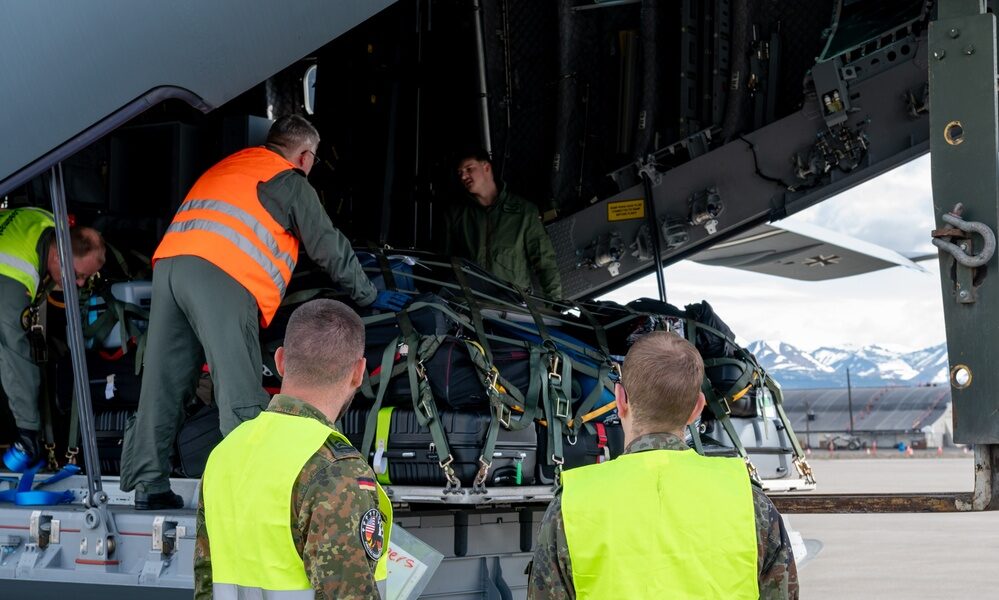
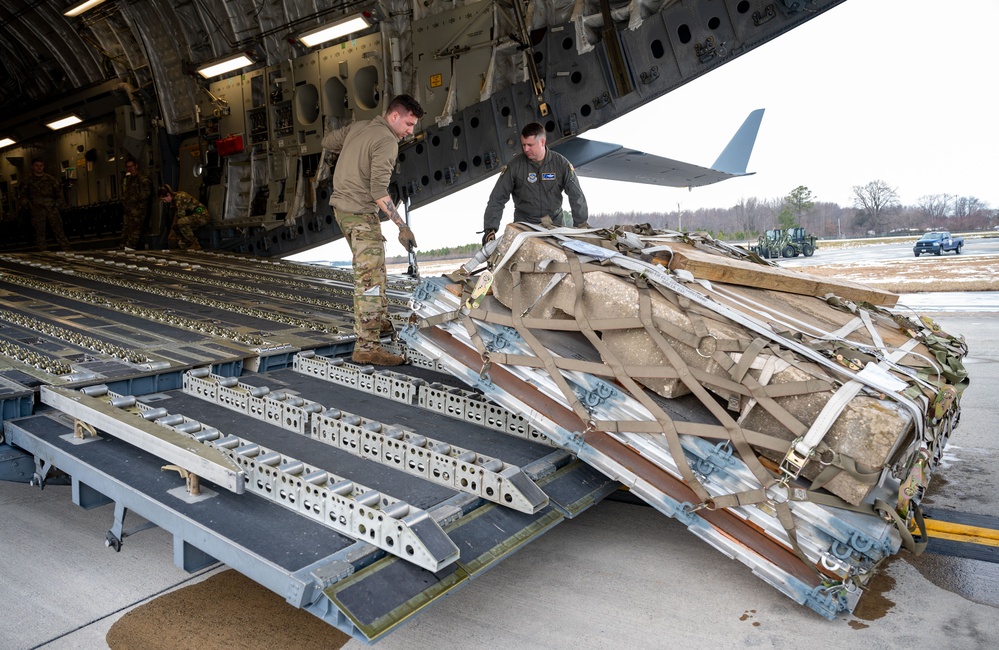
Strategic airlift sounds abstract until you see it happening. Crews move everything from armored vehicles to medical supplies to VIPs. They run scheduled routes to support deployed forces and stand ready for the calls that come without warning.
The aeromedical mission deserves special mention. RAF C-17s operate with Critical Care Air Support Teams—flying intensive care units, essentially. During Afghanistan, CCAST brought home hundreds of seriously wounded troops who wouldn’t have survived without care during the flight.
One doctor I spoke with described treating a casualty for eight hours straight while crossing the Atlantic. “The aircraft becomes a hospital,” he said. “And the crews fly smooth to keep us working.”
Kabul, August 2021
When the Taliban reached Kabul’s gates, RAF C-17s were among the first aircraft into Hamid Karzai International Airport. What followed tested every crew who flew those missions.
In 17 days, RAF aircraft evacuated over 15,000 people. One Globemaster carried 439 passengers on a single flight—nearly three times the designed capacity. Crews flew maximum duty periods day after day.
There’s a story about one takeoff run where a C-17 loaded with evacuees nearly hit vehicles that had wandered onto the runway. The pilots couldn’t abort—they’d have hit the obstacles. So they got airborne early, clearing the vehicles by maybe fifteen feet. The airport had lost power. No runway lights.
Those crews earned awards. More importantly, they got people out who wouldn’t have made it otherwise.
Brize Norton
The RAF’s mobility hub sits in Oxfordshire, about an hour west of London. Beyond the C-17s, you’ll find A400M transports and Voyager tankers—Britain’s air mobility fleet concentrated in one location.
The base has its own terminal for military passengers, maintenance facilities for the fleet, and the headquarters elements that coordinate movements across the globe. It’s busy in ways that civilian airports would recognize, just with different cargo and passengers.
Training the Crews
RAF pilots bound for the C-17 train at Altus Air Force Base in Oklahoma, same as American crews. They go through the Formal Training Unit, learn the aircraft, then return home for operational conversion at Brize Norton.
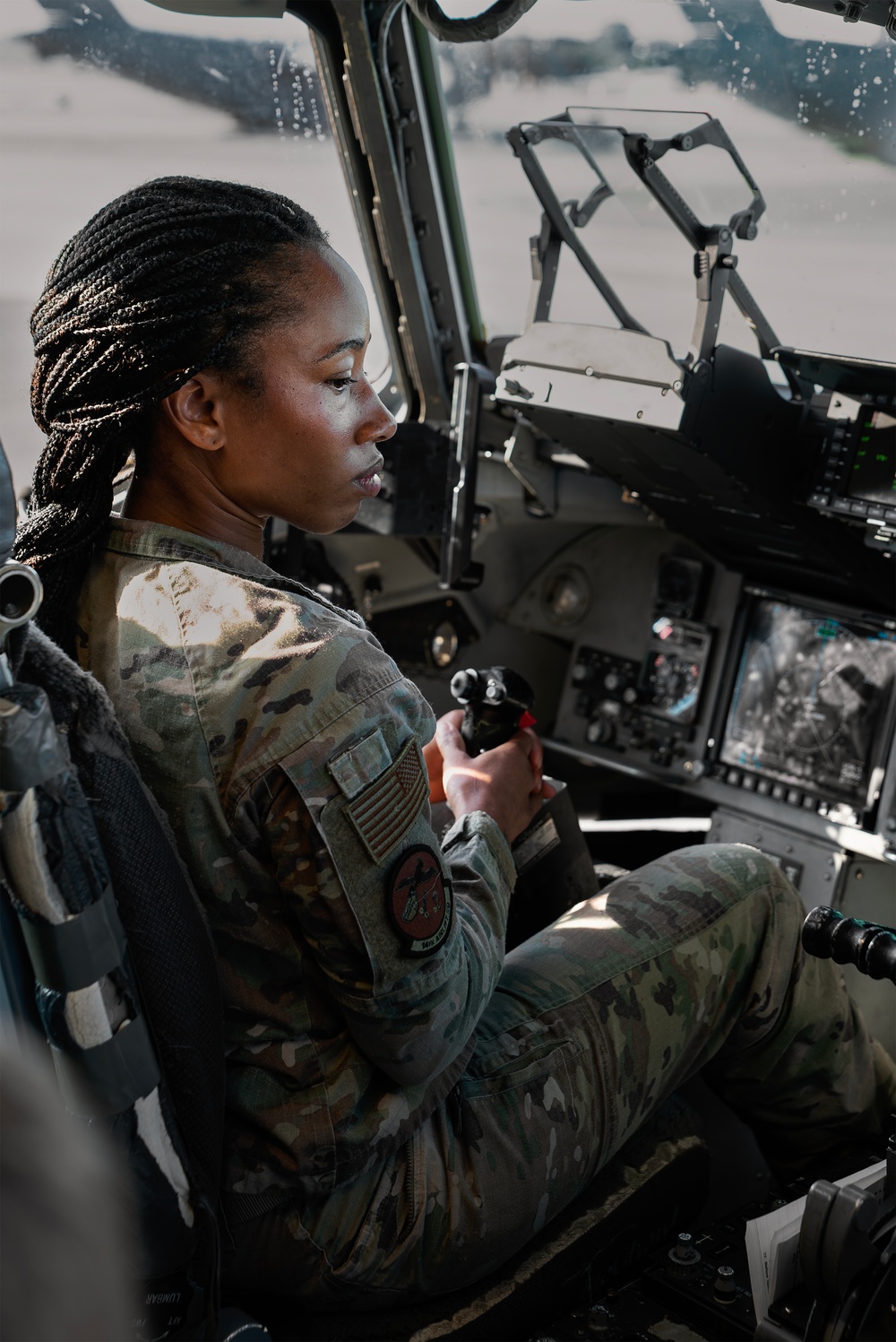
Loadmasters follow a similar path—basic aircrew training in the UK, then off to Oklahoma for C-17 specific schooling. The standardization means RAF and USAF crews can work together seamlessly, which happens more often than you might think during combined operations.
Working with NATO
The eight RAF Globemasters punch above their weight in Alliance terms. They provide strategic lift that European partners rely on for operations from the Baltic to Africa.
Britain participates in the Strategic Airlift International Solution, sharing capabilities with other NATO members. When exercises run, you’ll often find RAF C-17s working alongside American, Australian, and other allied aircraft.
Running Both Types
Operating C-17s and A400Ms together gives the RAF options. The Globemaster handles the heavy strategic missions—outsize cargo, long distances, maximum payload. The Atlas fills the tactical niche, getting into shorter fields and conducting air-to-air refueling.
Some missions use both types. An A400M might deliver personnel and equipment to a forward location, while C-17s move the heavier stuff from strategic staging bases. It’s flexibility that single-type operators don’t have.
What Comes Next
The RAF C-17 fleet will serve into the 2040s at least. No production restart is coming—the line closed in 2015—so these eight aircraft are what Britain has.
Modernization keeps them current. Service life extension maintains the airframes. But eventually, the question of what comes after will need answers. For now, though, the Globemasters keep flying.
The crews who operate them will tell you the jet earns its reputation daily. From routine cargo runs to the chaos of Kabul, the C-17 has proven itself as central to British air power as the Spitfire was in a different era. Different mission, same importance.

Subscribe for Updates
Get the latest articles delivered to your inbox.
We respect your privacy. Unsubscribe anytime.