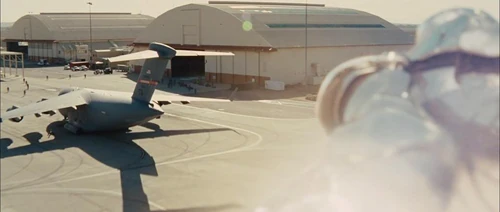
C-17 Avionics at 500 Feet: Glass Cockpit in Tactical Ops

When the C-17 Globemaster III entered service in 1995, it brought a revolutionary cockpit design to military airlift. Gone were the dedicated flight engineer stations and steam gauge panels of previous transports. In their place, Boeing installed an advanced glass cockpit that reduced crew requirements from five to three while dramatically improving situational awareness. Today, the C-17’s avionics suite remains one of the most sophisticated in military aviation, enabling crews to fly demanding tactical missions that would overwhelm older aircraft.

Glass Cockpit: Four Screens That Changed Everything

The C-17 cockpit features four large multifunction displays (MFDs) that present flight, navigation, and systems information in intuitive formats. Each pilot has two displays, and the information shown on each screen can be configured based on mission phase and crew preference.

Common display configurations include:

  • Primary Flight Display (PFD) showing attitude, airspeed, altitude, heading, and vertical speed
  • Navigation Display (ND) presenting map, waypoints, terrain, and weather information
  • Systems Display monitoring engines, hydraulics, fuel, and electrical systems
  • Checklist Display presenting electronic checklists with completion tracking

The displays use active-matrix LCD technology with high brightness for daylight readability and NVG (Night Vision Goggle) compatibility for tactical operations. Pilots can reconfigure displays instantly, moving information between screens or calling up additional data as needed.

Head-Up Displays: Eyes Outside, Information Inside

Both pilot positions feature Head-Up Displays (HUDs) that project critical flight information onto transparent combiners at eye level. The HUD symbology includes:

  • Flight path vector showing where the aircraft is actually going
  • Pitch and bank scales for attitude reference
  • Airspeed and altitude tapes
  • Heading information
  • Approach guidance including ILS, GPS, and tactical approaches
  • Airdrop cues for precision cargo delivery

The HUD is particularly valuable during tactical approaches to austere airfields. Pilots can fly a steep, visual approach while monitoring precise airspeed and glide path information without looking down at the instrument panel. During airdrops, the HUD displays countdown timers and release cues that enable container delivery within meters of the intended impact point.

Flight Management System: The Mission’s Digital Brain

The C-17’s dual Flight Management Computers (FMCs) handle navigation, performance calculations, and flight plan management. Pilots enter their route, including waypoints, altitudes, and airspeeds, and the FMC computes fuel requirements, time en route, and optimal climb and descent profiles.

Key FMC capabilities include:

  • Required Navigation Performance (RNP) approaches to airports without ground-based navaids
  • Tactical approaches with customizable descent angles and offset patterns
  • Airdrop computations calculating release points based on wind, altitude, and cargo type
  • Performance calculations for takeoff, landing, and engine-out scenarios
  • Fuel monitoring with range predictions and alternate airport planning

The FMC interfaces with the autopilot and autothrottles, enabling highly automated flight when appropriate. However, the system is designed to support crew decision-making rather than replace it—pilots can override any automated function instantly.

Navigation Systems: Finding the Way Anywhere

The C-17 carries redundant navigation systems to ensure mission completion regardless of conditions:

  • GPS with military-grade receivers accessing the precise positioning service
  • Inertial Navigation System (INS) providing autonomous navigation without external signals
  • VOR/DME/TACAN for conventional navaid-based navigation
  • ILS receivers for precision approaches
  • ADF for non-directional beacon approaches

The navigation computers continuously compare data from all sources, alerting crews to any discrepancies. If GPS is jammed or unavailable, the INS maintains accurate positioning for extended periods, and crews can update it using ground-based navaids or visual fixes.

Terrain Awareness and Warning System

The Enhanced Ground Proximity Warning System (EGPWS) combines GPS position with a worldwide terrain database to provide advance warning of terrain conflicts. The system displays terrain on the navigation display using intuitive color coding:

  • Green terrain well below the aircraft
  • Yellow terrain approaching aircraft altitude
  • Red terrain at or above aircraft altitude

For low-level tactical flight, the system can be configured to provide warnings at reduced margins, allowing crews to operate in mountainous terrain while maintaining safety. Audio callouts (“TERRAIN, TERRAIN” and “PULL UP, PULL UP”) provide unmistakable alerts if the aircraft approaches dangerous proximity to the ground.

Communication Systems

The C-17’s communication suite supports operations across the full spectrum of missions:

  • VHF/UHF radios for air traffic control and tactical communications
  • HF radio for long-range communication beyond line of sight
  • SATCOM for secure worldwide voice and data connectivity
  • ACARS/datalink for automated position reporting and messaging
  • Intercom connecting all crew positions and providing troop commander capability

Secure voice capability allows classified communications, and the datalink systems enable real-time updates to mission planning, weather information, and coordination with ground forces.

Defensive Systems

While not an offensive platform, the C-17 carries systems to protect itself and its cargo:

  • Radar Warning Receiver (RWR) detecting and identifying threat radars
  • Missile Warning System providing visual and audio alerts of incoming missiles
  • Countermeasures dispensers deploying chaff and flares to defeat radar and infrared threats
  • Large Aircraft Infrared Countermeasures (LAIRCM) providing active protection against heat-seeking missiles

The defensive suite operates largely automatically, though pilots can manually dispense countermeasures if desired. Displays show threat locations and system status, keeping crews informed of the tactical situation.

Mission Computer and Data Integration

The C-17’s mission computers integrate data from all aircraft systems, providing a comprehensive picture on demand. Pilots can call up detailed system schematics, review maintenance status, and troubleshoot problems in flight.

The computers also record flight data for post-mission analysis and maintenance trending. This data helps identify developing problems before they cause mission aborts and supports training reviews of crew performance.

Cockpit Layout and Crew Coordination

The C-17 cockpit places the two pilots side-by-side with excellent visibility and easy communication. The loadmaster station in the cargo compartment connects via intercom and dedicated displays showing cargo door status, ramp position, and airdrop system readiness.

This three-person crew concept—down from five on the C-141—was controversial when introduced but has proven highly effective. The reduced crew means more people available for the fleet, and the advanced avionics ensure no capability was lost in the transition.

Night Vision Compatibility

All cockpit lighting and displays are fully compatible with AN/AVS-9 night vision goggles. Crews can fly blacked-out tactical approaches using NVGs for outside reference while the instrument panel remains clearly visible. This capability is essential for covert operations into hostile territory.

Upgrades and Modernization

The C-17 avionics suite continues to evolve through block upgrades:

  • Block 17 added ADS-B Out compliance for civilian airspace operations
  • Block 19 enhanced navigation capabilities and updated mission computers
  • Block 21 improved communication systems and datalink interoperability

Future upgrades will likely include enhanced synthetic vision, improved datalink capabilities, and integration with joint all-domain command and control systems. The modular avionics architecture allows these improvements without wholesale cockpit redesigns.

Conclusion

The C-17’s glass cockpit and integrated avionics suite transform what could be an overwhelming mission environment into a manageable, efficient operation. From the four multifunction displays to the head-up displays, from the flight management system to the defensive suite, every element is designed to keep the crew informed and in control. This technology is what enables a three-person crew to fly demanding tactical missions that earlier generations of aircraft required five crew members to accomplish—and to do it safely, effectively, anywhere in the world.

Jason Michael

Jason Michael

Author

Jason Michael is a Pacific Northwest gardening enthusiast and longtime homeowner in the Seattle area. He enjoys growing vegetables, cultivating native plants, and experimenting with sustainable gardening practices suited to the region's unique climate.

✈️ Get the latest C-17 news & insider content

Shop C-17 Gear

Subscribe for Updates

Get the latest articles delivered to your inbox.