C-17 Cargo Capabilities
The C-17 Globemaster III was designed to carry what others cannot. With a maximum payload of 170,900 pounds and a cargo compartment engineered for military equipment, the C-17 moves everything from main battle tanks to humanitarian relief supplies. Understanding the aircraft’s cargo capabilities reveals why it has become indispensable to military operations worldwide.
Cargo Compartment Dimensions
The C-17’s cargo compartment provides generous space for military equipment:
- Length: 88 feet (68 feet with ramp extended)
- Width: 18 feet floor width (expandable to 20 feet with seats removed)
- Height: 12 feet 4 inches
- Total volume: 20,900 cubic feet
These dimensions accommodate the largest Army vehicles and equipment that would require disassembly to fit in other transports.
What Can the C-17 Carry?
The C-17’s cargo capability spans the full range of military equipment:
Heavy Equipment
- M1 Abrams Tank: One tank (68 tons) is the standard heavy load
- M2 Bradley Fighting Vehicle: Up to 3 vehicles
- Stryker Armored Vehicle: Up to 3 vehicles
- M109 Paladin: Self-propelled artillery system
- AH-64 Apache Helicopter: Partially disassembled with rotor blades removed
Medium Equipment
- Humvees: Up to 10 vehicles
- 5-ton Trucks: Multiple vehicles depending on configuration
- Generators and construction equipment: Engineering capabilities for forward bases
- Medical equipment: Field hospitals and surgical suites
Palletized Cargo
- 463L pallets: Up to 18 standard military cargo pallets
- Maximum pallet weight: 10,000 pounds per pallet (varying by position)
- Rolling stock: Cargo can be loaded and positioned using built-in rollers
The Cargo Floor: Engineering Marvel
The C-17’s cargo floor was specifically designed for military use:
- Tie-down rings: 36 rows of tie-down points rated at 25,000 pounds each
- Roller system: Ball-bearing rollers for pallet movement, retractable for wheeled cargo
- Floor loading: Rated at 740 pounds per square foot (compared to 300 psi for C-5)
- Ramp capacity: The ramp supports concentrated loads during vehicle loading
This floor design allows the C-17 to carry tracked vehicles that would damage other aircraft floors.
Airdrop Cargo Considerations
Equipment destined for airdrop requires special preparation:
- Platform rigging: Cargo secured to extraction platforms
- Parachute attachment: Multiple parachutes for heavy loads
- Weight limits: Maximum 60,000-pound platform load for extraction
- CDS bundles: Up to 40 containers at 2,200 pounds each
Weight and Balance: The Critical Calculation
Every cargo load requires precise weight and balance calculations:
- Center of gravity limits: Cargo must be positioned to maintain CG within limits
- Maximum takeoff weight: 585,000 pounds
- Maximum landing weight: 585,000 pounds (no fuel burn-off required)
- Maximum zero-fuel weight: 430,000 pounds
- Floor loading charts: Precise limits for each cargo bay station
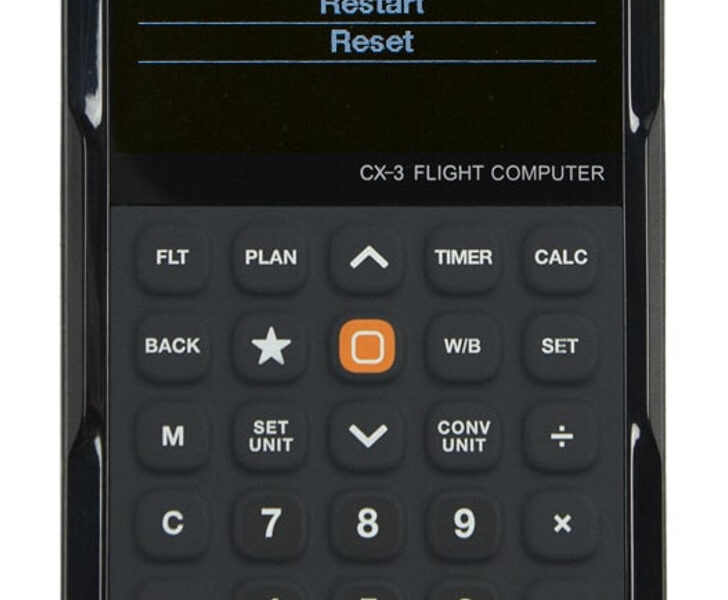
Loadmasters use specialized computers and charts to plan each load, ensuring the aircraft remains within all limits throughout the flight.
Passenger and Cargo Combinations
The C-17 can carry passengers and cargo simultaneously:
- Troop seats: 54 permanent side-facing seats
- Palletized seats: 48 additional center-line seats on pallets
- Maximum passengers: 102 troops (with cargo) or 134 (passenger configuration)
- Aeromedical configuration: Up to 36 litters plus medical attendants
Cargo Loading Equipment
Getting cargo into the C-17 requires specialized equipment:
- 60K loader: The standard military cargo loader (60,000-pound capacity)
- 25K loader: Smaller loader for forward locations
- Ramp operations: Direct drive-on for vehicles
- Winch: 44,000-pound capacity winch for non-powered loads
- Forklifts: For loading individual pallets
Dangerous and Hazardous Cargo
The C-17 regularly transports hazardous materials:
- Ammunition: Small arms to large ordnance (with quantity limits)
- Fuel: JP-8 in bladders or containers
- Explosives: With proper segregation and documentation
- Chemical agents: Under strict protocols
- Radioactive materials: With appropriate shielding and monitoring
Hazardous cargo requires specialized training for loadmasters and specific aircraft preparation.
Securing the Load
Cargo restraint is critical to flight safety:
- 25,000-pound chains: Primary restraint for heavy equipment
- 10,000-pound straps: Secondary restraint and lighter cargo
- Shoring and bracing: Preventing cargo shift
- Palletized cargo nets: Covering and securing loose items
- Restraint calculations: G-load requirements for all cargo
Loadmasters ensure every item is restrained against the forces of flight—including emergency maneuvers.
Unique Cargo Challenges
The C-17 has transported unusual cargo requiring creative solutions:
- Space shuttle components: Oversized aerospace hardware
- Aircraft engines: Including engines for other C-17s
- Wildlife: Zoo animals for international programs
- Artwork: Presidential portraits and museum pieces
- Vehicles of state: Presidential motorcade vehicles
Fuel as Cargo Trade-Off
Every pound of cargo reduces fuel capacity and range:
- Maximum fuel: 181,054 pounds (26,880 gallons)
- With full cargo: Fuel reduced to maintain takeoff weight limits
- Range trade-off: Heavier cargo = shorter range = more fuel stops
- Aerial refueling: Extends range regardless of cargo weight
Mission planners balance cargo requirements against range to determine the optimal configuration.
Rapid Loading Techniques
Combat operations require quick turnaround:
- Engine running offload: Unloading while engines run
- Combat taxi: Moving aircraft during cargo operations
- Simultaneous operations: Loading and unloading through different doors
- Pre-positioned loads: Cargo staged for immediate loading
Well-trained crews can offload and reload a C-17 in under 30 minutes.
Cargo Documentation
Every item requires proper documentation:
- Shipper’s declaration: What’s being shipped and hazards
- Weight certificates: Verified weights for all items
- Special handling: Requirements for unusual cargo
- Customs documentation: For international movements
Conclusion
The C-17’s cargo capability is unmatched among airlifters of its size. The ability to carry a main battle tank directly to a forward airstrip, to airdrop supplies where no runway exists, or to evacuate hundreds of wounded warriors makes the Globemaster III the backbone of American airlift. From the precisely engineered cargo floor to the sophisticated restraint systems, every aspect of the aircraft was designed to move military equipment where it’s needed—and that capability has proven essential in every major operation since the aircraft entered service.
Subscribe for Updates
Get the latest articles delivered to your inbox.
We respect your privacy. Unsubscribe anytime.