How 4 Crew Members Fly a 585,000-Pound Aircraft
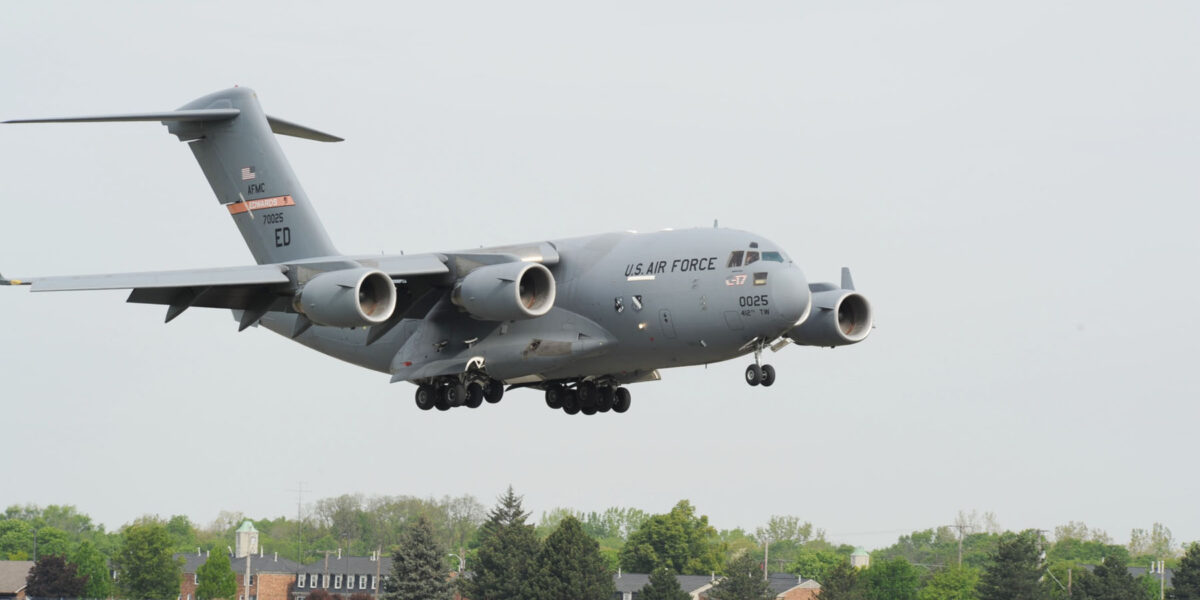
The C-17 weighs 585,000 pounds fully loaded. Four people fly it. That math surprises a lot of folks—older aircraft like the C-141 needed bigger crews, and the C-5 still requires a flight engineer. So how does the Globemaster pull this off?
Short answer: fly-by-wire and extremely smart automation. Long answer: keep reading.
There’s No Mechanical Connection to Anything
When I move the stick in a C-17, I’m not physically moving the control surfaces. I’m sending an electrical signal to four computers that decide what the ailerons, elevators, and rudder should actually do.
This sounds sketchy until you realize the system is designed to be smarter than the pilot. Try to pull too hard and overstress the airframe? The computers won’t let you. Accidentally input something that would stall the wing? Rejected. The envelope protection is aggressive enough that it’s nearly impossible to hurt the airplane through normal control inputs.
Coming from conventional aircraft, this takes adjustment. The controls feel different—there’s no feedback through the stick telling you how hard the surfaces are working. But after a few flights, you stop missing it. The airplane does what you ask, smoothly, every time.
Four Computers That Don’t Trust Each Other
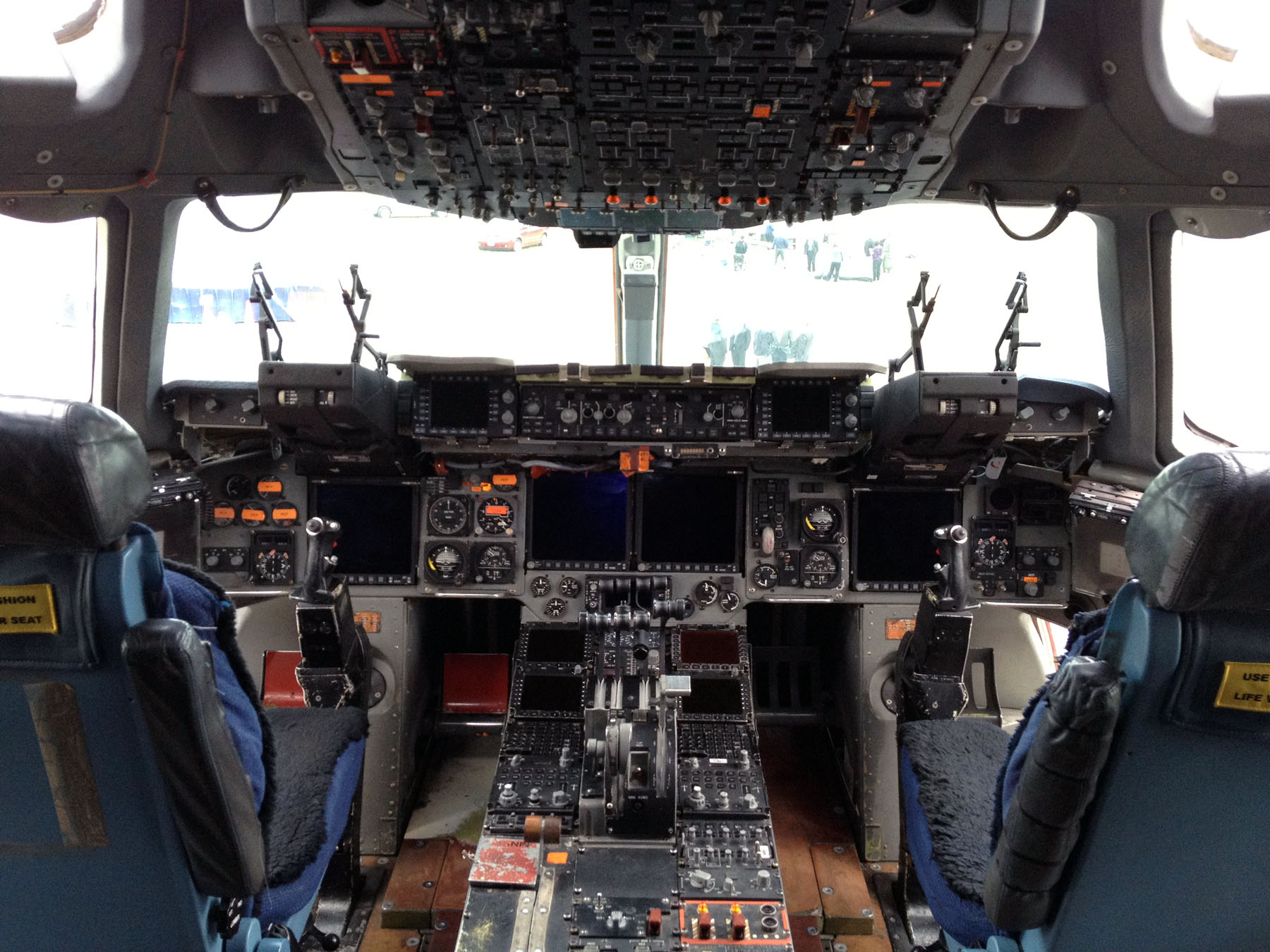
The C-17 has four Flight Control Computers, and they’re constantly checking each other’s work. Thousands of times per second, they compare outputs. If one computer produces a weird command, the other three outvote it instantly.
They’re physically separated throughout the aircraft, run different software, and draw power from different sources. The idea is that no single failure—or even multiple failures—can take down the whole system. I’ve heard of jets flying with three computers failed. Shouldn’t happen, but the redundancy works.
The Blown Flaps Are Witchcraft
Okay, not literally. But the externally blown flap system is the closest thing to magic I’ve seen on an airplane.
The four engines are positioned so their exhaust blows directly over the flaps. Extend the flaps to full, run the engines at approach power, and suddenly you’ve got a 585,000-pound aircraft flying stable at speeds that would have a normal transport falling out of the sky.
This is how the C-17 lands on short runways. The blown flaps generate so much extra lift that we can come down steep and touch down slow. It feels wrong the first few times—you’re descending at angles that seem way too aggressive for something this big. But the aircraft handles it fine.
Everything Compensates for Everything Else
Lower the gear? The computers automatically adjust pitch to maintain your flight path. Extend flaps? Same thing. Lose an engine? The system immediately applies rudder to counteract the asymmetric thrust.
In older aircraft, configuration changes meant constant trimming and attitude adjustments. The C-17 handles most of that automatically. You still have to fly the airplane, but it’s not fighting you during the busy parts of the flight.
Direct Lift Control
This one’s hard to explain without experiencing it. Normally, if you want to go up or down, you change pitch. Nose up, you climb. Nose down, you descend.
Direct lift control lets the C-17 change vertical flight path without changing pitch. The spoilers and throttles work together to add or subtract lift immediately. The nose stays where it is.
Why does this matter? Precision airdrops. When the loadmaster needs the cargo to release at exactly the right moment, any pitch change throws off the timing. With DLC, the pilots can fine-tune the flight path while keeping the aircraft perfectly stable. The cargo goes out exactly where it needs to go.
Three Crew Positions, Four People
Pilot and copilot up front, obviously. Both have sidestick controllers instead of yokes—better visibility, more intuitive inputs. Either pilot can fly the aircraft; the computers sum the inputs.
Behind us is the loadmaster station. The loadmaster isn’t flying, but they’re monitoring everything happening in the back. During airdrops, they’re calling timing and watching the cargo. During emergencies, they might be the one dealing with the problem while we keep the jet flying.
The fourth person varies by mission. Could be an instructor, an evaluator, a mission specialist, or an extra loadmaster for complex operations.
Why It Works
The older approach to aircraft design assumed humans would manage everything, so you needed more humans. The C-17 assumes the computers will handle routine tasks, freeing the crew to focus on the mission.
Four people can fly this airplane because most of what used to require human attention is now automated. We’re not babysitting gauges or constantly trimming. We’re directing the aircraft where to go and what to do, and the systems execute.
Is it trust in automation? Partly. But mostly it’s trust in really good engineering. The C-17 was designed from the start to be a two-pilot aircraft, and every system was built around that assumption. It shows.

Subscribe for Updates
Get the latest articles delivered to your inbox.
We respect your privacy. Unsubscribe anytime.