3,000 PSI: Inside the C-17 Hydraulic System

At 3,000 PSI, the C-17’s hydraulic system operates at pressures that would burst most industrial equipment. This extraordinary pressure is what gives a 585,000-pound aircraft the responsive, precise control feel of something half its size. After years flying the C-17, I can tell you that understanding the hydraulic system isn’t just academic—it’s essential for handling the abnormal situations that every pilot eventually faces.

Why 3,000 PSI?

The C-17 uses 3,000 PSI hydraulic pressure, significantly higher than the 1,500-3,000 PSI systems found in older transports. This high pressure allows for smaller, lighter actuators while still delivering the massive forces needed to move the aircraft’s flight control surfaces against aerodynamic loads at high speeds.

Consider the forces involved: at cruise speed, the elevators experience thousands of pounds of aerodynamic force. The hydraulic actuators must overpower these forces instantly when the pilot commands a pitch change. Higher pressure means more force from smaller components—a critical weight savings when every pound matters for payload capacity.

Four Independent Systems

The C-17 features four completely independent hydraulic systems, designated 1, 2, 3, and 4. This isn’t just redundancy for the sake of redundancy—each system is isolated to prevent a single failure from cascading through the aircraft.

System Architecture

Each hydraulic system has its own:

  • Engine-driven pump (one per engine)
  • Reservoir with dedicated fluid supply
  • Pressure and return lines routed through different parts of the airframe
  • Dedicated actuators for flight control surfaces

The routing is deliberately separated so that battle damage, a cargo shift, or a structural failure in one area can’t take out multiple systems simultaneously.

System Distribution

Primary flight controls receive hydraulic power from multiple systems:

  • Ailerons: Systems 1 and 2 (left), Systems 3 and 4 (right)
  • Elevators: All four systems provide power
  • Rudder: Upper section (Systems 1 and 3), Lower section (Systems 2 and 4)
  • Spoilers: Distributed across all four systems

This distribution ensures that losing any single system—or even two systems—still leaves adequate control authority for safe flight.

Engine-Driven Pumps

Each of the four Pratt & Whitney F117-PW-100 engines drives a hydraulic pump mounted on its accessory gearbox. These pumps are the primary source of hydraulic power, producing the 3,000 PSI pressure that runs the entire system.

The pumps are variable-displacement designs, meaning they automatically adjust output based on system demand. When you’re cruising straight and level with minimal control inputs, the pumps produce just enough flow to maintain pressure. Command a rapid control input or deploy the landing gear, and the pumps instantly increase output to meet the demand.

Pump capacity is substantial—each engine-driven pump can supply enough flow to operate its associated system at full demand. Even with only one engine running on each side, the aircraft maintains full hydraulic capability.

Backup Power: Electric Pumps and the RAT

Electric Motor Pumps

Each hydraulic system includes an electric motor-driven pump (EMP) as backup. If an engine-driven pump fails or an engine is shut down, the EMP can maintain system pressure. These pumps draw significant electrical power, which is why the C-17’s robust electrical system is designed to handle multiple EMPs running simultaneously.

Ram Air Turbine

The ultimate backup is the Ram Air Turbine (RAT), a small propeller that deploys into the airstream. If the aircraft loses all engine-driven generators, the RAT provides emergency hydraulic power to essential flight controls. It’s a last-resort system, but one that has saved aircraft in extreme emergencies.

The RAT deploys automatically under certain failure conditions or can be manually deployed by the crew. Once extended, it provides enough hydraulic power for basic flight control—not full system capability, but enough to fly the aircraft to a safe landing.

What the Hydraulics Actually Move

Flight Controls

The most critical hydraulic consumers are the flight control actuators. The fly-by-wire system commands these actuators based on pilot inputs, and they respond with the speed and precision that gives the C-17 its responsive handling.

Control surface movement rates are impressive—the system can drive surfaces from stop to stop in seconds, essential for tactical maneuvering and emergency situations.

Landing Gear

The massive main landing gear assemblies—each with six wheels—require substantial hydraulic force to extend and retract. The gear doors, uplocks, and downlocks all operate hydraulically. A complete gear cycle consumes a significant amount of hydraulic fluid flow, which is why gear operations are planned during periods of lower control demand when possible.

Cargo Systems

The C-17’s rear cargo door and ramp operate hydraulically, as do the aerial delivery system components used for airdrops. These systems must operate reliably at altitude, in extreme temperatures, and while the aircraft maneuvers—demanding conditions that the hydraulic system handles routinely.

Brakes and Steering

The multi-disk carbon brakes on all 14 main wheels operate hydraulically, with anti-skid control managed by the digital brake control system. Nosewheel steering, essential for ground operations, also runs on hydraulic power.

Fluid and Filtration

The C-17 uses MIL-PRF-83282 synthetic hydraulic fluid, chosen for its fire resistance and wide operating temperature range. This fluid maintains its properties from extreme cold at high altitude to the heat of operations in desert environments.

Each system includes multiple filtration stages to keep the fluid clean. Contamination is the enemy of hydraulic systems—microscopic particles can score precision-machined actuator components, leading to leaks or failures. The C-17’s filtration system maintains fluid cleanliness to strict aerospace standards.

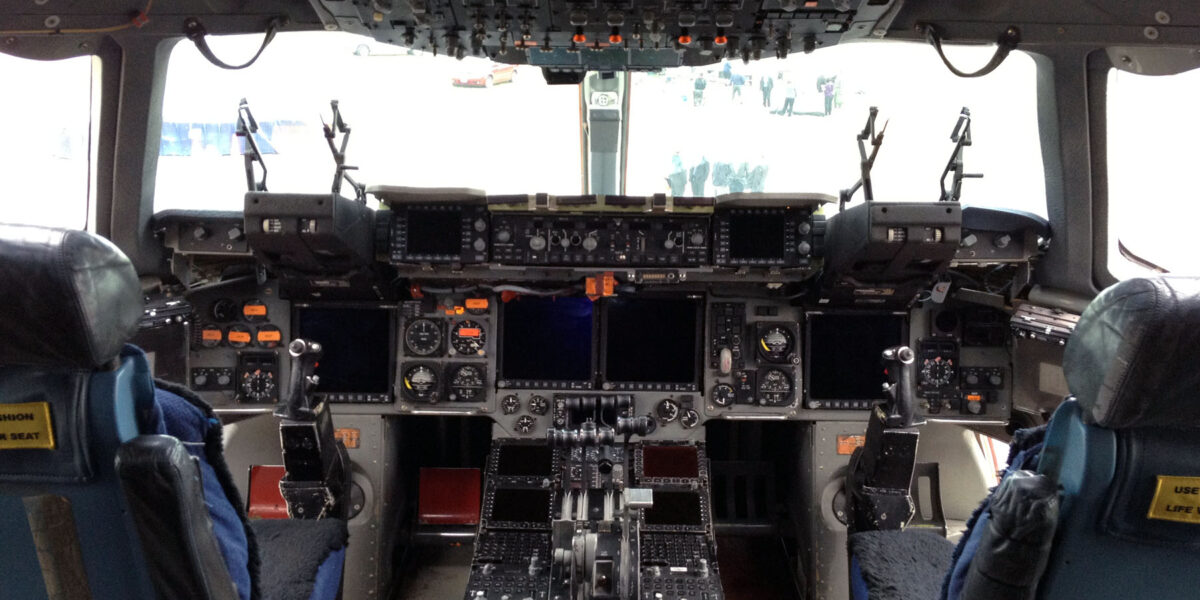
Cockpit Indications and Crew Interface

Pilots monitor hydraulic system health through the Engine Indication and Crew Alerting System (EICAS) displays. Each system shows:

  • System pressure (normal is 2,900-3,100 PSI)
  • Reservoir quantity
  • Pump status (engine-driven and electric)
  • Fluid temperature

Caution and warning messages alert the crew to abnormal conditions. Low pressure, low quantity, or overtemperature conditions generate immediate alerts, giving pilots time to respond before a situation becomes critical.

Failure Scenarios and Crew Response

Hydraulic failures are among the most practiced emergency scenarios in C-17 training. Crews learn to:

  • Identify which system has failed and why
  • Isolate failed systems to prevent fluid loss
  • Activate backup pumps when appropriate
  • Manage the remaining systems to complete the mission or divert safely

The multiple redundancy means most hydraulic failures are handled procedurally rather than as true emergencies. Even complete loss of two systems leaves the aircraft fully controllable. Training focuses on the rare but possible scenarios where multiple systems are compromised.

Why It Matters

The 3,000 PSI hydraulic system is one of the engineering achievements that makes the C-17 capable of its unique mission. Without this high-pressure, highly redundant system, the aircraft couldn’t deliver its combination of strategic range and tactical capability.

For aspiring C-17 pilots, hydraulic systems training is a significant part of the qualification process. Understanding how the system works, how to monitor it, and how to handle failures is essential knowledge. The hydraulics are literally what lets you move the airplane—mastering this system is fundamental to mastering the C-17.

Jason Michael

Jason Michael

Author

Jason Michael is a Pacific Northwest gardening enthusiast and longtime homeowner in the Seattle area. He enjoys growing vegetables, cultivating native plants, and experimenting with sustainable gardening practices suited to the region's unique climate.

✈️ Get the latest C-17 news & insider content

Shop C-17 Gear

Subscribe for Updates

Get the latest articles delivered to your inbox.