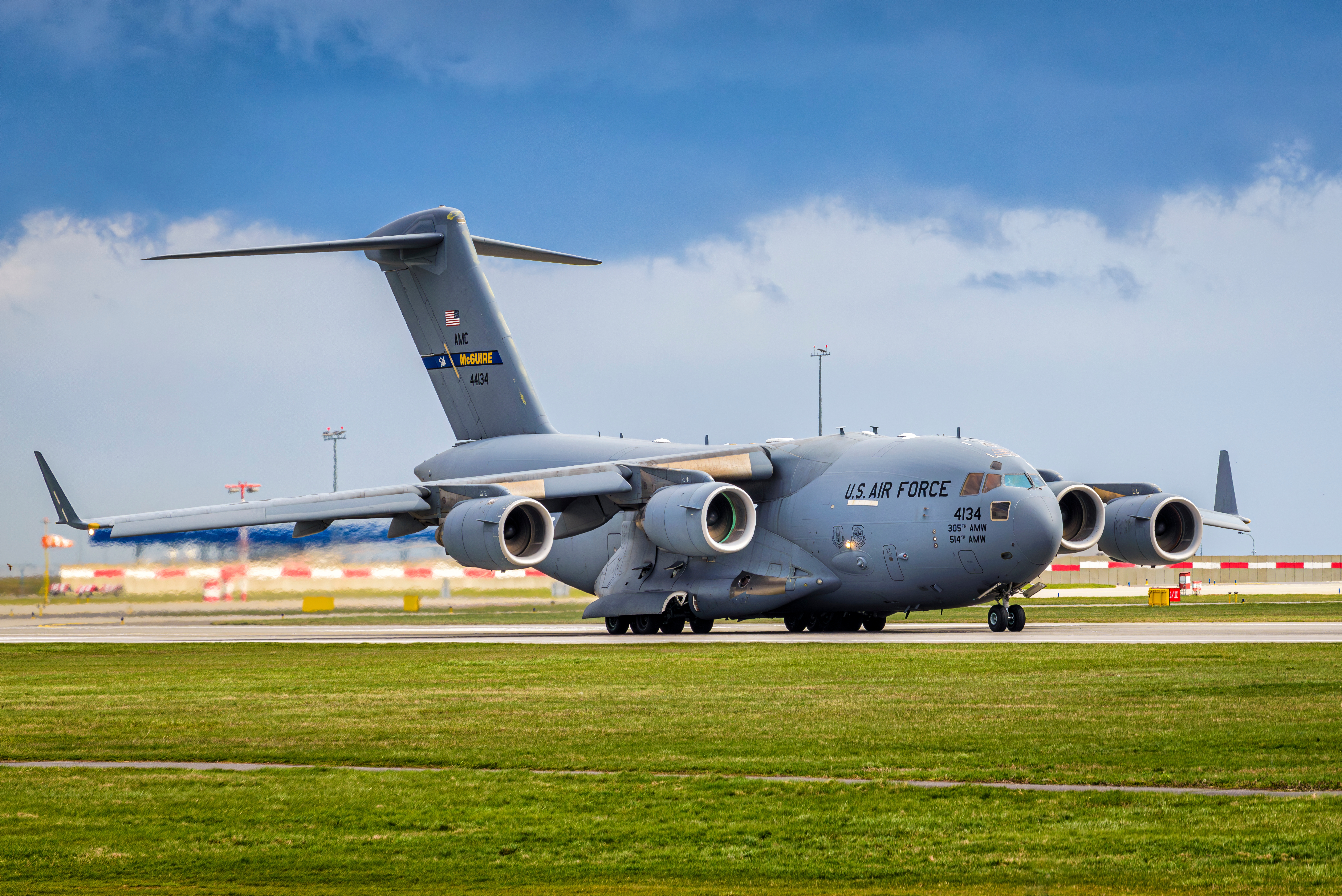
$1.68 Billion Contract: How 8 Countries Keep Their C-17 Fleets Flying

In 2021, the U.S. Air Force and seven partner nations signed a contract worth $1.68 billion to keep their C-17 fleets flying. This isn’t just routine maintenance funding—it’s the infrastructure that sustains the world’s most advanced tactical airlifter. Here’s how eight countries work together to maintain 274 aircraft scattered across the globe.

The Global Fleet

Eight nations operate C-17 Globemaster III aircraft:

  • United States: 222 aircraft (Air Force, Reserve, Guard)
  • United Kingdom: 8 aircraft (RAF 99 Squadron)
  • Australia: 8 aircraft (RAAF 36 Squadron)
  • Canada: 5 aircraft (429 Transport Squadron)
  • Qatar: 8 aircraft (Qatar Emiri Air Force)
  • United Arab Emirates: 8 aircraft
  • India: 11 aircraft (Indian Air Force)
  • Kuwait: 2 aircraft (Kuwait Air Force)

Total: 272+ aircraft, with numbers fluctuating as aircraft are delivered, retired, or attrited.

The Globemaster III Integrated Sustainment Program

Boeing operates the C-17 Globemaster III Integrated Sustainment Program (GISP), a comprehensive support contract that covers:

Contractor Logistics Support

  • Technical support: Engineering analysis and troubleshooting
  • Supply chain management: Parts procurement and distribution
  • Depot maintenance: Heavy repairs and modifications
  • Field service representatives: On-site support at operating locations

Shared Spares Pool

One of GISP’s innovations is a shared spares pool among partner nations. Rather than each country maintaining complete parts inventories, expensive components are pooled:

  • Engines available for short-notice exchange
  • Major components pre-positioned at strategic locations
  • Reduced inventory costs for all participants
  • Faster parts availability when needed

What $1.68 Billion Buys

The 2021 contract covers five years of sustainment services. Major elements include:

Performance-Based Logistics

Rather than traditional contracts that pay for specific activities, GISP uses performance-based logistics (PBL):

  • Boeing is paid based on aircraft availability and mission capability
  • Incentives align contractor motivation with operator needs
  • Focus shifts from counting activities to achieving outcomes

If aircraft aren’t flying, Boeing doesn’t get paid as much. This drives efficiency and responsiveness.

Depot Maintenance

Periodic heavy maintenance events that can’t be done at operational units:

  • Major structural inspections
  • Corrosion treatment and prevention
  • Modification installations
  • Engine overhauls

Boeing performs depot work at multiple locations, including facilities in San Antonio, Texas.

Engineering Support

Continuous engineering analysis addresses:

  • Structural fatigue monitoring
  • Service bulletin development
  • Technical order updates
  • Failure analysis and corrective actions

The Heavy Airlift Wing Model

NATO operates the Strategic Airlift Capability (SAC), based at Pápa Air Base, Hungary. This multinational unit operates three C-17s shared among 12 nations that couldn’t individually justify purchasing and maintaining the aircraft.

Participating Nations

SAC members include: Bulgaria, Estonia, Hungary, Latvia, Lithuania, Netherlands, Norway, Poland, Romania, Slovenia, Sweden, and the United States (in a support role).

Operating Model

  • Nations purchase “flying hours” based on their investment
  • Missions are allocated based on priority and availability
  • Maintenance is provided through the overall C-17 sustainment structure
  • Crews come from participating nations

This innovative arrangement gives smaller nations access to strategic airlift capability they couldn’t otherwise afford.

Field Maintenance

At the unit level, maintenance is performed by military maintainers with contractor support:

Organizational Level

  • Pre-flight and post-flight inspections
  • Routine servicing (fuel, oil, hydraulics)
  • Minor repairs and component changeouts
  • Tire and brake replacement

Intermediate Level

  • More complex troubleshooting
  • Avionics repairs requiring specialized equipment
  • Engine hot-section inspections
  • Phase inspections at specified intervals

Boeing Field Service Representatives

At major operating bases, Boeing employees provide on-site expertise:

  • Technical guidance for complex problems
  • Interface with engineering support
  • Parts procurement assistance
  • Training support for military maintainers

Engine Sustainment

The Pratt & Whitney F117-PW-100 engines represent a significant portion of sustainment costs:

Engine Management

  • Engines rotate between aircraft as maintenance is required
  • Hot-section inspections at specified intervals
  • Complete overhauls at major hour milestones
  • Engine health monitoring predicts maintenance needs

Shared Engine Pool

Partner nations share access to spare engines, reducing the total number each country must maintain. When an aircraft needs an engine replacement, one comes from the pool while the removed engine goes to depot for repair.

Modifications and Upgrades

Sustainment includes keeping the fleet current through modifications:

Communication Systems

Military communication standards evolve continuously. The C-17 fleet receives updates to maintain interoperability with ground forces and other aircraft.

Navigation and Surveillance

Airspace requirements change, particularly for communication, navigation, and surveillance (CNS) equipment. Modifications ensure continued worldwide access.

Defensive Systems

Threat environments evolve, requiring updates to infrared countermeasures, radar warning receivers, and other defensive capabilities.

Challenges in Sustainment

Aging Fleet

The oldest C-17s have been flying for over 30 years. Structural fatigue, component obsolescence, and corrosion require increasing attention as the fleet ages.

Parts Obsolescence

Electronic components become unavailable as technology advances. Sustainment includes developing replacement components when original parts are no longer manufactured.

Knowledge Transfer

As original engineers and technicians retire, capturing their expertise becomes critical for long-term sustainment.

Cost Per Flight Hour

Operating cost is typically expressed as “cost per flight hour” (CPFH):

  • Includes fuel, maintenance, sustainment contract fees
  • Varies by accounting method and what’s included
  • Generally estimated at $20,000-30,000 per flight hour

This sounds expensive, but for an aircraft that can carry 170,000 pounds of cargo anywhere in the world, it represents extraordinary value.

The Partnership Model

The multinational sustainment approach offers lessons for future programs:

  • Shared costs reduce burden on any single nation
  • Pooled resources improve availability for all
  • Common support enables operational interoperability
  • Volume purchases reduce unit costs

Why It Matters

A $1.68 billion sustainment contract sounds like enormous spending—and it is. But consider what it provides: worldwide support for 272 aircraft that form the backbone of Western strategic airlift capability. When disaster strikes or conflict erupts, these aircraft respond because the sustainment infrastructure keeps them ready.

For C-17 operators, the sustainment program is often invisible during normal operations—parts arrive when needed, technical support is available, and aircraft remain mission-capable. That invisibility is the sign of a program working as intended. The complex machinery of multinational logistics and maintenance churns along so that crews can focus on flying the mission.

Jason Michael

Jason Michael

Author

Jason Michael is a Pacific Northwest gardening enthusiast and longtime homeowner in the Seattle area. He enjoys growing vegetables, cultivating native plants, and experimenting with sustainable gardening practices suited to the region's unique climate.

✈️ Get the latest C-17 news & insider content

Shop C-17 Gear

Subscribe for Updates

Get the latest articles delivered to your inbox.