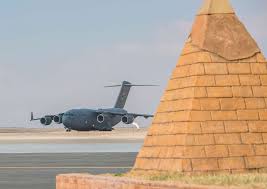
C-17 Mission Profiles

The C-17 Globemaster III is the most versatile airlifter ever built, capable of missions that previously required multiple aircraft types. From strategic airlift across oceans to tactical delivery onto unprepared strips, from aeromedical evacuation to humanitarian relief, the C-17 executes an extraordinary range of missions. Understanding these mission profiles reveals why the aircraft has become indispensable to American military operations.

Strategic Airlift: The Long Haul

Strategic airlift moves personnel and cargo over intercontinental distances. The C-17 excels at these missions with:

  • Range: 2,400 nautical miles with 160,000-pound payload
  • Global reach: Aerial refueling capability for unlimited range
  • Speed: Mach 0.77 cruise—faster than commercial freighters
  • Outsize cargo: Ability to carry equipment that fits in no other aircraft

A typical strategic airlift mission might originate at Dover AFB, Delaware, with a refueling stop at Ramstein AB, Germany, before delivering cargo to Al Udeid AB, Qatar—a journey covering nearly 7,000 miles.

Tactical Airlift: Delivering to the Fight

While strategic missions move cargo between major bases, tactical airlift delivers directly to forward operating locations:

  • Short-field operations: Landing on 3,500-foot runways
  • Austere fields: Unpaved or semi-prepared surfaces
  • Combat approaches: Steep, randomized profiles to defeat threats
  • Engine-running offload: Minimizing ground time in hostile areas

The C-17’s unique ability to perform both strategic and tactical missions in a single sortie makes it invaluable. An aircraft can fly from the United States directly to a forward strip in a combat zone—something no previous airlifter could accomplish.

Airdrop Operations

When no runway exists, the C-17 delivers from above:

  • Personnel airdrop: Up to 102 paratroopers
  • Heavy equipment: Platforms up to 60,000 pounds
  • Container delivery: Up to 40 bundles per pass
  • Precision airdrop: JPADS guided delivery from high altitude

Airdrop missions range from massive combat operations like the 173rd Airborne Brigade drop into Iraq to single-container resupply drops to isolated outposts.

Aeromedical Evacuation (AE)

The C-17 serves as a flying hospital, evacuating wounded service members from combat zones to definitive care. AE configuration includes:

  • Litter capacity: Up to 36 litter patients
  • Ambulatory patients: 54 seated patients
  • Critical care: ICU-level capability for the most severely wounded
  • Medical crew: Flight nurses, medical technicians, and physicians

The “Golden Hour” concept—getting wounded to surgery within 60 minutes—has been expanded to a “Golden Day” for strategic aeromedical evacuation, with the C-17 enabling rapid movement from theaters like Afghanistan to Landstuhl Regional Medical Center in Germany.

Humanitarian Assistance/Disaster Relief (HA/DR)

The C-17 has delivered relief supplies to virtually every major natural disaster in the past two decades:

  • 2004 Indian Ocean Tsunami: Massive relief operation across Southeast Asia
  • 2010 Haiti Earthquake: First aircraft into Port-au-Prince airport
  • 2011 Japan Earthquake/Tsunami: Relief supplies and nuclear response equipment
  • Hurricane responses: Domestic relief operations throughout the U.S.

HA/DR missions showcase the C-17’s ability to operate into damaged or limited infrastructure—exactly the conditions found after major disasters.

Special Operations Support

While not a dedicated special operations aircraft, the C-17 supports SOF missions:

  • HALO/HAHO insertion: High-altitude personnel drops
  • Equipment delivery: Vehicles and supplies for SOF teams
  • Extraction: Recovery of personnel and equipment
  • Air refueling: Extended range for helicopters and tiltrotors

Nuclear Logistics

The C-17 plays a role in the nation’s nuclear deterrent by transporting nuclear weapons components and supporting missile programs. These missions require:

  • Special security: Enhanced procedures and personnel vetting
  • Dedicated crews: Specifically trained for nuclear logistics
  • Reliability: No-fail mission success requirements

Presidential and VIP Support

When the President travels, C-17s often precede Air Force One carrying:

  • The Presidential motorcade: Armored vehicles and support cars
  • Marine One helicopters: Presidential helicopter transport
  • Security equipment: Counter-assault and communication gear
  • Staff and press: Support personnel for presidential visits

Homeland Defense

C-17s support domestic operations including:

  • Defense Support of Civil Authorities (DSCA): National Guard response to disasters
  • Firefighting support: Delivering personnel and equipment to wildfire areas
  • Arctic operations: Supplying remote locations including Antarctica
  • Emergency response: Rapid deployment of response teams

Exercise and Training Missions

Readiness requires constant training:

  • Joint exercises: Large-scale exercises with Army and other services
  • International exercises: Training with allied nations
  • Qualification training: New crew member certification
  • Proficiency training: Maintaining currency in all mission types

Typical Mission Planning Considerations

Every C-17 mission requires detailed planning:

  • Route selection: Overflight permissions, fuel stops, alternates
  • Weight and balance: Load configuration and aircraft limits
  • Weather: En route and destination conditions
  • Crew duty day: Rest requirements and augmentation needs
  • Maintenance status: Aircraft capability for specific mission requirements
  • Threat assessment: Security situation at destination and en route

Channel Missions: The Regular Routes

Not every mission is a crisis response. Channel missions provide scheduled service between major locations:

  • Patriot Express: Moving personnel between CONUS and overseas bases
  • Scheduled cargo: Regular supply runs to overseas locations
  • Diplomatic pouch: Secure movement of classified materials

Mission Success Rate

The C-17 maintains an exceptional mission success rate—typically above 90%—meaning aircraft launch and complete their missions as tasked. This reliability comes from:

  • Design reliability: Systems designed for high availability
  • Maintenance excellence: Dedicated maintainers keeping aircraft mission-ready
  • Crew professionalism: Well-trained crews who solve problems in flight
  • Logistics support: Parts and supplies positioned globally

Conclusion

The C-17’s mission profiles span the entire spectrum of airlift operations. No other aircraft can match its combination of strategic range, tactical capability, and mission versatility. From moving an M1 Abrams tank across an ocean to landing at a dirt strip in a combat zone, from evacuating wounded warriors to delivering humanitarian supplies, the C-17 does it all—often in a single mission. This versatility is why the Globemaster III has become the backbone of American airlift capability.

Jason Michael

Jason Michael

Author

Jason Michael is a Pacific Northwest gardening enthusiast and longtime homeowner in the Seattle area. He enjoys growing vegetables, cultivating native plants, and experimenting with sustainable gardening practices suited to the region's unique climate.

✈️ Get the latest C-17 news & insider content

Shop C-17 Gear

Subscribe for Updates

Get the latest articles delivered to your inbox.