Dover Air Force Base C-17 Assignment Overview
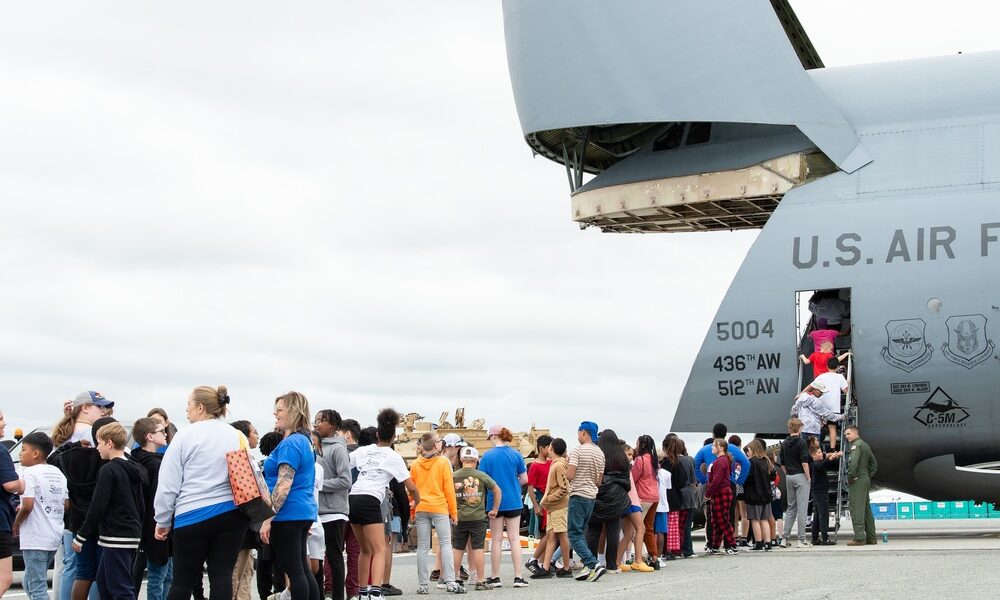
Dover Air Force Base sits on Delaware’s flat coastal plain, about an hour south of Philadelphia. From the road, you see the hangars first, then the tail sections of the massive aircraft that call this place home. This is where America’s strategic airlift begins—the largest aerial port on the East Coast and home to more C-17s than any other Air Force installation.
I’ve walked that flight line on days when six Globemasters were loading simultaneously, each headed somewhere different. Europe, the Middle East, Africa. The ramp never really sleeps at Dover.
The Numbers
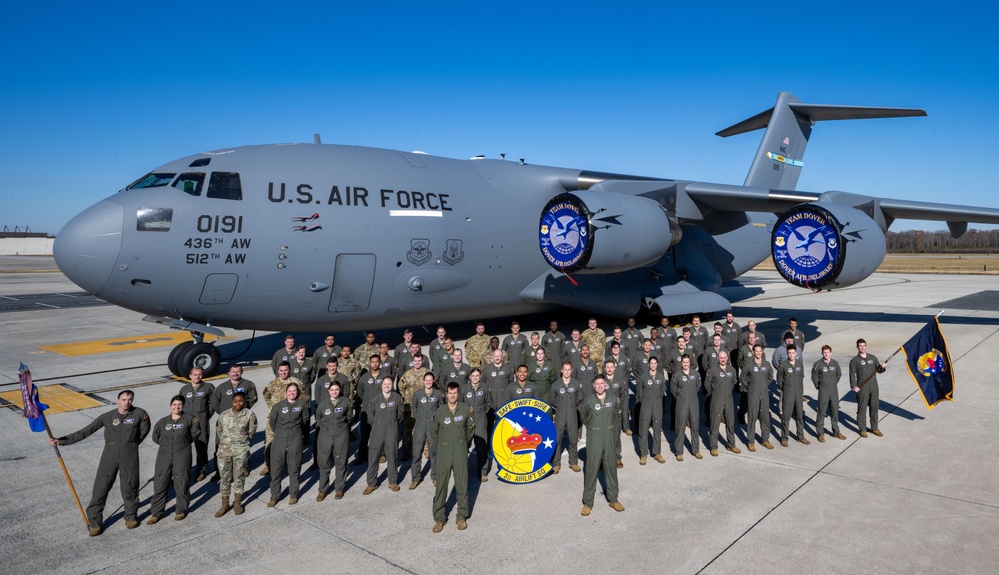
The 436th Airlift Wing runs the active duty operation here, flying eighteen-plus C-17s with the help of the 512th Airlift Wing reserve associate unit. Together, that’s roughly 9,000 military and civilian personnel keeping the mission moving.
The runway stretches nearly 13,000 feet—one of the longest on this side of the country. It needs to be. When you’re launching fully loaded Globemasters toward Europe every few hours, you want the extra room.
The Squadrons
Two active duty airlift squadrons operate from Dover: the 3rd “Ramp Rats” and the 9th “Proud Pelicans.” Each has decades of heritage and crews who’ve flown missions their predecessors couldn’t have imagined.
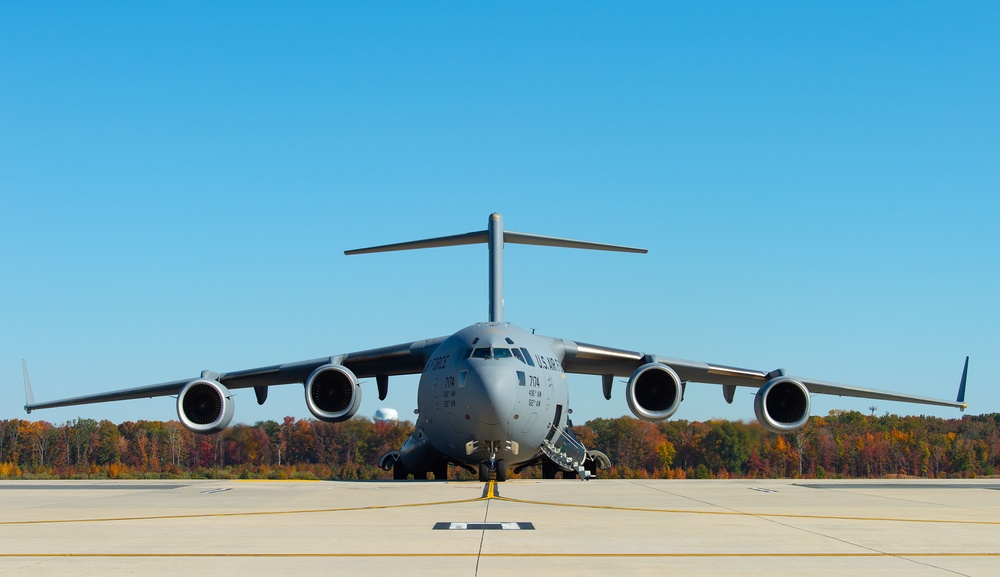
The reserve side adds the 326th and 709th Airlift Squadrons. Under Total Force Integration, reserve crews fly alongside active duty on the same missions. You might not know which crew’s which unless you asked—the professionalism is that consistent.
Where Dover Aircraft Go
Geography matters in airlift. Dover sits ideally positioned for missions heading east across the Atlantic toward European Command, Central Command, and African Command operations. That makes it the natural hub for a huge portion of America’s overseas supply chain.
Channel missions—the scheduled cargo and passenger routes—run constantly. Then there’s the contingency work: the unplanned surges when something happens somewhere and people and equipment need to get there fast.
Dover crews deploy frequently, typically 120 to 150 days annually. Some missions last three days. Some last two months. You learn to stay ready.
The Aerial Port
Walk into Dover’s aerial port facility and you understand why they call it the largest on the East Coast. Over two million square feet of ramp space, enough to work multiple C-17s and C-5s simultaneously. Cargo processing runs around the clock.
This is where large-scale military deployments actually happen. Vehicles roll up the ramps. Pallets slide into cargo bays. Passengers board with their gear. The port handles volumes that would overwhelm smaller facilities.
The Mission Nobody Wants to Talk About
Dover has another role, one that shapes the base’s culture in ways outsiders might not expect. The Charles C. Carson Center for Mortuary Affairs receives all fallen American service members from overseas.
C-17 crews assigned here may participate in dignified transfer missions, bringing fallen heroes home. Pilots and loadmasters who’ve flown those flights describe them as career-defining experiences. You understand, in those moments, why the mission matters.
That responsibility permeates everything at Dover. The professionalism isn’t performative—it’s sincere.
Living in Delaware
Dover proper isn’t Miami or San Diego, but it has advantages that military families appreciate. No state sales tax, for one. Low property taxes compared to neighboring states. Beach access within 45 minutes at Rehoboth or Dewey.
On-base housing exists through the Balfour Beatty privatization, though waitlists vary. Off-base, communities like Smyrna, Clayton, and Middletown offer options at reasonable prices. The schools in Caesar Rodney District serve most military kids.
Philadelphia sits an hour north for major league sports, serious shopping, and world-class food. Baltimore and Washington are reachable for day trips. New York takes longer but isn’t impossible.
Career Development
Dover’s mission diversity creates opportunities you won’t find at smaller bases. Pilots progress from copilot through aircraft commander to instructor and examiner positions. The functional check flight program and acceptance roles add specialized experience.
Loadmasters gain exposure to every cargo type imaginable. Aeromedical qualification is available. Instructor upgrade comes faster than at less busy locations simply because there’s more flying to do.
Staff positions at Air Mobility Command headquarters become realistic goals from Dover. The base’s visibility ensures strong performers get noticed.
Getting Assigned Here
Dover takes first-assignment aviators regularly. Strong training performance at the FTU helps, as does expressing genuine interest in strategic airlift. The assignment teams look for adaptability and professionalism—the kind of qualities that matter when you’re flying sensitive missions.
Reserve positions offer another path for experienced aviators. The 512th Airlift Wing provides the same flying opportunities with different scheduling considerations.
The Dover Experience
Serving at Dover means joining something larger than yourself. The strategic airlift mission connects directly to national defense in ways that feel tangible. The dignified transfer responsibility adds weight that stays with you.
The flying is excellent—high hours, diverse missions, professional crews. The location works for families who want proximity to major East Coast cities without paying big-city prices. The career development potential matches anywhere in the C-17 enterprise.
It’s not the flashiest assignment in the Air Force. But talk to people who’ve served here, and you’ll hear the same thing: Dover is where they learned what the mission really means.

Subscribe for Updates
Get the latest articles delivered to your inbox.
We respect your privacy. Unsubscribe anytime.