What Will Replace the C-17 Globemaster III
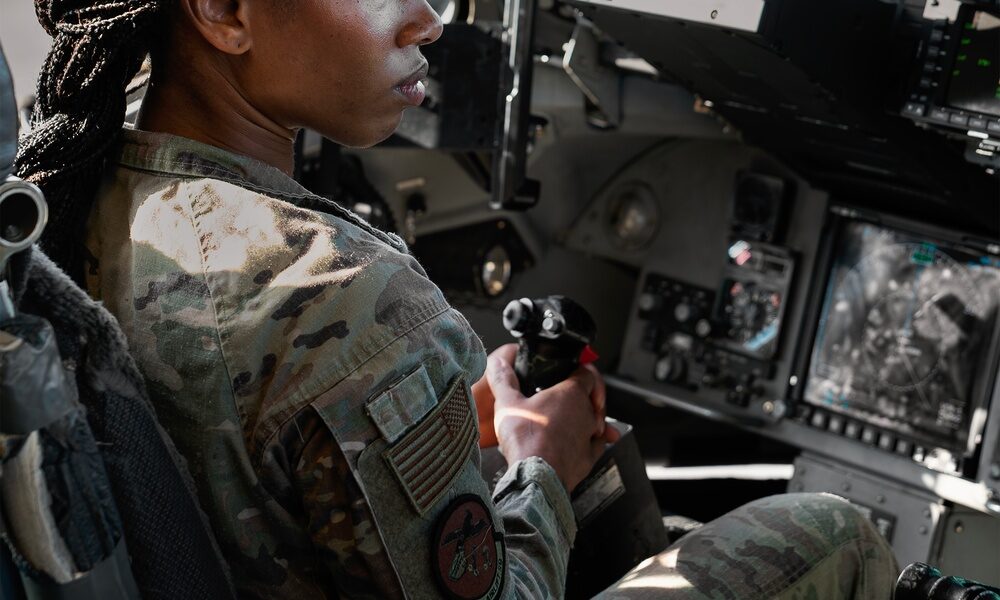
The C-17 Globemaster III has served as the backbone of American strategic airlift for three decades, but time moves forward. With production ended in 2015 and fleet ages increasing, the Air Force has begun examining what comes next through the Next Generation Airlift (NGAL) study. This analysis covers the current state of C-17 replacement planning and what the future might hold.
Why the Air Force is Looking Ahead
Several factors drive the need to plan for C-17 succession:
Fleet Age Considerations:
- Average C-17 fleet age: Approximately 20 years
- Oldest aircraft delivered in 1993
- Planned service life: Originally 30,000 flight hours
- Extended service life target: 60,000+ flight hours
- Production line closed in 2015
Operational Demands:
- High operational tempo since 2001
- Increased strategic competition with China
- Indo-Pacific distances require maximum range
- Contested logistics demand new capabilities
NGAL Study Overview
The Air Force initiated the Next Generation Airlift (NGAL) study to assess future requirements:
Study Objectives:
- Define future airlift requirements through 2050
- Assess technology options for next-generation platforms
- Evaluate fleet composition alternatives
- Consider autonomous and optionally manned systems
- Analyze contested environment operations
The study represents early-stage planning rather than an acquisition program. No formal requirements document or funding line exists yet for a C-17 replacement.
Potential Capability Requirements
Based on emerging strategic challenges, a NGAL aircraft might need:
Range and Payload:
- Extended range for Pacific theater operations
- Payload capacity equal to or exceeding C-17
- Efficient cruise at multiple altitude profiles
- Reduced tanker dependency
Survivability Features:
- Reduced radar cross-section design
- Advanced electronic warfare suites
- Autonomous threat avoidance capability
- Hardened against electromagnetic effects
Operational Flexibility:
- Short/austere field capability retained
- Rapid reconfiguration for diverse missions
- Compatible with distributed operations concept
- Reduced maintenance footprint
Technology Options Under Consideration
Several technology pathways could inform NGAL development:
Propulsion:
- Advanced turbofan with improved efficiency
- Hybrid-electric propulsion systems
- Open rotor engines for fuel savings
- Sustainable aviation fuel compatibility
Autonomy:
- Optionally manned capability
- Autonomous cargo handling systems
- AI-assisted mission planning
- Reduced crew requirements
Materials and Structure:
- Advanced composite airframes
- Additive manufactured components
- Damage-tolerant design philosophies
- Reduced radar signature shaping
Alternative Fleet Strategies
The Air Force may not simply build a “new C-17.” Alternative approaches include:
Distributed Fleet Model:
- Mix of large and medium airlifters
- Greater quantity of smaller platforms
- Reduced vulnerability to single-point failures
- Lower per-aircraft acquisition costs
Commercial Derivative Option:
- Modified commercial freighter designs
- Lower development costs
- Established production capability
- Trade-offs in military-specific requirements
Extended C-17 Service:
- Aggressive modernization programs
- Service life extension to 60,000+ hours
- Delay new platform development
- Bridge to future technologies
Timeline Considerations
Developing a C-17 successor would require substantial time:
Estimated Milestones:
- Requirements definition: 2-3 years
- Technology demonstration: 3-5 years
- Engineering and Manufacturing Development: 8-10 years
- Initial Operational Capability: 2040s at earliest
Given these timelines, the C-17 fleet will likely serve into the 2050s regardless of when a replacement program begins.
Budget Realities
Any new strategic airlifter faces fiscal constraints:
- Estimated development cost: $20-40 billion
- Per-aircraft procurement cost: $300+ million (2026 dollars)
- Competition with fighter, bomber, and space programs
- Congressional support uncertain for new programs
The B-21 bomber and Sentinel ICBM programs currently dominate Air Force acquisition priorities. A new airlifter would compete for limited funding.
Industry Perspectives
Major aerospace companies position for potential NGAL competition:
Boeing:
- Legacy C-17 manufacturer with institutional knowledge
- Could leverage commercial freighter expertise
- Potential to offer KC-46 derivative concepts
Lockheed Martin:
- C-130J tactical airlift experience
- Stealth technology from fighter programs
- Autonomous systems development
Northrop Grumman:
- B-21 stealth bomber expertise
- Potential for low-observable airlifter
- Advanced autonomous capabilities
International Considerations
Allied nations face similar replacement challenges:
- Australia, UK, and others operate aging C-17 fleets
- No international partners can develop alternatives alone
- Potential for coalition program reduces costs
- Interoperability requirements favor common platform
A U.S.-led NGAL program would likely attract international partners seeking to replace their own C-17s.
What NGAL Means for C-17 Crews
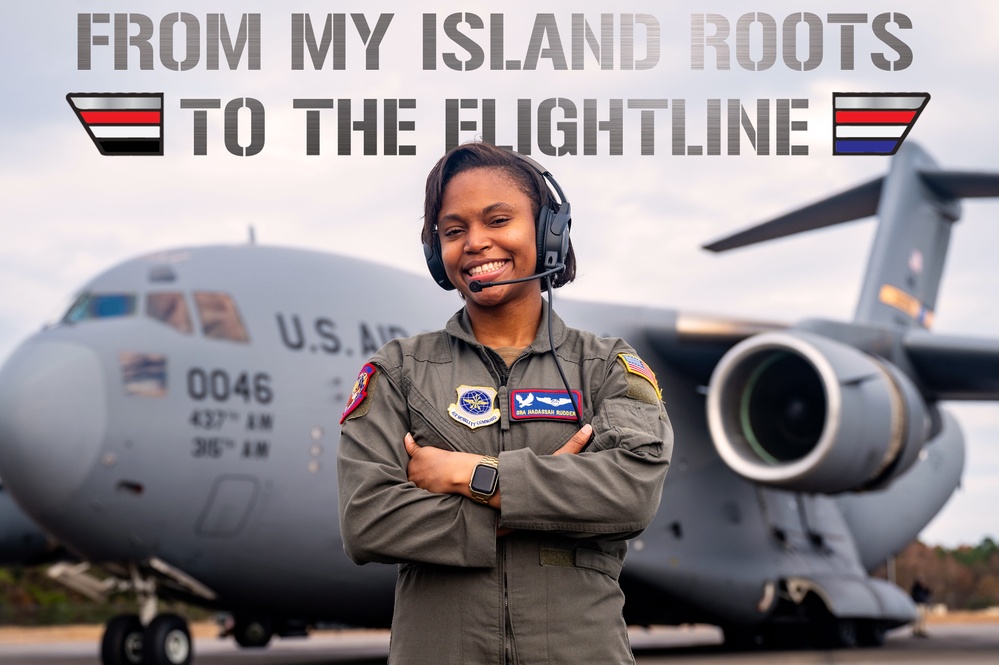
For current and aspiring C-17 airmen, the NGAL conversation has practical implications:
Career Outlook:
- C-17 will remain primary strategic airlifter through 2040s
- Current crews will likely serve entire careers on C-17
- Modernization programs create new skill requirements
- Experience on C-17 positions crews for future platforms
Training Evolution:
- Increased emphasis on contested environment operations
- Automation and autonomy integration
- Multi-domain awareness requirements
- Advanced threat avoidance procedures
The Path Forward
The C-17 replacement question has no immediate answer. The NGAL study represents the Air Force thinking ahead, not committing to a specific solution.
Several outcomes remain possible:
- Development of an entirely new strategic airlifter
- Extended C-17 service with major modernization
- Shift to distributed fleet of smaller aircraft
- Commercial derivative solutions
- Some combination of the above
What seems certain: the C-17 will continue flying critical missions for at least two more decades. The aircraft that eventually replaces it will need to match or exceed the Globemaster’s remarkable capability—a high bar to clear.
For the C-17 community, the future holds both change and continuity. The missions endure even as the platforms evolve.

Subscribe for Updates
Get the latest articles delivered to your inbox.
We respect your privacy. Unsubscribe anytime.