Inside a C-17 Globemaster III: Interior Layout and Cargo Hold
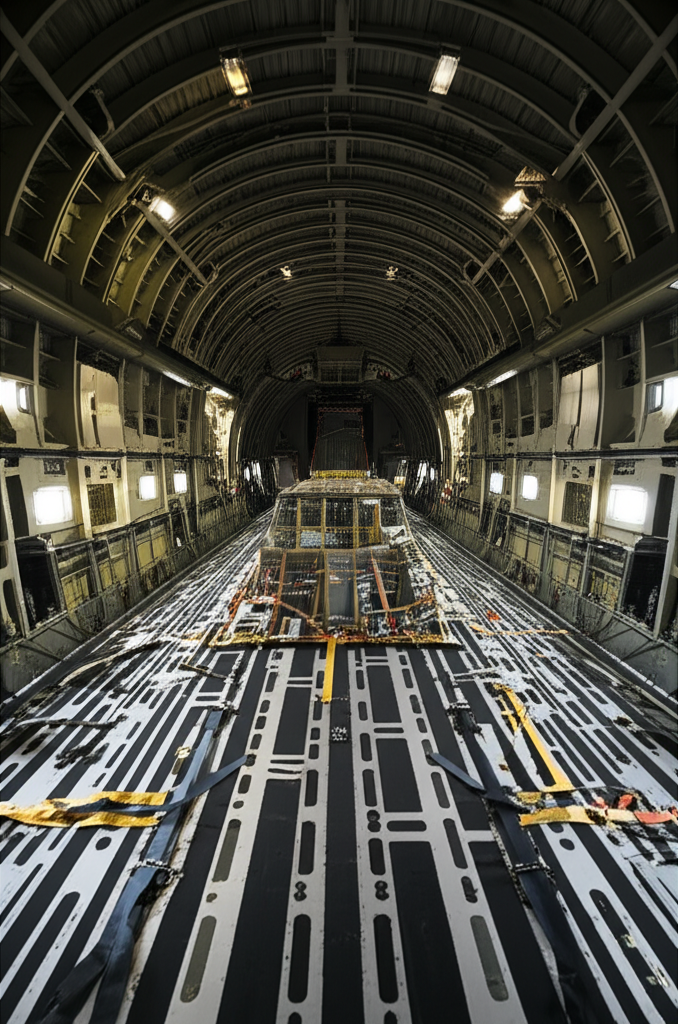
Inside a C-17 Globemaster III, most of the aircraft is a single configurable cargo compartment measuring 88 feet long, 18 feet wide and 12 feet 4 inches high. An aft ramp and door support vehicles and palletized freight, while sidewall seating, litter provisions and paratroop doors let the same aircraft carry people or support aeromedical and airborne missions.
This guide uses public U.S. Air Force data. Exact mission configurations, loading limits and procedures are determined by qualified crews and current technical guidance.
C-17 interior at a glance
| Interior feature | Official public figure |
|---|---|
| Cargo-compartment length | 88 ft (26.82 m) |
| Cargo-compartment width | 18 ft (5.48 m) |
| Cargo-compartment height | 12 ft 4 in (3.76 m) |
| Pallet positions | 18 |
| Troops or paratroopers | 102 |
| Aeromedical configuration | 36 litter and 54 ambulatory patients and attendants |
The aft ramp and cargo door
The main loading opening is at the rear of the aircraft. The ramp and door accommodate wheeled and tracked vehicles as well as palletized cargo. The Air Force specifically identifies the M1 Abrams main battle tank among the Army equipment the aircraft can transport, subject to load planning and aircraft limitations.
The cargo floor can switch between a flat configuration for vehicles and a roller-conveyor configuration for pallets. This is central to the C-17’s role: one airframe can move outsized cargo between major bases and also deliver it closer to an operating area.
What the cargo hold looks like
The cargo compartment has an industrial, mission-first layout. Instead of an airline cabin, it contains restraint fittings, roller systems, sidewall provisions, emergency equipment, lighting and crew communication points. The usable dimensions remain the same, but the layout changes according to the load.
Palletized cargo
The C-17 provides 18 pallet positions. A position is not the same thing as an unlimited weight allowance: loadmasters and load planners must account for total payload, individual item weight, restraint and center of gravity.
Vehicles and outsized equipment
The high wing and rear ramp keep the cargo deck accessible for large equipment. The aircraft can carry up to 170,900 pounds of cargo, but that published maximum does not mean every item or combination will fit. Dimensions, axle or track loads, restraint and balance all matter.
Passengers and paratroopers
The published capacity is 102 troops or paratroopers. Personnel configurations use installed seating and mission equipment rather than a permanent airline-style cabin. Paratroop operations use the side doors and are conducted under specific crew, equipment and procedural requirements.
Aeromedical evacuation
For aeromedical evacuation, the Air Force lists 36 litter and 54 ambulatory patients and attendants. A basic aeromedical crew of two flight nurses and three medical technicians is added, and staffing can change with patient needs.
The cockpit and flight crew
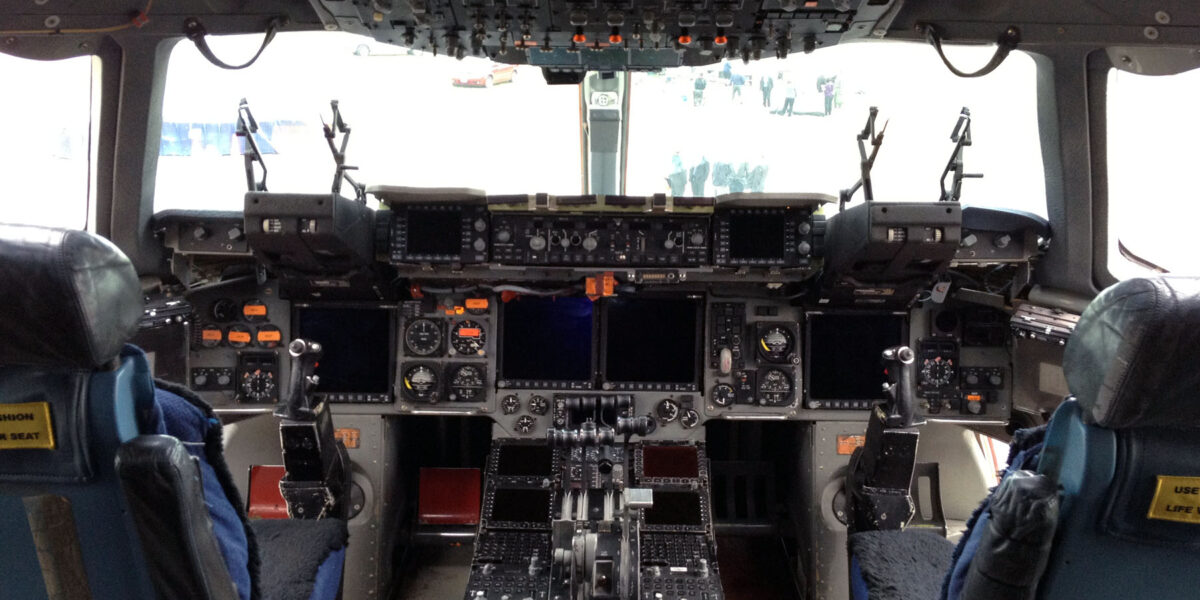
The basic C-17 crew is three people: pilot, copilot and loadmaster. The flight deck uses a two-pilot layout; the loadmaster manages cargo, weight-and-balance and cargo-compartment responsibilities. For a closer view, see the C-17 cockpit guide.
Loadmaster work area
The loadmaster is not simply a passenger in the back. Public Air Force descriptions emphasize cargo loading, restraint, weight-and-balance calculations, passenger or troop safety and coordination with the flight crew. Mission equipment and control locations allow the loadmaster to manage the cargo compartment and ramp/door operations.
How the interior changes by mission
- Strategic cargo: palletized freight or large equipment arranged within payload and balance limits.
- Vehicle movement: the floor is configured for wheeled or tracked equipment.
- Personnel: seating and safety equipment support troop transport.
- Airdrop: cargo or personnel configurations use mission-specific rigging and qualified crews.
- Aeromedical evacuation: litter stanchions, medical equipment and an added medical crew support patient movement.
C-17 interior FAQ
How big is the inside of a C-17?
The official cargo-compartment dimensions are 88 feet long, 18 feet wide and 12 feet 4 inches high.
How many pallets fit in a C-17?
The published configuration provides 18 pallet positions.
Can a C-17 carry an Abrams tank?
Yes. The Air Force identifies the M1 Abrams among the equipment accommodated by the aft ramp and cargo compartment. Actual movement requires qualified load planning.
How many people fit inside?
The Air Force publishes a capacity of 102 troops or paratroopers. Different missions and equipment can change the available configuration.
Official sources
- U.S. Air Force: C-17 Globemaster III fact sheet
- National Museum of the U.S. Air Force: Boeing C-17
- National Museum of the U.S. Air Force: Loadmasters
Related C-17 guides

Subscribe for Updates
Get the latest c-17 pilot updates delivered to your inbox.
We respect your privacy. Unsubscribe anytime.