C-17 Pilot Training at Altus: What the Course Covers
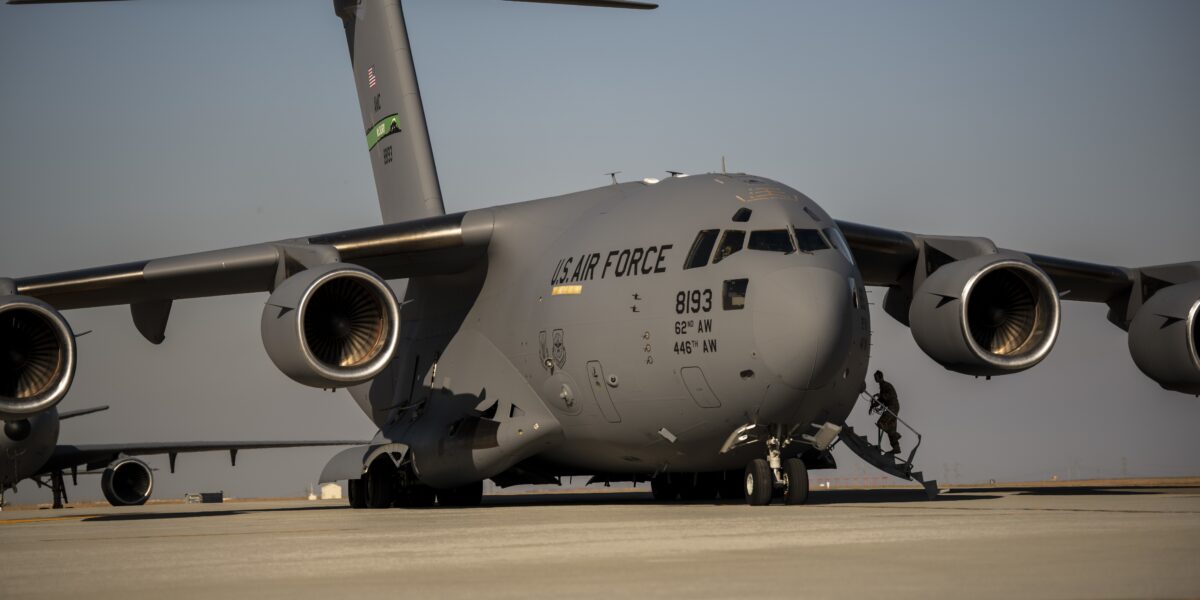
C-17 pilot training at Altus Air Force Base progresses through technical instruction, simulator application and aircraft training. The exact course and duration depend on the student’s prior experience, qualification track and current syllabus; “15 weeks” is not a reliable universal promise.
Altus is the Air Force’s formal training location for C-17 aircrews. Public sources explain the structure at a useful level, while the current syllabus and Education and Training Course Announcements govern individual students.
What Altus does for C-17 crews
The 97th Air Mobility Wing supports formal training for C-17, KC-135 and KC-46 aircrews. Its 97th Training Squadron manages the contracted aircrew-training program, while the 58th Airlift Squadron performs the C-17 flying-training mission.
The 97th Training Squadron’s February 2025 fact sheet says its broader program serves about 2,000 U.S. and international students across the three aircraft types. A 2025 Air Force training review describes 13 C-17 initial and instructor-upgrade courses at Altus, showing why one article should not assign the same duration to every “C-17 pilot course.”
The three-part initial qualification structure
Altus public affairs describes C-17 initial qualification in three broad phases:
- Technical instruction: computer-based and instructor-supported learning builds aircraft knowledge.
- Simulator application: students apply knowledge in a controlled training environment.
- Aircraft training: students progress to the flight line after completing the applicable training-system objectives.
This is a structural overview, not a checklist. Training events, evaluation standards and limitations come from official courseware and current Air Force publications.
Phase 1: technical and academic preparation
Air Force reporting says initial students begin with computer-based training before simulator work. The purpose is to establish familiarity with aircraft systems, operating concepts, limitations and the knowledge required for later application.
The exact lesson count and sequence can change. A 2020 Altus article discussed a large shared library of computer-based and simulator lessons serving initial, upgrade and instructor training for pilots and loadmasters; it did not say every student completes every lesson in that library.
Phase 2: simulator training
C-17 pilot students use cockpit simulators to apply academic knowledge before their first aircraft event. Simulators allow instructors to present normal and abnormal scenarios in a controlled environment and repeat training without using an operational aircraft for every event.
The Air Force has long emphasized the safety and cost advantages of simulation. Published device-hour totals and old course-hour snapshots are useful historical context, but they should not be relabeled as the current requirement for every student.
Phase 3: aircraft training
After completing applicable academic and simulator objectives, students progress to aircraft training with the 58th Airlift Squadron. The flying phase demonstrates and evaluates the skills required by the student’s formal course.
Weather, aircraft availability, student progress and syllabus changes can affect scheduling. A dated individual student’s timeline should not be treated as a guaranteed course calendar.
Not every student attends the same course
Public Air Force documents identify multiple formal-training tracks. Examples include pilot initial qualification, aircraft-commander initial qualification, requalification and instructor-related courses. Prior C-17 experience, crossflow experience and the position for which the student is training affect the applicable course.
An October 2025 Altus prerequisite checklist, for example, describes an Aircraft Commander Initial Qualification course for certain former C-17 pilots or aircraft commanders crossflowing from another mission-design-series aircraft. That is not the same population as a newly winged pilot entering initial C-17 training.
What happens after Altus?
Formal training does not make every graduate immediately identical in mission status or crew position. The public C-17 aircrew-training manual separates Initial Qualification Training from Mission Qualification Training and certification. Gaining units complete applicable requirements and track the graduate’s status.
For that progression, see C-17 pilot qualifications from initial training to aircraft commander.
How long is C-17 training at Altus?
There is no single responsible answer for every student. Course type, prior qualification, syllabus version, scheduling and individual progress matter. The URL of this article preserves an older “15-week” phrase, but the current page does not claim that all C-17 pilots finish in 15 weeks.
Altus C-17 training FAQ
Where is formal C-17 pilot training?
Altus Air Force Base, Oklahoma, is the Air Force’s formal C-17 aircrew training location.
Does training use simulators?
Yes. Public Air Force descriptions identify computer-based instruction, cockpit simulation and aircraft training as the broad initial-qualification sequence.
Is the course always 15 weeks?
No. Different courses and student backgrounds have different requirements, and syllabi change. Students should use their official course information.
Does graduating from Altus make a pilot an aircraft commander?
Not necessarily. The Air Force has different initial, crossflow, requalification and aircraft-commander courses. Crew-position certification depends on the applicable course and unit process.
Official sources
- Altus AFB: three phases of C-17 initial qualification
- Altus AFB: 97th Training Squadron fact sheet
- Air Force: 2025 C-17 training-system overview
- Altus AFB: C-17 Aircraft Commander Initial Qualification prerequisites
- Department of the Air Force: C-17 aircrew training manual
For weather-specific context, see why published C-17 crosswind figures differ.

Subscribe for Updates
Get the latest c-17 pilot updates delivered to your inbox.
We respect your privacy. Unsubscribe anytime.