C-17 APU Explained: Power, Engine Starts and Maintenance
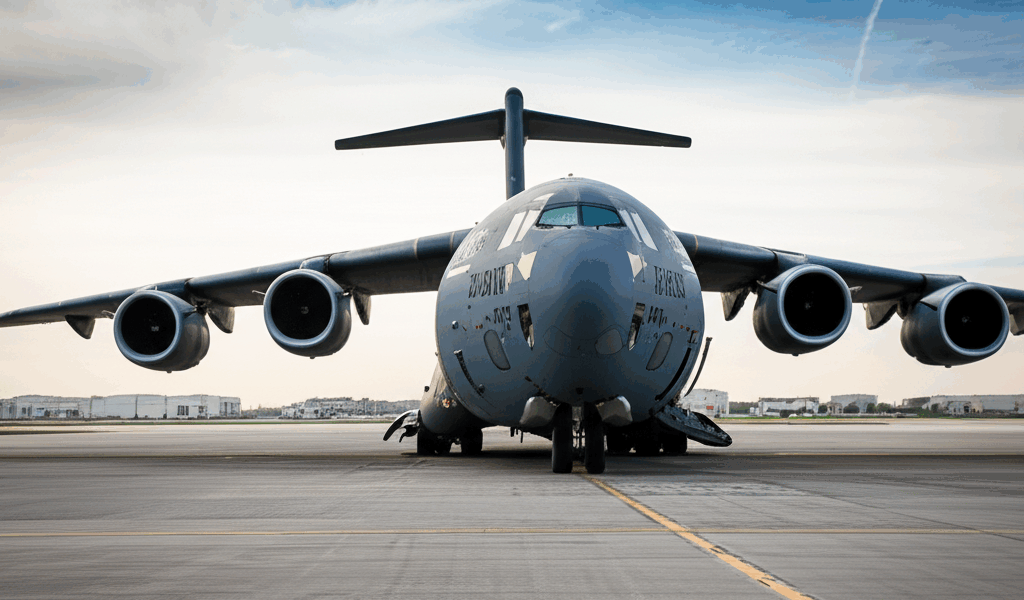
The C-17 auxiliary power unit is a small onboard gas turbine that supplies power and air when the main engines are not providing them. It supports ground operations and engine-start capability, and its availability can matter when external equipment is limited or a mission has unusual support requirements.
This public overview explains what the APU does, why it matters and how maintainers support it. It does not provide switch positions, start or shutdown sequences, operating limits, fire actions or troubleshooting steps.
What does APU stand for?
APU means auxiliary power unit. It is not a propulsion engine: it does not move the C-17 through the air. Instead, it supplies auxiliary energy for aircraft systems.
Air Force reporting on a deployed C-17 APU replacement describes the unit as powering the aircraft’s air and electronics before the engines are started.
What does the C-17 APU provide?
At a public level, the APU supports:
- electrical power for aircraft systems;
- pneumatic air used during ground operation and engine starting;
- independence from some external ground-support equipment;
- aircraft availability at locations with limited support.
The exact bus architecture, pneumatic routing and abnormal configurations belong in current technical data.
Why not use external power and air?
A ground power unit can supply electricity, and an air cart can support pneumatic needs. Those resources can reduce APU use when available and suitable.
The onboard APU gives the C-17 more flexibility at austere or remote locations. Public C-17 guidance notes that the APU air system is required in some dispatch configurations when an air cart is unavailable for engine start.
How the APU supports engine starts
A turbofan engine must be rotated and supplied with the required air, fuel and ignition conditions before it can become self-sustaining. The APU can provide pneumatic air for that process.
The earlier article listed switch positions, light indications and an engine-start order. Those steps were removed because a public summary cannot include the checklist’s conditions, cautions, system configuration or changes to current technical data.
Is the APU used in flight?
The APU’s permitted in-flight uses and availability depend on aircraft guidance, altitude, configuration and the specific condition. It can be part of the aircraft’s power-management options, but it should not be described as a universal cure for any generator, hydraulic or engine problem.
Qualified crews use the actual indications and current checklist to determine whether the APU is available and appropriate.
Why APU availability can be mission-critical
Some missions operate far from normal maintenance and support infrastructure. The 2024 C-17 guidance for Operation Deep Freeze, for example, requires an operational APU for specified Antarctic missions.
That requirement illustrates the broader value of the system: when ground equipment, alternates and repair capability are limited, onboard independence becomes more important.
What happens if the APU is unavailable?
The operational effect depends on the mission, airport support, aircraft configuration and applicable dispatch guidance. External power or air may provide an alternative for some ground functions, while certain missions or conditions may require repair before departure.
There is no universal online answer because the dispatch decision must use the current minimum-equipment guidance and mission requirements.
How the C-17 APU is maintained
Propulsion, electrical and aircraft-maintenance specialists inspect and troubleshoot the APU and related systems. Air Force reporting from a deployed location shows maintainers using cranes and specialized equipment to replace a C-17 APU.
The Air Force aircraft-maintenance training plan includes C-17 engine and APU components, system operation, troubleshooting and oil-system knowledge. Maintenance training distinguishes system familiarity from qualification to diagnose or repair the equipment.
What can cause an APU problem?
An APU indication can involve the unit itself, fuel, oil, electrical power, pneumatic air, doors, sensors, wiring or another supporting component. Environmental conditions and aircraft configuration can also affect operation.
A public page cannot diagnose the cause from one symptom. Crews follow the approved checklist, and maintainers use technical data and test equipment.
APU fire protection
Like other gas-turbine installations, the APU has fire-detection and protection considerations. The correct response depends on whether the aircraft is on the ground or in flight, the indications and the current checklist.
The old page prescribed immediate actions without the full conditions and cautions. Those instructions have been removed.
How crews learn APU operation
C-17 students begin with technical instruction, then practice aircraft-system operation in simulators before progressing to aircraft training. This lets instructors present normal starts, unavailable ground equipment and system faults in a controlled setting.
For the broader cockpit and training framework, see the C-17 cockpit guide and C-17 training at Altus.
C-17 APU FAQ
Does the APU propel the aircraft?
No. It provides auxiliary electrical and pneumatic power; the four F117 engines provide propulsion.
Can the C-17 start engines without the APU?
External support equipment may provide alternatives in some configurations, but availability and dispatch requirements depend on current guidance.
Why is the APU important at austere locations?
It reduces dependence on ground equipment for power and air, improving operational flexibility.
Where are the start and fire procedures?
In current approved C-17 technical orders and checklists, not this public overview.
Official sources
- U.S. Air Forces Central: deployed C-17 APU replacement
- Department of the Air Force: C-17 operating guidance
- Department of the Air Force: C-17 Operation Deep Freeze requirements
- Department of the Air Force: C-17 engine and APU maintenance training
- Air Education and Training Command: C-17 systems and simulator training

Subscribe for Updates
Get the latest c-17 pilot updates delivered to your inbox.
We respect your privacy. Unsubscribe anytime.