C-17 Fuel Transfer System Failures and Fixes
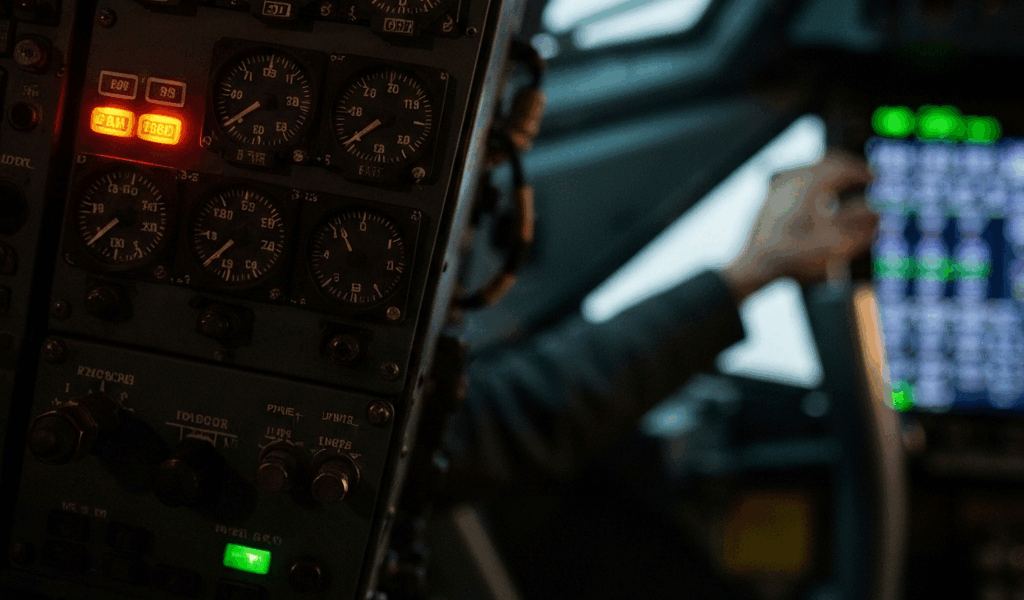
C-17 Fuel Transfer System Failures and Fixes — A Pilot’s Troubleshooting Guide
Eight years flying C-17s out of Joint Base Charleston has taught me something that no checklist captures: fuel system failures don’t announce themselves. They creep up on you during a routine trans-Pacific mission when you’re focused on fuel planning, and suddenly your left wing tank reads 3,000 pounds while the right wing reads 8,500. That’s the moment you start digging into C-17 fuel transfer system failures and fixes—because answers need to come before descent planning begins.
Most pilots treat the fuel system as a checkbox item during preflight. That was my mistake early in my career, honestly.
Why C-17 Fuel System Failures Happen in Flight
The C-17’s fuel architecture is brutally complex — left and right wing tanks, a center tank, forward and aft fuselage tanks, all fed by AC electric pumps rated at 115 volts. You’ve also got multiple cross-feed valve options that move fuel between wings. Essential for weight and balance management. Also a frequent failure point.
The most common culprits I’ve encountered fall into four categories:
- AC pump motor failures — The pump assemblies (Eaton part numbers like 4130P series) draw high amperage during startup. Repeated thermal cycling degrades the motor windings. I watched a left wing pump fail completely at 23,000 feet over the Pacific in 2019. No warning light. The fuel quantity just stopped transferring.
- Cross-feed valve stiction — Solenoid-operated valves stick when fuel varnish deposits build up inside the valve body. You command cross-feed, the light comes on, but fuel won’t actually flow. Probably should have opened with this section, honestly — it’s happened to us three times in five years.
- Fuel quantity transmitter faults — The AC-powered transmitters feeding data to your cockpit gauges drift unpredictably. A transmitter might show accurate readings at 5,000 feet, then drift 800 pounds low once you climb above 20,000 feet. You think you’ve got imbalance. You don’t — your instrument does.
- Thermal expansion and density compensation failures — Cold fuel from high altitude doesn’t behave like warm fuel from ground ops. The system’s automatic density compensator can fail, causing phantom imbalances when climbing through temperature gradients.
These modes matter because they require different responses. A transmitter fault? That can wait for landing. A pump failure? No.
How to Spot Fuel System Problems Before They Escalate
Vigilance during flight is your only early warning system. Here’s what I monitor continuously once we’re airborne:
Primary indicator: Fuel quantity gauges. Check them every 15 minutes during cruise. Your baseline should stay within 200 pounds between wing tanks at normal cruise weights. Anything beyond 500 pounds starts the investigation. I keep a small notebook page with tank readings written down at different flight levels — it’s the only way to spot the slow drift that precedes major failure.
Fuel flow rates. Each engine should show identical flow on the engine indicators at the same throttle setting. Imbalance in fuel flow suggests a downstream problem — either restricted lines or pump degradation on that side.
Pump ammeter readings. This is the single most useful diagnostic tool you have access to. A healthy AC fuel pump draws between 8 and 12 amps during normal operation. If your left wing pump jumps to 15 amps and starts making grinding noise through the fuselage, the motor is beginning to fail. I’ve caught two imminent pump failures this way.
Warning lights and caution annunciators. The C-17’s fuel system generates surprisingly few automated warnings — which is frustrating. You won’t get a light that says “pump failing.” You get pressure transducer warnings and system schematic displays. Study your fuel system page on the ECS panel obsessively.
Audible changes. Sit quietly for 30 seconds and listen. Normal pump noise is a low-frequency hum. A pump bearing failure sounds like something rolling inside the wing. A sticking cross-feed valve produces a high-pitched whine that lasts 3–4 seconds after you command it.
Step-by-Step Diagnosis During Flight Operations
You’ve noticed a problem. Here’s the decision tree I use, and it’s saved fuel and schedules more times than I can count.
Step 1: Verify the gauge itself. Pull up your fuel quantity transmitter page on the ECS display. Compare the raw transmitter output voltage against the gauge reading. A transmitter showing 12 volts when the gauge reads 6,000 pounds? That’s your problem — the gauge might be lying. If transmitter voltage matches gauge reading, proceed to Step 2. If it doesn’t, you have a transmitter fault, not a fuel problem. Note it and continue flying. That transmitter gets replaced on the ground.
Step 2: Check fuel pressure in both wing systems. Your auxiliary power display shows fuel system pressure for left and right mains. Healthy pressure at cruise is 45–55 PSI. Pressure below 35 PSI on one side means pump degradation or line restriction. If pressure is normal, move to Step 3.
Step 3: Test cross-feed valve response. This is where I confirm stiction. Command cross-feed open and watch your tank quantity display. Real fuel movement should show on the gauges within 60 seconds. If 90 seconds pass and quantities haven’t changed, the valve isn’t opening — or it’s opening partially. Listen for the solenoid click sound. No click means electrical issue; click but no fuel movement means mechanical stiction. Write that down precisely for maintenance.
Step 4: Verify pump operation by ammeter. Switch one pump off using the fuel system control panel. The corresponding ammeter should drop immediately. If it doesn’t drop, the switch is malfunctioning or the pump has already failed and isn’t drawing current — a bad sign. Reactivate the pump and check fuel flow on the engine indicators. Stable flow confirms the pump is functioning.
If diagnosis is inconclusive: Stop chasing it in flight. Make one more careful gauge reading, document exactly what you’re seeing on the ECS pages (request the flight engineer photograph the display), and declare a minimum fuel advisory to ATC. Land at the nearest suitable airport. A partial diagnosis in the air beats a catastrophic failure over mountainous terrain.
Recovery Procedures and Workarounds
Diagnosed a failure? Here’s how to manage it.
For pump failures: Switch immediately to the standby pump on the affected side. The C-17 carries redundant AC pumps in each wing tank. Switching takes 10 seconds and uses the fuel system control panel in the flight engineer’s station. If both pumps fail on one side, you’re now in single-tank operation for that wing — you must manage crossfeed continuously to prevent lateral imbalance. Notify the pilot; this will affect lateral trim.
For cross-feed valve stiction: Try cycling the valve three times — open, close, open. Sometimes mechanical stiction releases. If it doesn’t, manually balance tanks using individual tank pump selections instead of cross-feed. It’s slower but works. You can maintain approximate balance by alternating which side you pump from.
For transmitter faults: Ignore the suspect gauge and balance using the second transmitter (each system has two). Compare both readings. If they’re diverging, the lower reading is typically correct. Use fuel flow on the engines as your backup reference.
Fuel conservation if landing is delayed: Lean the mixture at altitude and reduce throttle to economy cruise. Every 50-pound reduction in fuel burn per engine extends your endurance by roughly 15 minutes on a long-range mission. I’ve done this twice when weather held us up. Document exact throttle and mixture settings for the crew.
When to Call Maintenance and What to Report
Not every anomaly requires emergency diversion. Know the difference.
Ground the aircraft immediately: Complete pump failure with no standby available. Dual cross-feed valve failure. Any fuel pressure below 20 PSI. Loss of all AC power to fuel systems. These are flight-ending issues.
Flyable with restrictions: Single pump operation (as long as standby is available). Partial transmitter drift (±500 pounds on one gauge). Minor cross-feed valve sluggishness that responds to cycling.
When you write up the aircraft for maintenance, be brutally specific. Don’t write “fuel system acting weird.” Write: “Left wing AC pump ammeter reads 16 amps at normal cruise throttle, down from baseline 10 amps. Grinding audible through left fuselage during climb. Pressure 42 PSI, stable. Recommend pump motor inspection and bearing check. Pump functionally operational but degrading.”
That language lets your maintenance technicians replicate the fault in the hangar and catch the failure before it turns into an in-flight emergency.
The C-17 fuel system is reliable when you respect it. Respect means vigilance, documentation, and the willingness to land early when diagnosis is uncertain. I’ve never regretted a precautionary landing. I’ve regretted ignoring early warning signs exactly once, and I won’t make that mistake again.

Subscribe for Updates
Get the latest c-17 pilot updates delivered to your inbox.
We respect your privacy. Unsubscribe anytime.