C-17 Globemaster III vs A400M Atlas Aircraft Comparison
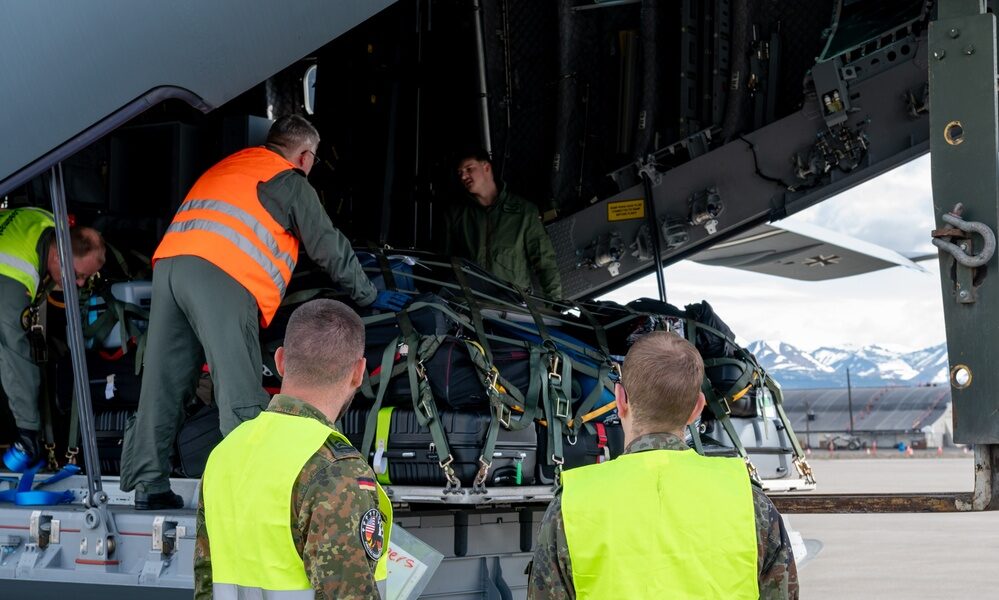
The Boeing C-17 Globemaster III and Airbus A400M Atlas represent two philosophies in modern military airlift. While the C-17 has proven itself as the backbone of American strategic airlift for three decades, the European A400M offers a newer design intended to bridge tactical and strategic roles. This comprehensive comparison examines how these aircraft stack up across all critical performance areas.
Origins and Development
C-17 Globemaster III:
- Manufacturer: Boeing (formerly McDonnell Douglas)
- First flight: September 15, 1991
- Service entry: January 1995
- Development cost: Approximately $40 billion
- Program history: Initially troubled, became highly successful
- Production: 279 aircraft built before line closure in 2015
Airbus A400M Atlas:
- Manufacturer: Airbus Defence and Space
- First flight: December 11, 2009
- Service entry: August 2013
- Development cost: Approximately $25 billion
- Program history: Significant delays and cost overruns
- Production: Ongoing, approximately 120 delivered
Performance Specifications
Maximum Payload:
- C-17: 170,900 pounds (77,519 kg)
- A400M: 81,600 pounds (37,000 kg)
- Advantage: C-17 carries more than double the A400M
Range (with maximum payload):
- C-17: 2,420 nautical miles
- A400M: 1,780 nautical miles
- Advantage: C-17 by approximately 35%
Maximum Range (minimal payload):
- C-17: 5,200 nautical miles
- A400M: 4,800 nautical miles
- Advantage: C-17, though closer
Cruise Speed:
- C-17: Mach 0.77 (450 knots)
- A400M: Mach 0.68 (400 knots)
- Advantage: C-17 is approximately 12% faster
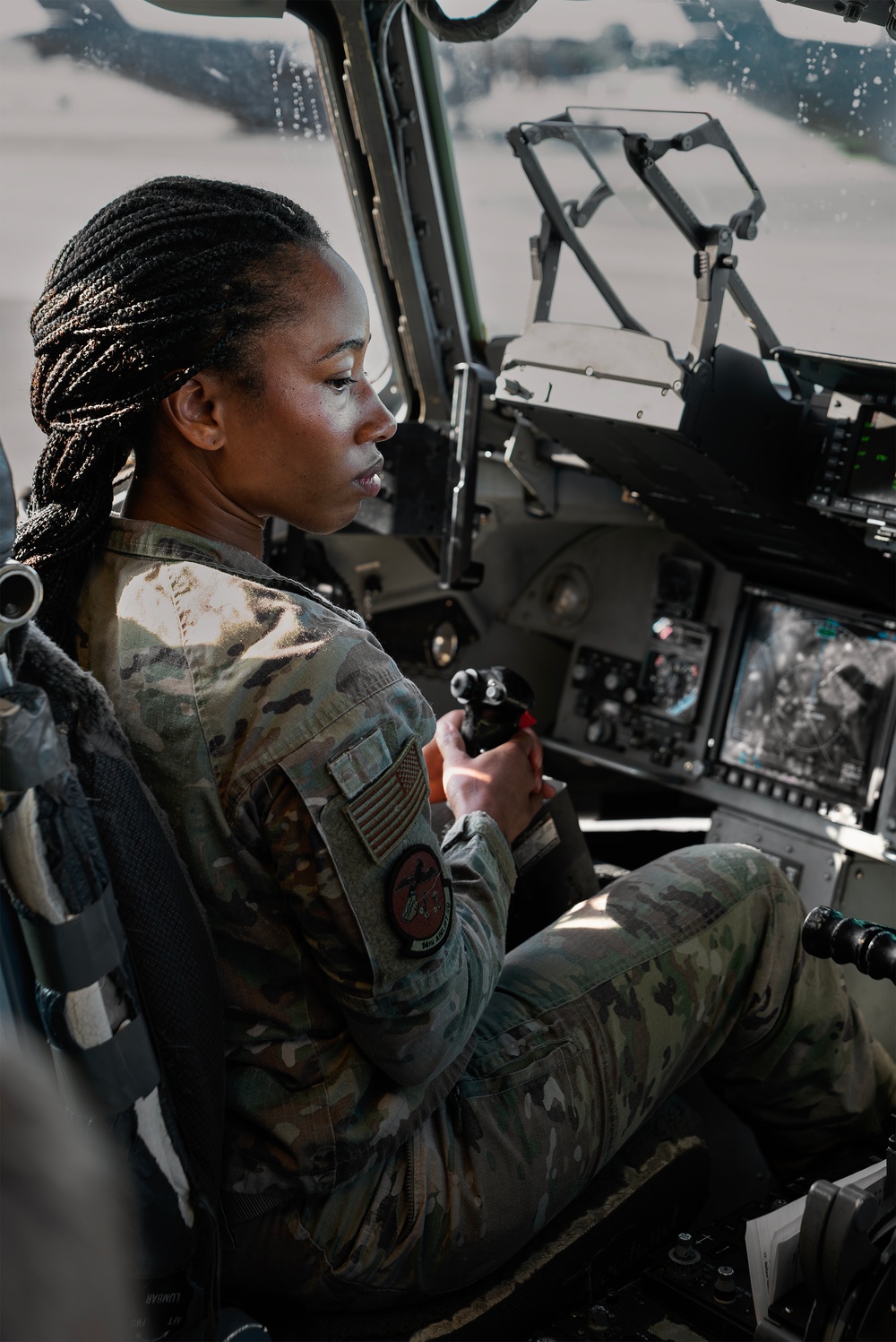
Cargo Compartment Comparison
C-17 Cargo Bay:
- Length: 88 feet (26.8 m)
- Width: 18 feet (5.5 m)
- Height: 12.4 feet (3.8 m)
- Floor area: 1,584 square feet
A400M Cargo Bay:
- Length: 57.6 feet (17.7 m)
- Width: 13.1 feet (4.0 m)
- Height: 12.5 feet (3.8 m)
- Floor area: 755 square feet
The C-17’s cargo bay is over twice the size of the A400M’s, enabling carriage of larger vehicles and more 463L pallets simultaneously.
Vehicle and Equipment Capacity
C-17 Can Carry:
- 1 M1 Abrams main battle tank (70 tons)
- 3 AH-64 Apache helicopters
- 2 M2 Bradley fighting vehicles
- 3 Stryker armored vehicles
- 18 463L cargo pallets
- 188 passengers or 102 paratroopers
A400M Can Carry:
- Cannot carry M1 Abrams (too heavy)
- 2 NH90 helicopters
- 1 Boxer armored vehicle
- 1 Piranha armored vehicle
- 9 463L cargo pallets
- 116 passengers or 116 paratroopers
The C-17’s ability to carry main battle tanks represents a critical strategic capability the A400M cannot match.
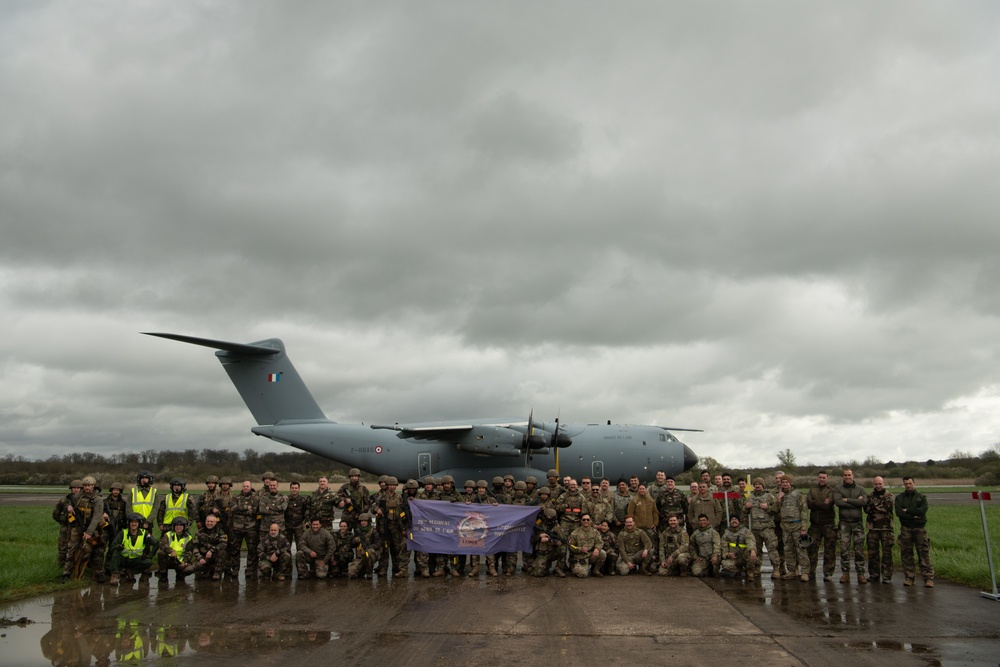
Short Field Performance
Both aircraft were designed for austere airfield operations, but they approach this differently:
C-17:
- Takeoff distance (max gross weight): 7,740 feet
- Landing distance: 3,500 feet on paved runways
- Can operate on semi-prepared surfaces
- Designed for 3,000 ft x 90 ft runways
- Uses thrust reversers in flight for tactical descent
A400M:
- Takeoff distance: 3,215 feet (at reduced weight)
- Landing distance: 2,165 feet
- Specifically designed for unprepared strips
- Can operate on grass, dirt, and sand
- Low-pressure tires for soft field operations
The A400M offers superior short-field performance, particularly on unprepared surfaces. However, this comes at the cost of payload capacity.
Propulsion Systems
C-17 Engines:
- 4 x Pratt & Whitney F117-PW-100 turbofans
- Thrust: 40,440 lbf each (180 kN)
- Total thrust: 161,760 lbf
- Fuel consumption: Approximately 17,000 lb/hr cruise
- Directed-flow thrust reversers for short-field landing
A400M Engines:
- 4 x Europrop TP400-D6 turboprops
- Power: 11,000 shp each
- Propellers: 8-blade Ratier-Figeac FH386, counter-rotating
- Fuel consumption: Approximately 8,500 lb/hr cruise
- Propeller reversing for short-field capability
The C-17’s turbofan engines provide higher speed and altitude capability, while the A400M’s turboprops offer better fuel efficiency and low-speed performance for tactical operations.
Airdrop Capabilities
C-17 Airdrop:
- Simultaneous airdrop of up to 102 paratroopers
- Heavy equipment drops up to 60,000 lbs per load
- Container Delivery System (CDS)
- Joint Precision Airdrop System (JPADS) compatible
- Low Altitude Parachute Extraction System (LAPES)
A400M Airdrop:
- 116 paratroopers via simultaneous side doors
- Heavy equipment drops up to 35,000 lbs
- Gravity extraction and parachute extraction
- Precision airdrop system compatible
- Designed for dual side-door paradrop
The A400M excels at personnel airdrop with its side doors designed for high-speed paradrop, while the C-17 maintains advantage in heavy equipment delivery.
Operating Costs
C-17 Costs:
- Unit cost: Approximately $218 million (final production)
- Cost per flight hour: $24,000-$32,000
- Cost per ton-mile: Higher due to greater fuel consumption
- Maintenance: Well-established supply chain
A400M Costs:
- Unit cost: Approximately $150 million
- Cost per flight hour: $15,000-$20,000
- Cost per ton-mile: Lower due to turboprop efficiency
- Maintenance: Growing support infrastructure
The A400M offers lower operating costs, but when measured by payload capacity, the cost differential narrows considerably.
Global Operators
C-17 Operators (Active):
- United States Air Force (222 aircraft)
- Royal Air Force (8)
- Royal Australian Air Force (8)
- Indian Air Force (11)
- Qatar Emiri Air Force (8)
- Kuwait Air Force (2)
- United Arab Emirates Air Force (8)
- NATO Strategic Airlift Capability (3)
A400M Operators (Current/Ordered):
- French Air Force (18 delivered, 50 ordered)
- German Air Force (40 ordered)
- Spanish Air Force (27 ordered)
- Turkish Air Force (10 ordered)
- Royal Air Force (22 ordered)
- Belgian Air Force (7 ordered)
- Royal Malaysian Air Force (4 delivered)
Mission Role Comparison
Where C-17 Excels:
- Strategic intercontinental airlift
- Outsized cargo (main battle tanks, large helicopters)
- Maximum payload requirements
- Speed-critical missions
- Established operational procedures
Where A400M Excels:
- Tactical intra-theater airlift
- Unprepared airfield operations
- Medium-weight cargo delivery
- Fuel efficiency on shorter routes
- Personnel paradrop operations
Production Status
A critical distinction: C-17 production ended in 2015, making remaining aircraft a finite resource. The A400M remains in production with ongoing deliveries expected through the late 2020s.
This production status means:
- C-17 operators cannot add aircraft without purchasing used
- A400M operators can expand fleets through new orders
- C-17 sustainment costs may increase as fleet ages
- A400M support infrastructure continues developing
The Verdict: Different Tools for Different Jobs
The C-17 and A400M aren’t direct competitors—they serve different niches in the airlift spectrum:
The C-17 remains unmatched for strategic airlift requiring maximum payload, outsize cargo capability, and intercontinental range. No aircraft in production can replicate its ability to deliver a main battle tank to a forward airfield.
The A400M fills the gap between tactical transports (C-130) and strategic airlifters (C-17). Its superior short-field performance and lower operating costs make it ideal for European theater operations and missions not requiring C-17 capacity.
For air forces requiring full-spectrum airlift capability, the combination of both types—or the C-17 paired with C-130s—provides the most operational flexibility. The choice depends on primary mission requirements, operating environment, and budget constraints.
As C-17 production has ended, future procurement decisions increasingly favor the A400M by default. However, the C-17’s capabilities ensure it will remain the gold standard for heavy strategic airlift until potential successors emerge in the 2030s or beyond.

Subscribe for Updates
Get the latest c-17 pilot updates delivered to your inbox.
We respect your privacy. Unsubscribe anytime.