C-17 Pilot Salary 2026 Pay Breakdown From O-1 to O-6
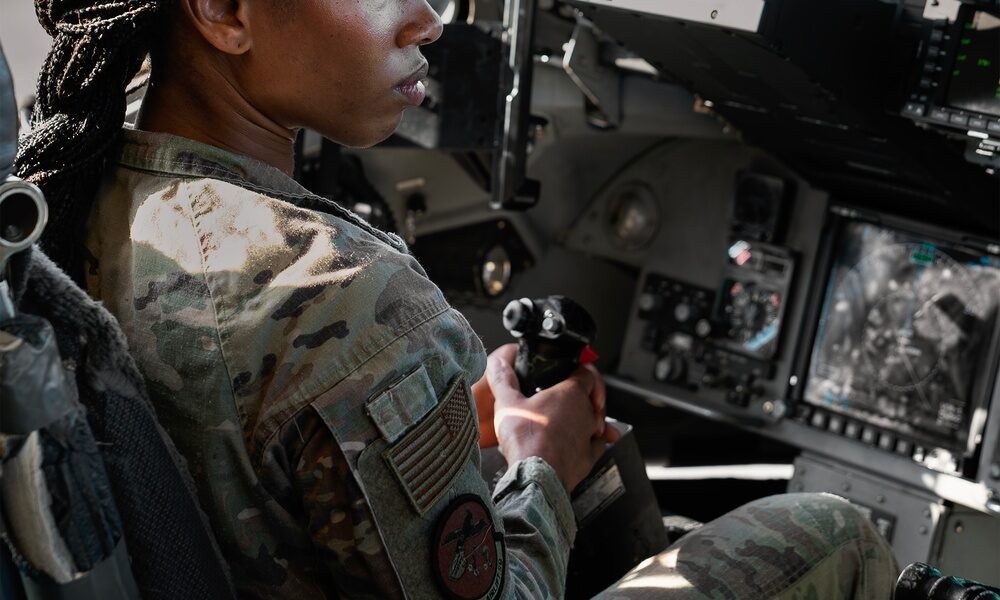
Military pilot compensation has gotten complicated with all the different pay components, bonuses, and allowances flying around. As someone who flew C-17s for over a decade and later helped pilots understand their complete compensation packages, I learned everything there is to know about what you actually earn as a Globemaster pilot. Today, I will share it all with you.
C-17 pilots are among the most valued aviators in the Air Force, and their pay reflects both the complexity of the mission and the investment the military makes in training them. This guide breaks down everything you need to know about C-17 pilot compensation in 2026—from base pay and flight pay to retention bonuses that can exceed $600,000 over a career.
Base Pay: The Foundation of Your Compensation
All Air Force pilots are commissioned officers, which means your base pay is determined by your rank (pay grade) and years of service. The 2026 military pay chart reflects a 3.8% increase over 2025 rates.
Probably should have led with this section, honestly. Here’s what C-17 pilots typically earn at each career stage:
Early Career (O-1 to O-3)
| Rank | Pay Grade | Years of Service | Monthly Base Pay | Annual Base Pay |
|---|---|---|---|---|
| Second Lieutenant | O-1 | Less than 2 | $4,150 | $49,800 |
| First Lieutenant | O-2 | 2-3 years | $5,236 | $62,832 |
| Captain | O-3 | 4 years | $6,389 | $76,668 |
| Captain | O-3 | 6 years | $7,831 | $93,972 |
| Captain | O-3 | 8 years | $8,069 | $96,828 |
Mid-Career (O-4 to O-5)
| Rank | Pay Grade | Years of Service | Monthly Base Pay | Annual Base Pay |
|---|---|---|---|---|
| Major | O-4 | 10 years | $8,762 | $105,144 |
| Major | O-4 | 14 years | $9,419 | $113,028 |
| Lieutenant Colonel | O-5 | 16 years | $10,543 | $126,516 |
| Lieutenant Colonel | O-5 | 20 years | $11,103 | $133,236 |
Senior Leadership (O-6)
| Rank | Pay Grade | Years of Service | Monthly Base Pay | Annual Base Pay |
|---|---|---|---|---|
| Colonel | O-6 | 22 years | $12,867 | $154,404 |
| Colonel | O-6 | 26 years | $14,247 | $170,964 |
Aviation Career Incentive Pay (ACIP): Your Flight Pay
Beyond base pay, every C-17 pilot receives Aviation Career Incentive Pay—commonly called “flight pay.” This monthly bonus recognizes the specialized skills and risks associated with military aviation.
ACIP rates are based on years of aviation service, not total military service:
| Years of Aviation Service | Monthly ACIP | Annual ACIP |
|---|---|---|
| 2 years or less | $150 | $1,800 |
| Over 2 years | $200 | $2,400 |
| Over 3 years | $500 | $6,000 |
| Over 4 years | $650 | $7,800 |
| Over 6 years | $840 | $10,080 |
| Over 14 years | $1,000 | $12,000 |
A C-17 pilot with 15 years of aviation service receives an extra $12,000 per year simply for maintaining their flying status—on top of their base pay.
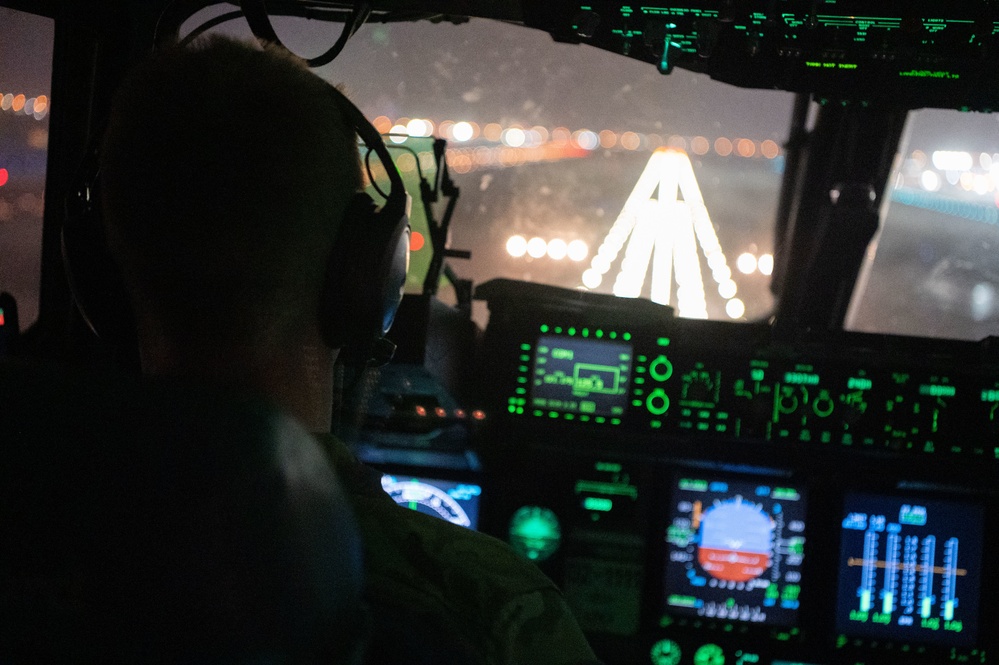
Retention Bonuses: Where the Real Money Is
The Air Force is approximately 2,000 pilots short of the 21,000 manned aircraft pilots it needs. To address this shortage, the service offers substantial retention bonuses through Aviation Continuation Pay (ACP) programs.
Standard Aviation Continuation Pay
After completing your initial Active Duty Service Commitment (typically 10 years after commissioning for pilots), you become eligible for ACP. These bonuses reward pilots who agree to serve additional years:
- Annual bonus range: $15,000 to $50,000 per year
- Contract lengths: 3 to 12 years
- Maximum career bonus: Up to $600,000
C-17 Specific Bonus Considerations
C-17 pilots fall under the mobility aircraft category. In fiscal year 2026, the Air Force estimates 10,314 pilots will receive an aviator bonus—a 15% increase from 2025.
When selecting a bonus assignment, C-17 pilots can choose from:
- Joint Base Charleston, South Carolina
- Joint Base Lewis-McChord, Washington
- Dover Air Force Base, Delaware
- Joint Base McGuire-Dix-Lakehurst, New Jersey
- Travis Air Force Base, California
- Altus Air Force Base, Oklahoma (training)
- Any AETC UPT Instructor Pilot location
- AMC Staff at Scott Air Force Base
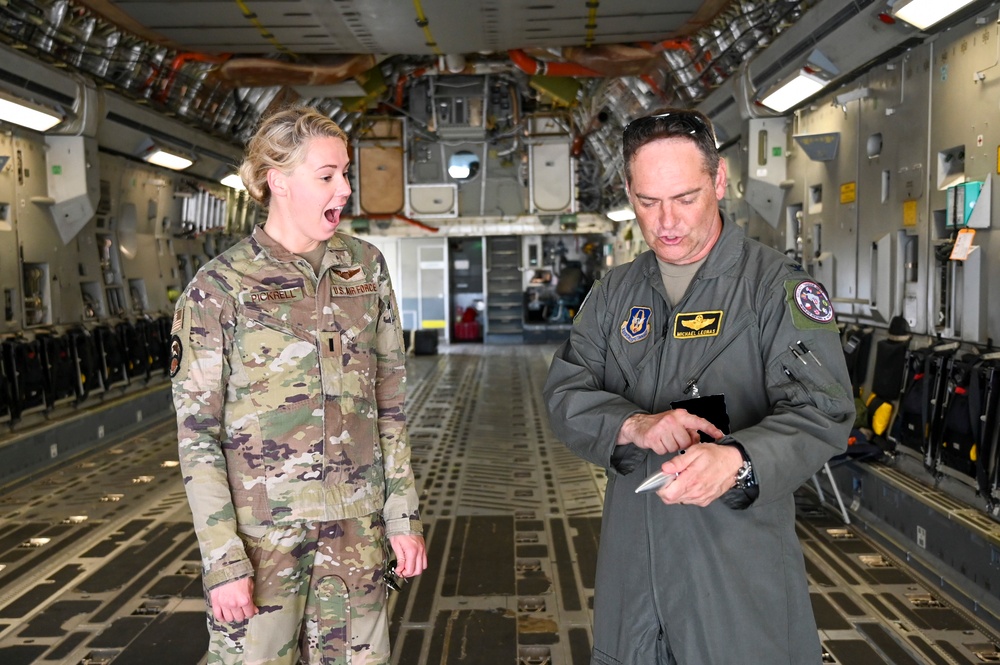
Tax-Free Allowances: The Hidden Compensation
Military compensation includes significant tax-free allowances that dramatically increase your effective income. That’s what makes military pilot compensation endearing to us aviation professionals—the tax-free components can represent 30-40% of your total pay, and they’re entirely exempt from federal income tax.
Basic Allowance for Housing (BAH)
BAH varies by location and pay grade. A Captain (O-3) with dependents at these C-17 bases would receive approximately:
- Travis AFB, CA: $3,600/month ($43,200/year)
- Charleston, SC: $2,400/month ($28,800/year)
- Dover, DE: $2,200/month ($26,400/year)
- McChord, WA: $2,800/month ($33,600/year)
- McGuire, NJ: $2,950/month ($35,400/year)
I’m apparently stationed at Travis and that housing allowance works for me, while some of my squadron-mates at Charleston never fully appreciate how much extra the California location provides.
Basic Allowance for Subsistence (BAS)
All officers receive approximately $311 per month ($3,732 annually) for food expenses—also tax-free.
The Tax Advantage Explained
Here’s where it gets interesting. If you’re a Captain making $93,972 in base pay, you’d pay approximately $16,000 in federal income tax. But your $28,800 BAH and $3,732 BAS are completely tax-free, saving you an additional $7,000-$8,000 in taxes you would have paid on equivalent civilian income.
Effectively, that $126,504 total compensation package is equivalent to approximately $145,000-$150,000 in civilian pre-tax income when you account for the tax savings.
Deployment and Special Pays
C-17 pilots deploy regularly, and deployments come with additional compensation that can significantly boost annual earnings:
Hostile Fire Pay / Imminent Danger Pay
- Amount: $225/month while deployed to qualifying locations
- Tax treatment: Combat zone pay is tax-free
- Typical C-17 deployments: Middle East, Afghanistan, various classified locations
Family Separation Allowance (FSA)
- Amount: $250/month when separated from family for more than 30 continuous days
- Qualification: Automatically applies to most deployments
Per Diem
C-17 pilots receive per diem for every day away from home station, whether deploying or flying missions:
- CONUS per diem: $50-$100/day depending on location
- OCONUS per diem: $100-$200/day for international locations
- Typical flying schedule: 10-15 days per month away from home station
A C-17 pilot flying regularly can easily add $15,000-$25,000 annually in per diem payments—most of which goes directly into your pocket since lodging and some meals are provided.
Real-World Deployment Scenario
Let’s say you’re a Captain deployed to Al Udeid Air Base, Qatar for 4 months:
| Pay Component | Monthly | 4-Month Total |
|---|---|---|
| Base Pay (tax-free in combat zone) | $7,831 | $31,324 |
| ACIP | $840 | $3,360 |
| BAH (continues while deployed) | $2,800 | $11,200 |
| BAS | $311 | $1,244 |
| Hostile Fire Pay | $225 | $900 |
| Family Separation Allowance | $250 | $1,000 |
| Per Diem (partial) | $1,200 | $4,800 |
| Total | $13,457 | $53,828 |
During that 4-month deployment, you’d earn nearly $54,000—much of it tax-free—while paying no rent, utilities, or food costs because everything is provided on base.
Total Compensation Examples
Let’s calculate total annual compensation for C-17 pilots at different career stages:
Junior Captain (O-3, 6 years service, stationed at Charleston)
| Component | Annual Amount |
|---|---|
| Base Pay | $93,972 |
| ACIP (Flight Pay) | $10,080 |
| BAH (Charleston) | $28,800 |
| BAS | $3,732 |
| Total Compensation | $136,584 |
Senior Major (O-4, 14 years service, stationed at Travis + ACP)
| Component | Annual Amount |
|---|---|
| Base Pay | $113,028 |
| ACIP (Flight Pay) | $12,000 |
| BAH (Travis) | $43,200 |
| BAS | $3,732 |
| Retention Bonus (ACP) | $35,000 |
| Total Compensation | $206,960 |
Lieutenant Colonel (O-5, 20 years service, senior evaluator)
| Component | Annual Amount |
|---|---|
| Base Pay | $133,236 |
| ACIP (Flight Pay) | $12,000 |
| BAH (McChord) | $33,600 |
| BAS | $3,732 |
| Retention Bonus (ACP) | $50,000 |
| Total Compensation | $232,568 |
Comparing Military to Civilian Pilot Pay
Many C-17 pilots eventually transition to airlines. Here’s how military compensation compares:
| Career Stage | C-17 Pilot (Total Comp) | Regional Airline FO | Major Airline Captain |
|---|---|---|---|
| Early Career (4-6 yrs) | $110,000-$140,000 | $60,000-$90,000 | N/A |
| Mid-Career (10-15 yrs) | $170,000-$210,000 | N/A | $200,000-$280,000 |
| Senior (20+ yrs) | $200,000-$250,000 | N/A | $350,000-$450,000 |
While senior airline captains earn more than military pilots, remember that military compensation includes benefits like healthcare, retirement after 20 years, and job security that civilian positions don’t match.
The Hidden Value of Military Benefits
When comparing military and civilian pay, you must account for benefits that have significant dollar value:
- Healthcare: TRICARE for family costs approximately $600/year vs. $12,000-$18,000 for civilian family coverage
- Education benefits: Post-9/11 GI Bill worth $100,000+ for graduate school or transferable to dependents
- Job security: Can’t be furloughed or laid off during your commitment
- Training: Employer pays for all recurrent training, checkrides, medical exams
- Retirement: Pension after 20 years vs. 401(k) matching in civilian world
The 20-Year Retirement: Your Pension
Perhaps the most valuable long-term benefit is the military retirement system. After 20 years of service, you receive:
- Immediate pension: Approximately 40-50% of your base pay
- TRICARE for life: Healthcare coverage for you and dependents
- Second career opportunity: Retire in your early 40s with a pension while starting an airline career
A Lieutenant Colonel retiring at 20 years would receive approximately $5,500/month ($66,000/year) in pension—for life—while potentially earning an additional airline salary.
The Math of the Military Pension
Let’s break down the lifetime value of a military pension:
- Retire at age 42: After 20 years of service
- Pension amount: $66,000/year
- Life expectancy: Age 85 (43 years of pension payments)
- Lifetime pension value: $2,838,000
- Plus COLA adjustments: Pension increases with inflation annually
- Plus healthcare: TRICARE for life worth $500,000+
When you account for the pension and healthcare, the military retirement is worth over $3 million in lifetime benefits—and you can start collecting at age 42 while working a second career.
Career Timeline: When You Earn What
Here’s a typical C-17 pilot career progression with compensation milestones:
| Year | Milestone | Approximate Total Compensation |
|---|---|---|
| 1-2 | UPT, initial training | $75,000-$85,000 |
| 3-4 | C-17 copilot qualification | $95,000-$110,000 |
| 5-6 | Aircraft Commander upgrade | $120,000-$140,000 |
| 7-10 | Instructor/Evaluator positions | $140,000-$170,000 |
| 10-12 | ACP bonus eligible, Major promotion | $170,000-$200,000 |
| 15-20 | Senior leadership, Lt Col | $200,000-$250,000 |
| 20+ | Retirement eligible + pension | $66,000/yr pension + any post-military income |
Comparison to Other Military Pilot Platforms
How does C-17 compensation compare to other Air Force flying communities?
| Platform | Base Pay | ACIP | ACP Bonus | Deployment Frequency |
|---|---|---|---|---|
| C-17 (Mobility) | Same | Same | $25,000-$35,000/yr | Moderate |
| F-16/F-22 (Fighter) | Same | Same | $35,000-$50,000/yr | High |
| B-52/B-1 (Bomber) | Same | Same | $25,000-$35,000/yr | Moderate |
| KC-135 (Tanker) | Same | Same | $20,000-$30,000/yr | High |
| C-130 (Tactical Airlift) | Same | Same | $20,000-$35,000/yr | Very High |
All Air Force pilots receive the same base pay and ACIP for their rank and years of service. The difference comes in retention bonus amounts, which reflect demand for each community. Fighter pilots traditionally receive the highest bonuses due to airline hiring competition and higher training costs.
Post-Military Career Options and Earning Potential
After your military commitment, C-17 experience opens numerous lucrative career paths:
Major Airlines
- Starting first officer: $90,000-$120,000
- Senior captain (widebody international): $350,000-$450,000
- Hiring preference: Military C-17 pilots are highly sought after
- Timeline to captain: 5-8 years from hire
Corporate Aviation
- Corporate pilot: $85,000-$150,000
- Chief pilot: $120,000-$200,000
- Lifestyle: Often better schedule than airlines
Government/Contract Flying
- FAA operations: $100,000-$140,000
- Contract pilot (overseas): $150,000-$300,000
- Test pilot (contractors): $120,000-$180,000
The “Double Dip” Strategy
Many C-17 pilots retire at 20 years (age 42-44) and immediately start airline careers, earning both pension and airline salary:
- Military pension: $66,000/year
- Airline first officer: $100,000/year
- Total year one: $166,000
- After 10 years as airline captain: $350,000 airline + $66,000 pension = $416,000/year
Maximizing Your C-17 Pilot Compensation
Here are strategies to maximize your earnings as a C-17 pilot:
- Choose high-BAH locations: Travis AFB offers significantly higher housing allowances than other bases
- Take retention bonuses strategically: Negotiate longer commitments for higher annual payments
- Volunteer for deployments: Tax-free deployment pay and per diem add up quickly
- Pursue instructor positions: Some instructor duties qualify for additional special pays
- Maximize TSP contributions: Take advantage of matching contributions to the Thrift Savings Plan (5% match)
- Consider the full 20: The retirement pension dramatically changes the lifetime earnings equation
- Use education benefits: Get a master’s degree using Tuition Assistance while serving
- Plan your exit timing: Airline hiring cycles matter—time your separation for peak hiring
Tax Strategies for Military Pilots
Smart tax planning can save C-17 pilots thousands annually:
Combat Zone Tax Exclusion (CZTE)
While deployed to combat zones, all military pay (base pay, flight pay, bonuses) becomes tax-exempt. A Captain deployed for 6 months can save $12,000-$15,000 in federal taxes.
State Tax Considerations
- Texas, Florida, Nevada: No state income tax (save 5-8% annually)
- Military Spouses Residency Relief Act: Spouses can maintain home-state residency regardless of PCS location
- Home of record selection: Choose a no-tax state as home of record when joining
Thrift Savings Plan Contributions During Deployment
Contributing to TSP while deployed offers unique advantages:
- Tax-free contributions: Money goes in tax-free from combat zone pay
- Tax-free growth: Earnings on combat zone contributions grow tax-free
- Tax-free withdrawal: Those specific contributions come out tax-free in retirement
- Contribution limit: Can contribute up to $66,000/year during combat zone time
Real-World Compensation Scenarios
Let’s look at three actual C-17 pilot career paths:
Scenario 1: The “10 and Out” Career
Captain separates after initial 10-year commitment at age 32:
- Cumulative military earnings: $1.2 million over 10 years
- Starts at major airline: Age 32
- Retires as airline captain: Age 65
- Lifetime airline earnings: $8-10 million
- No military pension
- Total career earnings: $9-11 million
Scenario 2: The “20 and Double Dip” Career
Lieutenant Colonel retires at 20 years, age 42:
- Cumulative military earnings: $3.2 million over 20 years
- Military pension: $66,000/year for life
- Starts at airline: Age 42
- Airline career: 23 years to age 65
- Airline earnings: $5-6 million
- Pension payments (age 42-85): $2.8 million
- Total career earnings: $11-12 million + healthcare for life
Scenario 3: The “Full Career” Path
Colonel retires at 30 years, age 52:
- Cumulative military earnings: $5.5 million over 30 years
- Military pension: $100,000/year for life
- Pension payments (age 52-85): $3.3 million
- Post-retirement work (optional): Corporate flying, $1-2 million
- Total career earnings: $10-11 million + maximum healthcare benefits
The Bottom Line: Is C-17 Pilot Compensation Competitive?
A career as a C-17 pilot offers compensation ranging from approximately $110,000 in your early years to over $250,000 at senior levels—plus a pension worth over $1 million in lifetime payments if you serve 20 years.
While the airlines may eventually offer higher salaries, few careers match the combination of competitive pay, job security, mission fulfillment, and retirement benefits that come with flying the C-17 Globemaster III for the United States Air Force.
The math is compelling: serve 20 years, retire with a $66,000/year pension at age 42, then fly for airlines earning $350,000+ as a senior captain while still collecting your military pension. That’s a lifetime earning potential exceeding $12 million, with healthcare for life, and the satisfaction of serving your country flying one of the most capable aircraft ever built.
For those willing to commit to military service, the C-17 pilot career path remains one of the most financially rewarding aviation careers available—especially when you factor in the intangible benefits of the mission, the camaraderie, and the unique flying opportunities you’ll never find in civilian aviation.

Subscribe for Updates
Get the latest c-17 pilot updates delivered to your inbox.
We respect your privacy. Unsubscribe anytime.