Why the C-17 Can Land on Dirt When No Other Heavy Lifter Can
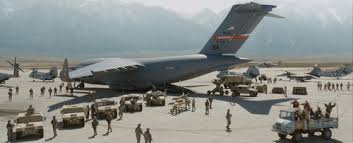
The C-17’s landing gear is unlike anything else in military aviation. Those massive struts and 24 tires aren’t just built to support 585,000 pounds—they’re engineered to handle the brutal punishment of landing on unprepared surfaces that would destroy conventional transport aircraft. After landing on everything from concrete runways to dirt strips, I can tell you this gear system is what truly makes the C-17 tactically unique.
The Numbers Behind the Gear
The C-17’s landing gear consists of:
- Nose gear: 2 wheels
- Main gear: 4 struts with 6 wheels each (24 main wheels total)
- Total: 26 wheels supporting the aircraft
Those 24 main gear wheels aren’t just for redundancy—they’re essential for distributing the aircraft’s enormous weight across austere surfaces. Each tire carries roughly 24,000 pounds at maximum gross weight, but spread across two dozen tires, the ground pressure remains low enough for soft surfaces.
Main Gear Configuration
Tandem-Triple Design
Each main gear strut holds six tires arranged in a tandem-triple configuration: two rows of three tires each. This arrangement provides several advantages:
- Weight distribution: Wide footprint spreads load across soft surfaces
- Redundancy: Flat tires don’t immediately ground the aircraft
- Tracking: Rear tires follow in the path compacted by front tires
The four main struts retract forward into fairings on the lower fuselage, keeping the cargo bay floor completely flat and unobstructed—essential for the C-17’s outsized cargo capability.
Kneeling Function
Here’s where the C-17 gets really interesting: the main gear can “kneel” to lower the cargo floor height. By venting pressure from the shock struts, the rear of the aircraft settles several feet, bringing the cargo ramp closer to ground level.
This kneeling capability is critical for loading and unloading vehicles and heavy equipment. Trucks can drive directly onto the lowered ramp without the steep angle they’d face on a conventional transport. It’s particularly valuable at austere locations without proper loading facilities.
Nose Gear
The nose gear is more conventional but equally robust. The two-wheel assembly steers hydraulically, controlled by the rudder pedals or a tiller in the cockpit. The nose gear retracts forward, rotating the wheels flat for storage in the forward fuselage.
Steering System
Nose wheel steering provides precise ground handling for an aircraft this size. The system offers:
- Limited authority: ±7° through rudder pedals alone
- Full authority: ±60° through the tiller
This split control lets pilots make small heading corrections during takeoff and landing roll using the rudder pedals while saving the full steering range for taxiing.
Designed for Dirt
The C-17’s most remarkable landing gear capability is operating from unprepared surfaces. The aircraft is certified for:
- Paved runways: Standard operations
- Semi-prepared surfaces: Compacted gravel or soil
- Soft surfaces: Grass, dirt, and similar unprepared fields
Ground Flotation
The key metric is ground flotation—how much weight the gear imposes per square inch of surface. The C-17’s 24 main wheels create enough contact area that even at maximum gross weight, the pressure per square inch stays within limits for semi-prepared surfaces.
Contrast this with the C-5 Galaxy, which has similar maximum weight but fewer, larger tires. The C-5’s higher ground pressure restricts it to prepared runways, while the C-17 can go places the larger aircraft simply can’t.
FOD Tolerance
Operating from austere surfaces means dealing with Foreign Object Debris—rocks, gravel, and debris that can damage aircraft. The C-17’s landing gear is designed with FOD tolerance in mind:
- Tire design resists punctures from small stones
- Gear geometry and fairings protect vulnerable components
- Multiple wheel configuration provides redundancy if damage occurs
Braking System
Carbon Brakes
The C-17 uses carbon disk brakes on all main gear wheels. Carbon brakes offer significant advantages over traditional steel brakes:
- Weight savings: Carbon is lighter than steel
- Heat capacity: Carbon absorbs more energy before fading
- Durability: Longer service life between overhauls
The brakes can absorb tremendous energy during a rejected takeoff at maximum weight—enough heat to actually glow red-hot. The carbon construction handles this abuse without warping or fading.
Anti-Skid System
The digital anti-skid system continuously monitors wheel speed and adjusts brake pressure to prevent skidding. On wet or icy runways, this system automatically modulates braking to maximize stopping force without locking wheels.
The anti-skid system is essential for the tactical approach profile the C-17 uses. Coming down a steep glidepath at heavy weight, the brakes work hard immediately on touchdown. Anti-skid ensures maximum stopping capability without operator technique being a limiting factor.
Autobrake
For normal operations, pilots can set the autobrake system to apply a pre-selected deceleration rate immediately after touchdown. Settings range from minimum (for passenger comfort if troops are aboard) to maximum (for short field operations). The autobrake reduces pilot workload during the critical landing rollout phase.
Emergency Procedures
Gear Extension Failures
Multiple backup systems ensure the gear will extend even if primary systems fail:
- Normal extension: Hydraulic power from primary systems
- Alternate extension: Electric motor-driven hydraulic pumps
- Free-fall extension: Gravity drops the gear when uplocks are released
The free-fall capability is the ultimate backup—no hydraulic or electric power required. Releasing the uplock mechanically allows gravity to drop each gear strut into position, where it locks mechanically.
Flat Tires
With 24 main gear tires, a single flat doesn’t significantly affect operations. The C-17 can taxi, take off, and land with multiple flat tires, though crews follow specific procedures to manage the asymmetric forces. This redundancy is invaluable for operations at austere locations where tire damage from FOD is more likely.
Tactical Implications
The landing gear system is what transforms the C-17 from a large strategic airlifter into a tactical delivery platform. Consider the mission profile:
- Fly 5,000 miles from home station to a forward operating area
- Land on a 3,500-foot dirt strip at near-maximum weight
- Kneel the gear to offload armored vehicles
- Depart the same strip within hours
No other heavy airlifter can execute this mission profile. The C-17’s gear makes it possible to deliver outsize cargo directly to locations that would otherwise require transshipment from distant paved runways—a capability that has proven invaluable in operations from Afghanistan to disaster relief worldwide.
Maintenance Considerations
The complex landing gear system requires substantial maintenance attention. Routine items include:
- Tire inspections and pressure checks
- Brake wear measurement
- Strut servicing and fluid level checks
- Actuator and linkage inspection
The gear’s robust design tolerates the demanding operational environment, but proper maintenance ensures it performs when needed. Crews conducting pre-flight inspections pay particular attention to the gear, looking for leaks, damage, or abnormal tire wear.
Why It Matters
The C-17’s landing gear isn’t just an engineering achievement—it’s a strategic capability. The ability to land heavy cargo on unprepared surfaces changes what the Air Force can deliver and where. When a disaster strikes a remote region or a military operation requires equipment at an austere location, the C-17’s unique landing gear makes the impossible routine.
For C-17 pilots, the landing gear system represents freedom to operate where other aircraft cannot. Understanding its capabilities and limitations is essential for planning missions that fully exploit the aircraft’s tactical potential while keeping operations safe.
Runway geometry is only one factor; see the C-17 crosswind limits and training context.
For the power behind landing gear, brakes and steering, see the C-17 hydraulic-system overview.

Subscribe for Updates
Get the latest c-17 pilot updates delivered to your inbox.
We respect your privacy. Unsubscribe anytime.