C-17 Pilot Qualifications: From Initial Training to Aircraft Commander
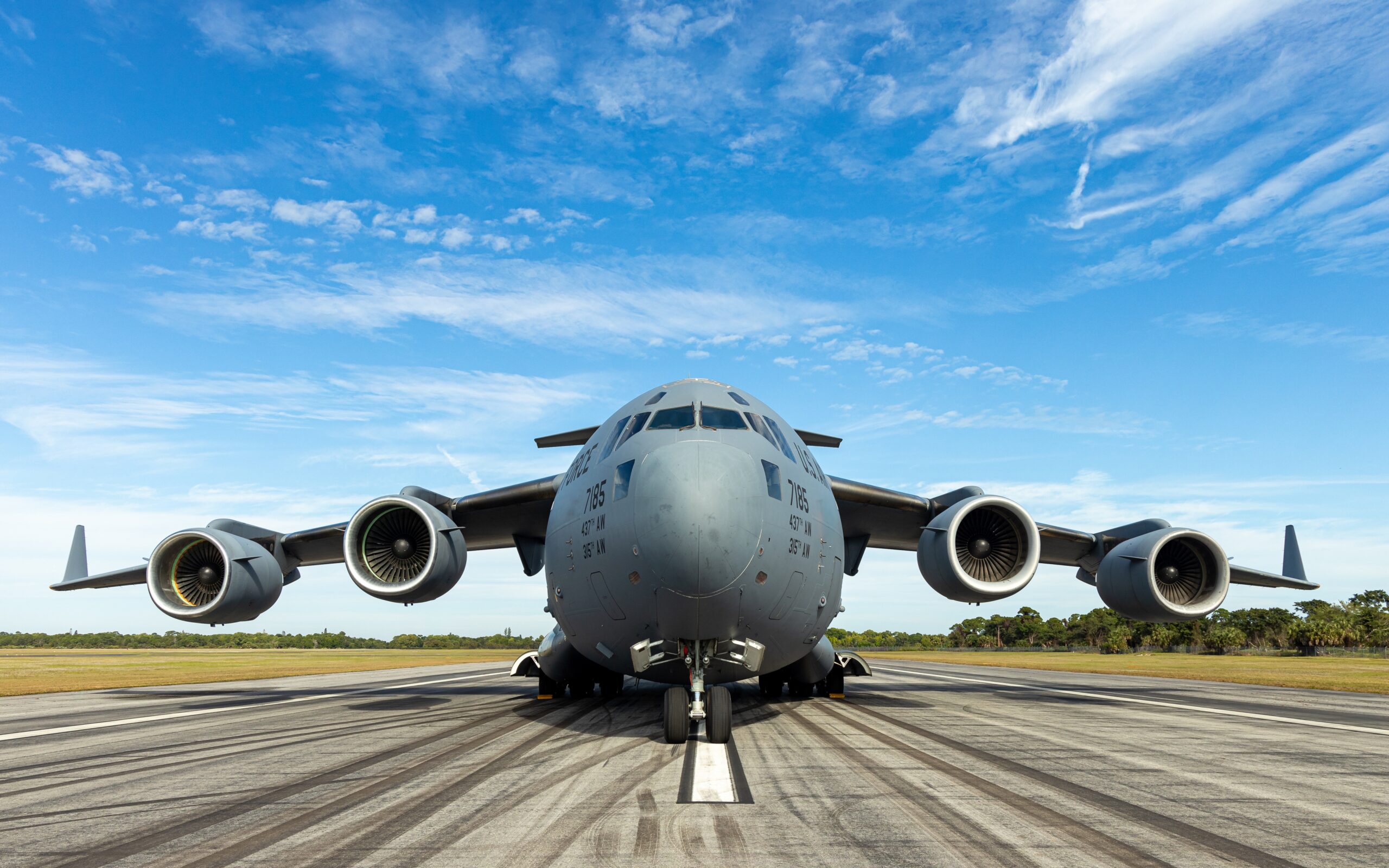
A new C-17 pilot normally progresses from formal Initial Qualification Training to unit Mission Qualification Training and certification, then develops toward aircraft-commander, instructor and evaluator responsibilities. The process is based on completed training, evaluations, performance, experience, commander certification and unit needs—not one universal hour counter.
This page explains public qualification terminology without reproducing checklists, currency tables or operating procedures. Current Air Force manuals, courseware and unit training offices control actual requirements.
Qualification, mission readiness and crew position are different
These terms answer different questions:
- Qualification: has the pilot completed the required training and evaluation for the aircraft and position?
- Mission readiness: has the pilot completed the applicable mission training and certification for the unit’s assigned tasks?
- Crew position: is the pilot serving as a qualified pilot, aircraft commander, instructor or evaluator?
- Currency: has the pilot completed required recent events within their prescribed windows?
An article that labels BMC, CMR and aircraft commander as three universal “levels” oversimplifies the system. Readiness categories, designations and mission certifications can vary by command, component and assigned mission.
1. Initial Qualification Training
Initial Qualification Training establishes C-17 aircraft qualification. The public C-17 training manual says the primary method is the appropriate formal course listed through the Air Force training system. Altus Air Force Base delivers formal C-17 aircrew training using technical instruction, simulators and aircraft events.
Pilot Initial Qualification graduates are tracked as qualified pilots after formal training. That does not automatically make a new graduate a certified C-17 aircraft commander.
2. Mission Qualification Training and certification
After formal training, the gaining unit completes applicable Mission Qualification Training and certification. The C-17 manual separates this unit phase from IQT and identifies minimum criteria leading to unit mission-ready certification.
The required mission events depend on the unit and position. A pilot may therefore be aircraft-qualified while still completing the training needed for the unit’s mission-ready status.
3. Mobility Pilot Development
The public C-17 manual describes Mobility Pilot Development phases that build knowledge, flying skill, situational awareness, mission understanding and crew-management experience in preparation for aircraft-commander upgrade.
Development is not a guaranteed promotion on a fixed anniversary. Training records, evaluations, performance, experience and unit recommendations affect progression.
4. Aircraft commander upgrade
The manual defines Mission Pilot as a fully certified and qualified aircraft commander. For pilots progressing through the development program, aircraft-commander upgrade includes the applicable training and evaluation process and culminates in commander review and certification.
The unit determines suitability and timing using performance, experience, requisite flight time and current requirements. A public article should not turn one historical minimum or typical range into a promise that every pilot upgrades at that hour mark.
5. Instructor Pilot
An Instructor Pilot is qualified to provide instruction within the scope of the applicable certification. Selection requires more than total time: the pilot must meet current prerequisites, complete the required training and evaluation, and be certified through the governing process.
Instructor status is a flying qualification, not the same thing as holding a leadership job such as flight commander or operations officer.
6. Evaluator Pilot
An Evaluator Pilot performs formal evaluations within the authorized scope. This position requires instructor-level foundation plus evaluator training, qualification and designation under the current standards-and-evaluation program.
Not every experienced aircraft commander becomes an instructor, and not every instructor becomes an evaluator. Unit needs, performance and selection matter.
Special mission qualifications
C-17 units may require additional qualifications or certifications for assigned missions such as airdrop, air-refueling receiver operations or other specialized tasks. These are not universal badges every pilot receives in the same sequence.
The official manual and unit training program determine prerequisites, training, evaluation and currency. This page intentionally does not publish procedural detail or fixed event tables.
Continuation training and currency
Qualification must be maintained through continuation training, evaluations and currency. Requirements vary by crew position, mission, command and flying-training level and can change when publications are updated.
Missing a currency event does not necessarily erase every qualification; the governing publication specifies restrictions, regaining actions and documentation. Those decisions belong to the unit training and standards organization.
Leadership is a separate career track
Flight commander, assistant director of operations, director of operations and squadron commander are organizational positions, not sequential C-17 pilot qualifications. Officers may hold leadership roles based on rank, experience, selection and assignment while separately maintaining whatever flying status their position requires.
How long does aircraft-commander upgrade take?
There is no universal public timeline. The Air Force manual ties the decision to performance, experience, requisite flight hours, completed development and unit review. Operational tempo, flying opportunity, individual progress and unit needs all affect timing.
For the preceding formal-school phase, see what C-17 pilot training at Altus covers.
C-17 pilot qualification FAQ
Is a new Altus graduate an aircraft commander?
A Pilot Initial Qualification graduate is tracked as a qualified pilot. Aircraft-commander certification is a separate crew-position process unless the pilot attended and completed an applicable aircraft-commander course and certification path.
What does MP mean?
In the public C-17 training manual, Mission Pilot means a fully certified and qualified aircraft commander.
Is mission ready the same as aircraft qualified?
No. Initial aircraft qualification and unit mission-ready training/certification are related but distinct stages.
Does every C-17 pilot become an instructor?
No. Instructor and evaluator positions require selection, prerequisites, training, evaluation and unit need.
Official sources
- Department of the Air Force: C-17 aircrew training manual
- Altus AFB: C-17 initial qualification structure
- Altus AFB: C-17 Aircraft Commander Initial Qualification prerequisites
Simulator-based fault training is one part of maintaining qualification; see the C-17 hydraulic-system training overview.
Airdrop duties require mission-specific training and qualification; see the C-17 airdrop operations overview.
Qualification and recurring training include time-critical judgment; see the C-17 rejected-takeoff training overview.
Mission qualification can include demanding tactical profiles; see the C-17 low-level flight training guide.

Subscribe for Updates
Get the latest c-17 pilot updates delivered to your inbox.
We respect your privacy. Unsubscribe anytime.