C-17 Engine Failures: Performance, Crew Roles and Training
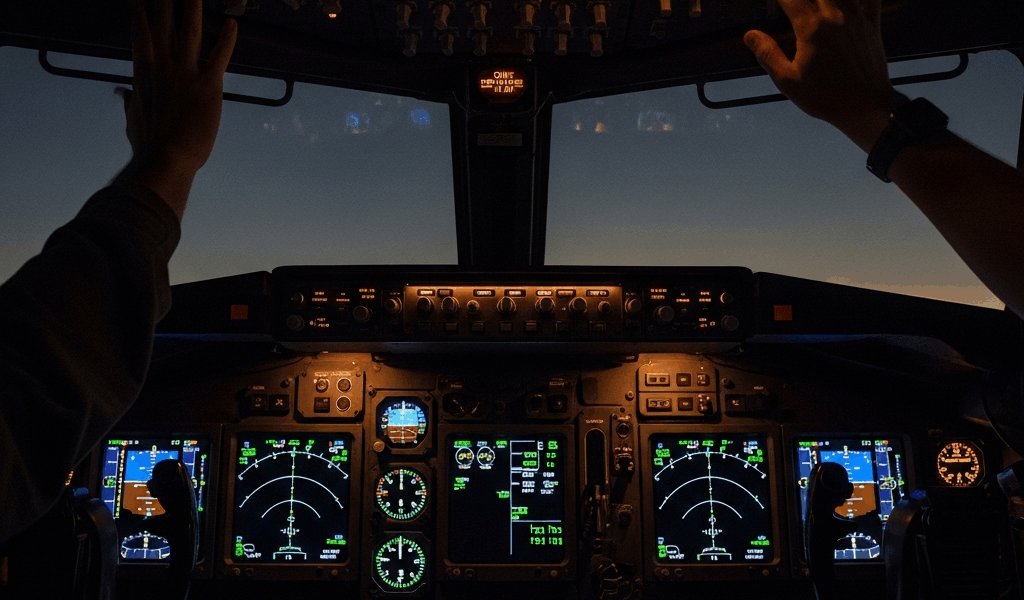
A C-17 engine failure changes thrust, aircraft performance and system availability, but crews train to recognize the condition, maintain control and use the current checklist. The consequences depend on the phase of flight, aircraft weight, weather, runway options, which engine is affected and whether another condition is present.
This public overview explains the aircraft, decision factors and training system. It intentionally omits memory items, throttle movements, isolation steps, restart criteria, engine-out speeds and approach procedures.
What engines power the C-17?
The C-17 uses four Pratt & Whitney F117-PW-100 turbofan engines. The Air Force fact sheet lists 40,440 pounds of thrust per engine.
Four engines provide capability and redundancy, but losing one is still a serious abnormal condition. Available thrust decreases, the aircraft may yaw because thrust is no longer symmetrical, and systems associated with the affected engine may require crew attention.
What can “engine failure” mean?
The phrase can describe several different events, including a loss of thrust, an engine shutdown, fire or overheat indication, compressor problem, abnormal vibration, oil-system indication or another fault. One cockpit message does not necessarily prove the physical cause.
That distinction matters because the appropriate response can differ. Qualified crews verify indications and use the actual approved procedure rather than applying a generic internet checklist.
Why phase of flight matters
An engine problem during takeoff creates different time, runway and climb-performance questions than the same problem at cruise altitude. On approach, the crew must consider configuration, landing performance, weather and the ability to go around or divert.
There is no safe public rule such as “below one speed always stop” or “above it always continue” without the aircraft’s performance data and procedural context. The old article’s V1 instructions, bank limits and fixed decision timelines were removed.
How aircraft weight and weather affect performance
The C-17’s maximum gross takeoff weight is 585,000 pounds, but actual mission weights vary widely. A lighter aircraft generally has more performance margin than a heavier one under the same conditions.
Temperature, elevation, wind, icing, turbulence and runway conditions also affect the available options. Crews calculate performance for the real aircraft and environment using current data.
What the pilots prioritize
At a conceptual level, the crew must maintain aircraft control, understand the indications, preserve situational awareness and coordinate the next safe course of action. One pilot can concentrate on flying while the other manages monitoring, communication and checklist work according to the approved crew concept.
This division of attention is a crew-resource-management principle, not a replacement checklist. The exact actions, verification requirements and callouts remain in controlled guidance.
What the loadmaster contributes
The standard C-17 crew includes two pilots and one loadmaster. The loadmaster does not diagnose the engine or operate flight-deck controls, but maintains awareness of the cargo compartment, passengers and any effects within that area. The loadmaster also supports crew coordination and prepares for the aircraft commander’s decisions within approved duties.
Can the C-17 fly after losing an engine?
Four-engine design provides redundancy, but the accurate answer for a specific event depends on weight, altitude, temperature, configuration, remaining systems and the nature of the failure. An aircraft that can remain airborne may still need to divert promptly.
The previous article made sweeping claims about flying on two engines and sustaining a single-engine loss throughout the entire envelope. Those statements lacked the conditions and performance data necessary to support them and have been removed.
Restart, shutdown or diversion?
Whether a restart is appropriate depends on the indication, cause, aircraft condition and current procedure. A fire indication, mechanical damage and a flameout are not interchangeable events.
The crew also weighs airport suitability, weather, maintenance support, fuel and operational urgency. A diversion is not a failure of the mission; it is one of the options crews plan and train to use.
How pilots train for engine failures
C-17 pilots receive technical instruction, simulator lessons and aircraft training. Air Education and Training Command says the simulator’s main purpose includes exposing students to normal and emergency situations before their first takeoff.
A simulator can present an engine indication during takeoff, climb, cruise or approach while also changing weather, runway and system conditions. Instructors can pause for teaching, repeat the scenario and evaluate crew coordination without risking an aircraft.
Recurring training at regional sites helps qualified pilots practice abnormal and emergency events throughout their careers. Air Force reporting says most situations that can arise on the C-17 can be programmed into its simulators.
How maintainers support engine reliability
Propulsion and aircraft-maintenance specialists inspect, troubleshoot, remove and install C-17 engines using approved technical data and specialized equipment. A 2022 Air Force report describes a 64-hour engine-change course using a dedicated C-17 trainer.
Maintenance findings help determine whether an indication came from the engine, a sensor, wiring, another aircraft system or a combination. That diagnosis should not be guessed from a public description.
Related emergency planning
An engine problem beginning during the takeoff roll may create a rejected-takeoff decision. See the C-17 rejected-takeoff overview for the public decision framework.
For qualification and recurring training, see the C-17 pilot qualification guide.
Why the old step-by-step procedure was removed
The previous article claimed firsthand engine-out experience, published memory items and isolation steps, and prescribed throttle, rudder, automation, restart, takeoff and approach techniques. It also used unsupported performance claims.
Those details can be wrong when separated from the exact indication, conditions and current checklist. The rebuilt article explains the problem without functioning as emergency flight instruction.
C-17 engine-failure FAQ
How many engines does the C-17 have?
Four Pratt & Whitney F117-PW-100 turbofans.
Does one engine failure always require the same response?
No. The indication, phase of flight, aircraft condition, performance and remaining systems all matter.
Are engine failures practiced in the aircraft?
Emergency situations are extensively trained in simulators, where instructors can create demanding conditions safely.
Where are the real procedures?
In current approved C-17 technical orders, checklists and unit training—not this public page.
Official sources
- U.S. Air Force: C-17 engines, thrust, weight and crew
- Air Education and Training Command: C-17 emergency simulator training
- Air Mobility Command: emergency training in C-17 simulators
- U.S. Air Force: C-17 engine-change maintenance training

Subscribe for Updates
Get the latest c-17 pilot updates delivered to your inbox.
We respect your privacy. Unsubscribe anytime.