C-17 Fuel Jettison: Why It Happens and How Crews Train
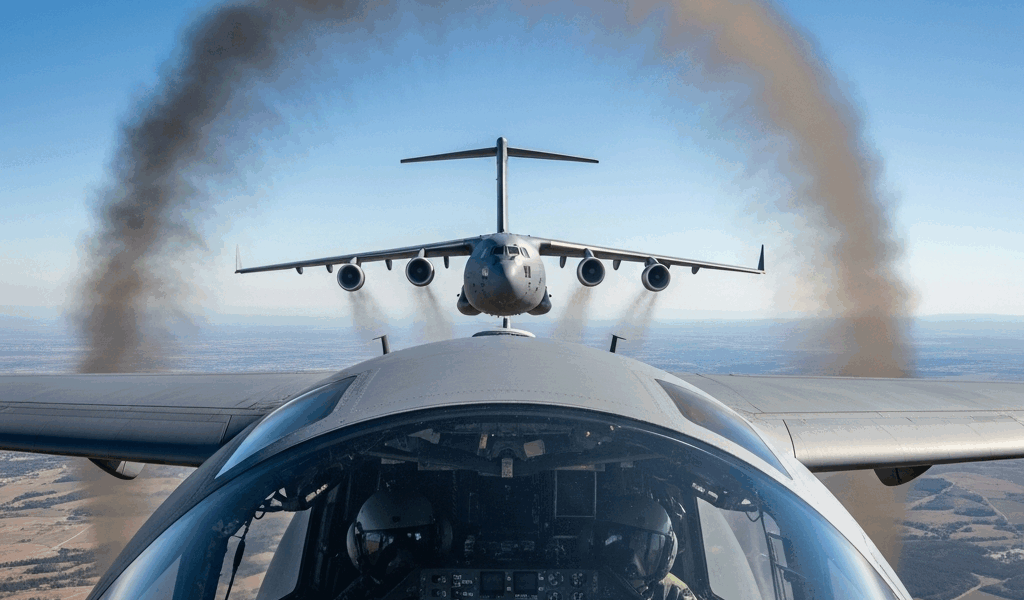
The C-17 has a fuel-jettison capability that can offload fuel when an emergency or mission requirement makes a lower aircraft weight necessary. Fuel jettison is not automatic, routine or required for every early return. The aircraft commander evaluates the emergency, aircraft condition, landing performance, available time and current guidance.
This public overview explains why the capability exists, how air traffic and environmental coordination fit in and how the system is maintained. It intentionally omits switch positions, valve sequences, jettison rates, target weights, altitudes and crew callouts.
What is fuel jettison?
Fuel jettison—often called fuel dumping—is the controlled release of aircraft fuel in flight. It reduces aircraft weight more quickly than simply flying and burning fuel.
Air Force reporting from Joint Base Lewis-McChord confirms that the C-17 has jettison butterfly valves and that maintainers perform operational checks to ensure the system can offload fuel when needed for safe takeoffs and landings.
Why might a C-17 need to jettison fuel?
A C-17 may depart with fuel for a long mission and then need to return or divert earlier than planned. Depending on the aircraft’s weight, condition, runway and urgency, reducing weight can improve landing performance or keep the aircraft within an applicable limitation.
Possible reasons include a medical emergency, aircraft-system problem, changing destination, mission requirement or another safety-of-flight concern. Those examples do not mean fuel must be jettisoned in every case. Crews may have alternatives such as landing at the existing weight when permitted, holding to burn fuel or choosing another suitable runway.
Correcting the old weight claims
The original article claimed the C-17 had an 840,000-pound maximum takeoff weight. That was wrong. The current Air Force fact sheet lists a maximum gross takeoff weight of 585,000 pounds.
It also presented an unsupported universal maximum landing weight, a fixed runway requirement and a single target weight for every emergency. Landing limits and performance depend on aircraft configuration and current approved data; this page does not substitute numbers from an old or unidentified source.
Who manages fuel jettison on a C-17?
The standard C-17 crew is two pilots and one loadmaster. The earlier page incorrectly assigned fuel-jettison duties to a flight engineer, but the C-17 does not have a standard flight-engineer position.
At a high level, the pilots manage the aircraft, emergency decision, navigation, performance and air traffic coordination. The loadmaster manages cargo-compartment responsibilities and contributes to crew coordination within the approved procedure.
How air traffic control fits in
Air Force flight rules say fuel should not be jettisoned except in an emergency or when required for mission accomplishment. When circumstances permit, aircrews provide the appropriate air traffic or flight-service facility with their intentions, altitude, location and completion time.
ATC can protect surrounding traffic and, when the emergency allows, help the crew reach appropriate airspace. ATC coordination does not replace the aircraft commander’s responsibility for the aircraft or the current C-17 checklist.
What about environmental effects?
Jettisoned fuel does not simply “vaporize harmlessly” in every circumstance, as the old page claimed. Dispersion and potential ground impact vary with altitude, weather, amount and location. Air Force guidance includes reporting requirements for fuel jettison, particularly when environmental consequences or public attention are possible.
That is one reason crews coordinate when circumstances permit and use the approved procedures rather than choosing arbitrary altitudes or locations from an online article.
How the C-17 jettison system is maintained
Air Force fuel-systems maintainers inspect and test the aircraft’s jettison components. Joint Base Lewis-McChord reporting shows maintainers connecting equipment at the wing and offloading fuel into bowsers during a jettison butterfly-valve operational checkout.
A ground checkout lets the maintenance team confirm that the system functions without releasing fuel into the environment. The work supports safe aircraft weight management and verifies a capability that crews may depend on during an abnormal situation.
How crews train for fuel emergencies
C-17 initial qualification combines technical instruction, simulator lessons and aircraft training. Air Education and Training Command says simulators expose student pilots to normal and emergency situations before their first takeoff.
Instructors can present an early return, system indication, runway constraint or other emergency in a controlled environment. Students then apply current guidance, calculate performance and coordinate as a crew without creating a real fuel release.
Fuel jettison versus burning fuel
Holding or continuing flight burns fuel gradually. Jettison can reduce fuel weight faster, but it releases fuel and adds airspace, environmental and reporting considerations. The urgency of the emergency may make time the deciding factor.
There is no useful public rule that says one option is always correct. The crew uses the current aircraft condition, time available, performance data, weather, airport options and approved guidance.
Why the old step-by-step procedure was removed
The previous version published invented crew callouts, exact switch actions, jettison rates, altitudes, target weights and time estimates. It also used the wrong crew complement and a grossly incorrect maximum takeoff weight.
Procedure-like instructions are unreliable when they:
- assign actions to a crew position the aircraft does not have;
- use one rate or target for every configuration;
- omit cautions, conditions and concurrent failures;
- replace live performance calculations with fixed examples;
- ignore current airspace, environmental and reporting rules.
Qualified personnel should use the current checklist and technical data. Public readers can understand the purpose, decision factors and training framework without a substitute emergency procedure.
For related aircraft information, see the C-17 fuel-system overview and how C-17 crews train for rejected takeoffs.
C-17 fuel-jettison FAQ
Can a C-17 dump fuel?
Yes. Air Force reporting documents the C-17’s fuel-jettison butterfly valves and maintenance checkout process.
Does every emergency return require fuel jettison?
No. The crew evaluates urgency, aircraft weight and condition, landing performance, runway options and current guidance.
Does a C-17 flight engineer control the system?
No. The standard crew has two pilots and one loadmaster; the old article’s flight-engineer description was incorrect.
What is the exact dump rate?
This page does not publish operational rates or procedures. Crews use current approved aircraft data.
Official sources
- U.S. Air Force: C-17 Globemaster III fact sheet
- Joint Base Lewis-McChord: C-17 fuel-jettison system checkout
- Department of the Air Force: general flight rules and fuel-jettison coordination
- Air Education and Training Command: C-17 emergency simulator training

Subscribe for Updates
Get the latest c-17 pilot updates delivered to your inbox.
We respect your privacy. Unsubscribe anytime.