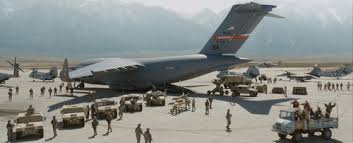
40,440 Pounds of Thrust: The Pratt & Whitney F117 Engine

The heart of the C-17 Globemaster III’s incredible capabilities lies in its four Pratt & Whitney F117-PW-100 turbofan engines. Each engine produces 40,440 pounds of thrust, giving the aircraft a combined 161,760 pounds of power that enables it to perform missions no other airlifter can match. From short-field landings on austere runways to climbing out of mountain valleys with a full combat load, these engines define what makes the C-17 special.

The F117-PW-100: A Military Derivative of Commercial Success

The F117-PW-100 is the military designation for an engine derived from the Pratt & Whitney PW2040, which powers the Boeing 757 commercial airliner. This lineage gives the C-17 several advantages: proven reliability from millions of commercial flight hours, a robust supply chain for parts, and maintainer familiarity across both military and civilian sectors.

However, the F117 isn’t simply a commercial engine painted gray. Pratt & Whitney modified the design specifically for military operations, including:

  • Directed-flow thrust reversers that can deploy in flight and operate at up to 85 knots during ground roll
  • Enhanced durability for operations in austere environments with sand, dust, and debris
  • FADEC integration (Full Authority Digital Engine Control) optimized for tactical flight profiles
  • Bleed air systems designed for military environmental control and anti-icing requirements

Thrust Reversers: The C-17’s Secret Weapon

Perhaps the most distinctive feature of the C-17’s propulsion system is its externally blown flap and thrust reverser combination. Unlike most transport aircraft that can only use thrust reversers after touchdown, the C-17’s directed-flow reversers can deploy in flight, enabling approaches as steep as 15 degrees.

This capability transforms the C-17’s landing performance. While a C-5 Galaxy requires 6,000 feet of runway, the C-17 can land on strips as short as 3,500 feet—and back up using reverse thrust to reposition for takeoff. Pilots routinely use this capability at forward operating locations where there’s no taxiway, simply landing, backing up, and departing the way they came.

The thrust reversers also enable the C-17 to descend rapidly without building excessive airspeed, crucial for tactical approaches into hostile airfields where staying high until the last moment provides protection from ground threats.

FADEC: Digital Brain Behind the Power

Each F117 engine is controlled by a Full Authority Digital Engine Control system that continuously monitors and adjusts engine parameters. The FADEC system manages:

  • Fuel flow optimization for maximum efficiency across all flight regimes
  • Automatic thrust computation during takeoff, approach, and go-around
  • Engine limit protection to prevent over-temp, over-speed, or over-torque conditions
  • Fault detection and isolation for maintenance troubleshooting
  • Thrust reverser deployment sequencing and safety interlocks

For pilots, FADEC means predictable, reliable engine response. Set the throttles to a computed position, and the engines deliver exactly the thrust required. The system also provides autothrottle capability, reducing crew workload during long missions and precision approaches.

Performance Characteristics

The F117’s 40,440-pound thrust rating enables impressive performance even at maximum gross weight of 585,000 pounds:

Parameter Specification
Thrust per engine 40,440 lbs
Total thrust (4 engines) 161,760 lbs
Bypass ratio 5.9:1
Overall pressure ratio 27.6:1
Maximum cruise speed Mach 0.77 (450 knots)
Service ceiling 45,000 feet
Takeoff roll (max weight) 7,740 feet
Landing roll 3,500 feet (with reversers)

The high bypass ratio (5.9:1) means most of the air moved by the engine bypasses the core, providing efficient thrust with relatively low fuel consumption. This efficiency gives the C-17 a range of 2,400 nautical miles with a 160,000-pound payload—or global reach with aerial refueling.

Engine Starting and Ground Operations

The F117 engines can be started using the aircraft’s Auxiliary Power Unit (APU) or external air and electrical power. The typical start sequence takes approximately 90 seconds per engine, with pilots monitoring EGT (Exhaust Gas Temperature), N1 and N2 spool speeds, and oil pressure.

A unique feature of C-17 ground operations is the ability to taxi on just two engines to conserve fuel during long ground movements. The aircraft handles predictably with asymmetric thrust, and pilots commonly start the remaining engines during taxi to the runway.

Maintenance and Reliability

The F117’s commercial heritage provides exceptional reliability. Mean Time Between Failures (MTBF) exceeds 10,000 flight hours, and the modular design allows component replacement without removing the entire engine from the aircraft.

Key maintenance considerations include:

  • Borescope inspections of compressor and turbine sections at scheduled intervals
  • Oil analysis to detect early signs of bearing or gear wear
  • FADEC software updates to incorporate performance improvements and address discovered issues
  • Thrust reverser rigging checks to ensure proper deployment geometry
  • Foreign Object Damage (FOD) prevention during austere field operations

Loadmasters and crew chiefs play crucial roles in engine care, particularly during operations at unprepared airfields. Walking the runway for FOD, positioning the aircraft to minimize debris ingestion during engine start, and monitoring for bird activity are standard procedures.

Engine-Out Performance

The C-17 is designed to continue its mission even with an engine failure. With three engines operating, the aircraft can maintain altitude and continue to destination at reduced cruise speed. Even with two engines on the same side inoperative, the C-17 can maintain controlled flight—though such scenarios are practiced in simulators rather than experienced operationally.

The flight control system automatically compensates for asymmetric thrust, adjusting rudder and aileron to maintain coordinated flight. Pilots receive clear indications of the failed engine and can secure it (shutting off fuel and hydraulics) with a single switch action.

Future Engine Developments

As the C-17 fleet is planned to remain in service until 2075, engine sustainment is a priority. The Air Force has invested in:

  • Component improvement programs to extend time between overhauls
  • Alternative fuel certification for synthetic and bio-derived jet fuels
  • Enhanced diagnostics through predictive maintenance algorithms
  • Additive manufacturing of selected replacement parts

While a complete engine replacement program isn’t currently planned, the Air Force continuously evaluates options to maintain the C-17’s performance edge throughout its extended service life.

Conclusion

The Pratt & Whitney F117-PW-100 engines are what transform the C-17 from a large transport into a tactical airlifter capable of operating where others cannot. Their combination of raw power, sophisticated control systems, and unique thrust reverser capabilities enables the short-field performance that defines the C-17’s mission. For pilots and maintainers alike, understanding these engines is fundamental to maximizing what the Globemaster III can accomplish.

Jason Michael

Jason Michael

Author

Jason Michael is a Pacific Northwest gardening enthusiast and longtime homeowner in the Seattle area. He enjoys growing vegetables, cultivating native plants, and experimenting with sustainable gardening practices suited to the region's unique climate.

✈️ Get the latest C-17 news & insider content

Shop C-17 Gear

Subscribe for Updates

Get the latest articles delivered to your inbox.