The Global C-17 Fleet 222 Aircraft in 8 Countries
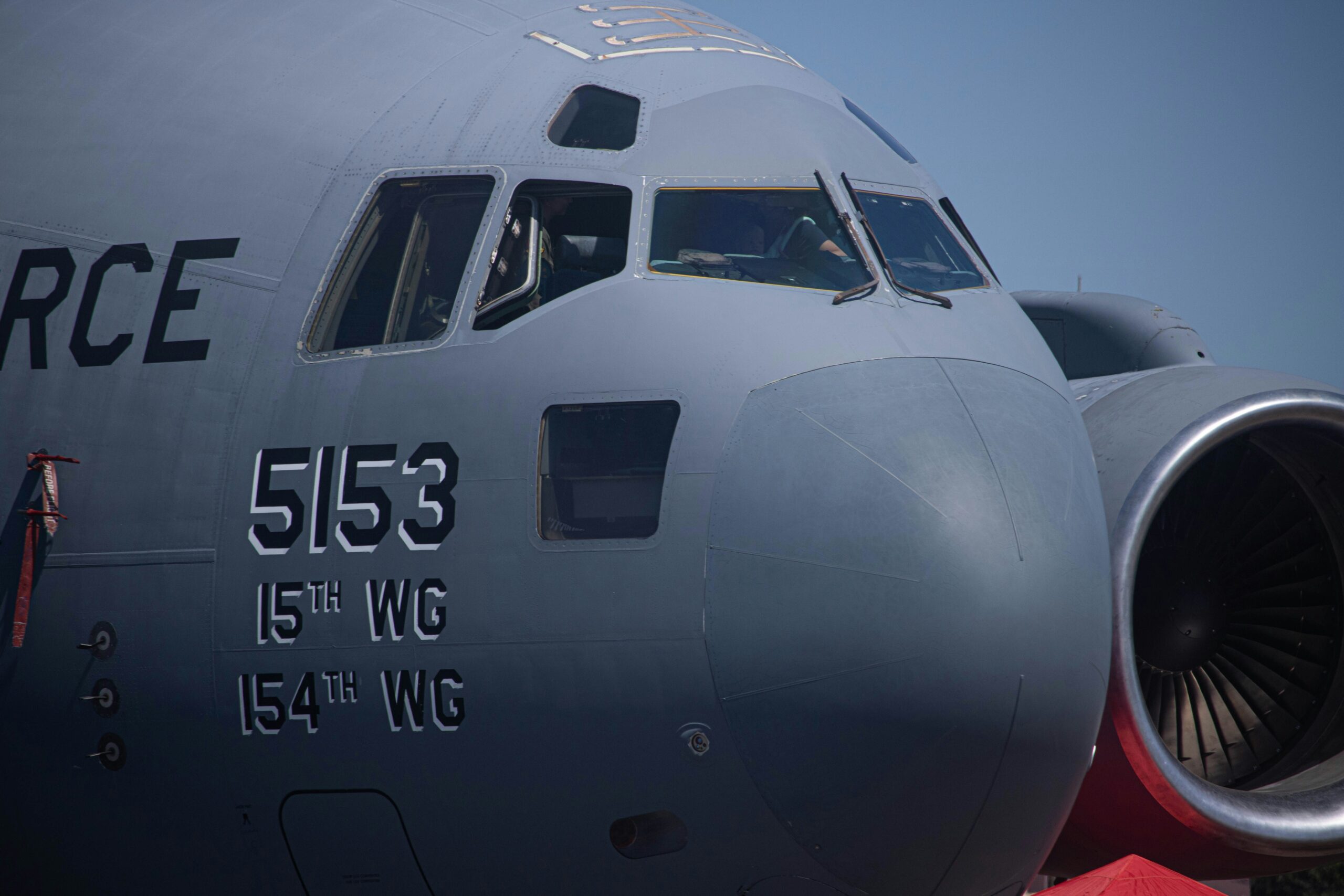
The C-17 Globemaster III fleet represents one of the most successful strategic airlift programs in aviation history. With 279 aircraft delivered between 1991 and 2015, the C-17 serves with eight nations and continues to define global airlift capability.
But the story isn’t just about numbers. It’s about how different countries use these aircraft, why they chose the C-17 over alternatives, and what this fleet means for global military mobility.
Let me break down the entire global C-17 fleet—who operates them, how many they have, and what missions they’re flying.
The Complete Global Fleet
As of 2026, here’s the complete breakdown of C-17 operators worldwide:
United States Air Force: 222 aircraft
United Kingdom (RAF): 8 aircraft
Australia (RAAF): 8 aircraft
Canada (RCAF): 5 aircraft
Qatar (Qatar Emiri Air Force): 8 aircraft
United Arab Emirates (UAE): 6 aircraft
India (Indian Air Force): 11 aircraft
Kuwait (Kuwait Air Force): 2 aircraft
NATO Strategic Airlift Capability: 3 aircraft
Total Global Fleet: 273 aircraft currently operational
Another 6 aircraft were built for testing and development, bringing total production to 279 aircraft before Boeing closed the production line in November 2015.
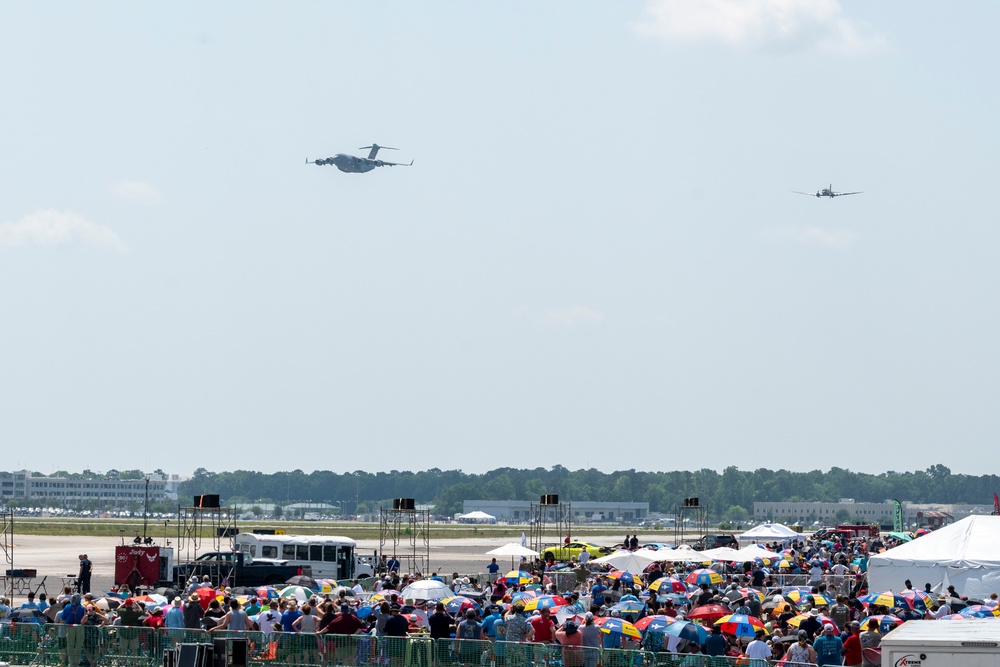
United States Air Force: The Dominant Operator
The USAF operates by far the largest C-17 fleet, with 222 aircraft distributed across active duty, Air National Guard, and Air Force Reserve units.
Active Duty Squadrons
The active duty fleet includes C-17s stationed at:
Joint Base Lewis-McChord, Washington (McChord Field)
– 62nd Airlift Wing
– 4th Airlift Squadron, 7th Airlift Squadron, 8th Airlift Squadron
– C-17 Formal Training Unit (trains all USAF C-17 pilots)
Joint Base Charleston, South Carolina
– 437th Airlift Wing
– 14th Airlift Squadron, 15th Airlift Squadron, 16th Airlift Squadron, 17th Airlift Squadron
– C-17 Formal Training Unit (along with McChord)
Travis Air Force Base, California
– 60th Air Mobility Wing
– 6th Airlift Squadron, 21st Airlift Squadron
Dover Air Force Base, Delaware
– 436th Airlift Wing
– 3rd Airlift Squadron, 9th Airlift Squadron
Joint Base Pearl Harbor-Hickam, Hawaii
– 15th Wing
– 535th Airlift Squadron
Elmendorf Air Force Base, Alaska
– 3rd Wing
– 517th Airlift Squadron
Altus Air Force Base, Oklahoma
– 97th Air Mobility Wing
– Formal training aircraft (not operational squadron)
These active duty units handle the bulk of strategic airlift missions—combat deployments, humanitarian operations, and worldwide cargo and passenger movement.
Air National Guard Squadrons
The Air National Guard operates a substantial C-17 fleet at multiple locations:
Stewart Air National Guard Base, New York
– 105th Airlift Wing
– 137th Airlift Squadron
Wright-Patterson AFB, Ohio
– 445th Airlift Wing (Air Force Reserve, but worth mentioning)
– 89th Airlift Squadron
March Air Reserve Base, California
– 452nd Air Mobility Wing
– 730th Airlift Squadron
Jackson-Medgar Wiley Evers International Airport, Mississippi
– 172nd Airlift Wing
– 183rd Airlift Squadron
Charlotte Douglas International Airport, North Carolina
– 145th Airlift Wing
– 156th Airlift Squadron
Memphis International Airport, Tennessee
– 164th Airlift Wing
– 155th Airlift Squadron
The Guard units provide both domestic support (disaster response, civil emergencies) and supplement active duty units for overseas operations.
USAF Mission Profile
The U.S. Air Force uses its C-17 fleet for an incredibly diverse mission set:
Strategic airlift: Moving cargo and personnel between major bases worldwide
Tactical airlift: Delivering cargo to forward operating bases and austere airfields
Airdrop operations: Personnel and equipment drops for airborne operations
Humanitarian missions: Disaster relief, medical evacuation, food delivery
VIP transport: Moving senior government and military officials
Medical evacuation: Configured as flying hospitals for mass casualty events
Special operations support: Supporting SOF missions globally
The USAF’s C-17 fleet moved over 4 million passengers and 1.3 million short tons of cargo in recent years—an operational tempo that dwarfs any other airlift program.
United Kingdom: RAF’s Strategic Enabler
The Royal Air Force operates 8 C-17s (they use the designation C-17A Globemaster III or ZZ171-ZZ178) based at RAF Brize Norton in Oxfordshire.
The UK was the first international customer, receiving their first aircraft in 2001. These eight aircraft transformed the RAF’s strategic airlift capability, replacing the aging VC-10 and supplementing the smaller C-130 Hercules fleet.
UK Missions
The RAF uses its C-17s extensively:
– Afghanistan and Middle East operations (sustained for over a decade)
– Humanitarian missions (Caribbean hurricane relief, Asian disaster response)
– Falkland Islands resupply (regular strategic airlift to the South Atlantic)
– Europe-based operations supporting NATO commitments
– COVID-19 response (medical supply delivery, repatriation flights)
Probably should mention that the UK’s eight aircraft have an incredibly high utilization rate. British C-17s are among the most-flown in the world per aircraft, regularly deploying on long-range missions.
The RAF established a partnership with Boeing for maintenance support, ensuring high readiness rates despite the small fleet size. This sustainment model has been so successful that other operators have studied it.
Australia: RAAF’s Long-Reach Capability
The Royal Australian Air Force operates 8 C-17s (designated A41-206 through A41-213) based at RAAF Base Amberley in Queensland.
Australia received its first C-17 in 2006 and the final aircraft in 2015. These aircraft represent the RAAF’s premier heavy airlift capability, complementing the C-130J Hercules and C-27J Spartan fleets.
Why Australia Needed C-17s
Australia’s geography creates unique airlift challenges. The country is isolated from major allies, surrounded by water, and responsible for a massive area including remote territories and island nations in the Pacific.
The C-17 solved several problems:
– Long-range deployment capability to Middle East operations
– Humanitarian assistance throughout the Pacific region
– Domestic disaster response across Australia’s vast distances
– Heavy equipment transport that smaller aircraft couldn’t handle
RAAF Operations
Australian C-17s have supported:
– Afghanistan operations (moving troops and equipment from Australia to Middle East)
– Pacific humanitarian missions (Samoa, Tonga, Vanuatu disaster relief)
– Search and rescue operations (Malaysian Airlines MH370 search)
– Bushfire response (moving firefighting equipment and personnel)
– COVID-19 repatriation and medical supply missions
– Antarctic resupply (supporting Australian Antarctic research stations)
The RAAF’s C-17s often fly some of the longest missions in the fleet, routinely conducting transpacific flights and extended-range operations that push the aircraft’s capabilities.
Canada: RCAF’s Strategic Backbone
The Royal Canadian Air Force operates 5 C-17s (designated CC-177 Globemaster III, tail numbers 177701-177705) based at CFB Trenton in Ontario.
Canada received its C-17s between 2007 and 2015, replacing the aging CC-137 (Boeing 707) for strategic airlift. The fleet operates with 429 Transport Squadron.
Canadian Mission Profile
Canadian C-17s support:
– Arctic operations (northern Canada resupply and sovereignty missions)
– NATO commitments in Europe and operations worldwide
– Haiti disaster relief (extensive operations after 2010 earthquake)
– Afghanistan operations (troop and equipment movements)
– COVID-19 response (medical supply delivery, repatriation)
– Training support for Canadian Armed Forces deployments
The Canadian fleet has an excellent readiness record. Despite being relatively small, the RCAF maintains high mission capability rates through effective maintenance and crew training programs.
Canada’s C-17s have also supported unique missions like moving large shipments of humanitarian supplies to crisis areas and transporting Canadian government officials on official state visits.
Qatar: Regional Power Projection
The Qatar Emiri Air Force operates 8 C-17s, making Qatar the largest Middle Eastern operator.
Qatar ordered its first four C-17s in 2008, with deliveries completed by 2012. In 2015, Qatar ordered four additional aircraft, bringing the fleet to eight—the final C-17s Boeing produced before closing the production line.
Why Qatar Invested Heavily
Qatar’s C-17 purchase was about regional influence and military modernization. As a small but wealthy nation, Qatar wanted:
– Independent strategic airlift capability
– Ability to support coalition operations
– Humanitarian mission capability enhancing regional prestige
– Military modernization demonstrating commitment to defense
Qatari Operations
Qatar’s C-17s have supported:
– Coalition operations in Yemen and Syria
– Humanitarian missions throughout the Middle East
– Afghanistan operations supporting coalition forces
– Domestic missions within Qatar
– Regional partnership exercises
The Qatari fleet is based at Al Udeid Air Base, which also hosts significant U.S. military presence. This co-location facilitates cooperation and shared logistics support.
Qatar’s investment in C-17s gave them outsized influence in regional operations. When humanitarian crises emerge, Qatar can deploy aid quickly and visibly, building diplomatic capital.
United Arab Emirates: Quiet Professional
The UAE operates 6 C-17s, though specific details about their operations are less publicly available than other operators.
The UAE received its C-17s between 2011 and 2012, enhancing an already sophisticated air force that operates a diverse fleet of modern aircraft.
UAE Missions
While less publicized than other operators, UAE C-17s support:
– Yemen operations (coalition airlift and support)
– Regional military operations
– Humanitarian missions in Africa and Middle East
– Training and exercise participation
– Strategic airlift supporting UAE military deployments
The UAE’s C-17s are based at Al Dhafra Air Base near Abu Dhabi. The UAE maintains a professional, capable air force, and their C-17 operations reflect this standard.
India: Strategic Autonomy
The Indian Air Force operates 11 C-17s, making India the largest C-17 operator outside the United States.
India ordered 10 aircraft in 2011 in a $4.1 billion deal, with deliveries completed between 2013 and 2015. India ordered an additional aircraft in 2014, bringing the total to 11.
Why India Chose the C-17
India’s strategic situation drove the C-17 purchase:
– Massive country requiring long-range airlift
– Border tensions with Pakistan and China requiring rapid deployment capability
– Himalayan operations needing aircraft capable of high-altitude austere field operations
– Desire for strategic autonomy reducing reliance on other nations
– Replacing aging Soviet-era Il-76 airlifters
The C-17 provides India with capabilities no other aircraft in their inventory can match. The ability to land heavy cargo at high-altitude airfields in the Himalayas is particularly valued.
Indian Operations
Indian C-17s have supported:
– Border operations near China and Pakistan
– Disaster relief (Nepal earthquake, Kerala floods)
– Evacuation operations (Yemen evacuation of Indian nationals)
– Humanitarian missions throughout South Asia
– COVID-19 response (medical supply delivery domestically and to neighboring countries)
– Antarctic missions (supporting Indian Antarctic research)
India’s C-17s are based at multiple locations including Hindan Air Force Station near Delhi. The fleet sees intensive use, and India has consistently expressed interest in acquiring additional aircraft if production were to restart.
India’s experience with the C-17 has been largely positive, though maintaining such a sophisticated Western aircraft requires different logistics than India’s traditional Soviet-origin fleet.
Kuwait: Compact Capability
Kuwait operates 2 C-17s, the smallest national fleet.
Kuwait received its aircraft in 2014, making it the final new customer before production ended. The small fleet supplements Kuwait’s existing airlift capability.
Kuwaiti Operations
Kuwait’s C-17s support:
– Regional coalition operations
– Humanitarian missions
– Support for Kuwaiti military exercises
– Strategic cargo movement
With only two aircraft, Kuwait’s fleet is more limited, but it provides valuable capability the smaller C-130 fleet cannot match for outsize cargo and long-range missions.
NATO Strategic Airlift Capability: Multinational Solution
The NATO Strategic Airlift Capability (SAC) operates 3 C-17s based at Pápa Air Base in Hungary. This unique program allows multiple NATO nations to access strategic airlift without purchasing aircraft individually.
SAC Members
Current SAC members include:
– Bulgaria
– Estonia
– Hungary
– Lithuania
– Netherlands
– Norway
– Poland
– Romania
– Slovenia
– United States
– Finland (partner)
– Sweden (partner)
Each member nation contributes funding and receives flight hours proportional to their investment. This cost-sharing model makes strategic airlift accessible to smaller nations that couldn’t justify purchasing C-17s independently.
SAC Operations
The SAC fleet supports:
– NATO operations and exercises
– Member nation requirements (troop movements, cargo airlift)
– Humanitarian missions
– Disaster response
– Training and partnership activities
The SAC program has been remarkably successful, demonstrating that multinational airlift operations can work effectively with proper organization and governance.
The Production Story
Boeing’s C-17 production began in the early 1990s and continued until November 2015, when the final aircraft (a Qatari C-17) rolled off the production line in Long Beach, California.
Production Timeline
– First flight: September 15, 1991
– First USAF delivery: June 14, 1993
– First international delivery: May 2001 (United Kingdom)
– Peak production: 15-16 aircraft per year
– Final aircraft delivered: November 2015
– Total production: 279 aircraft
Boeing fought for years to keep the production line open, arguing that international demand remained strong. However, the USAF—by far the largest customer—had completed its purchases, and remaining international demand wasn’t sufficient to justify continued production.
The closure of the production line means no new C-17s can be built without enormous expense to restart manufacturing. This makes the existing fleet increasingly valuable.
Cost Analysis
C-17 pricing varied over the production run, but late-production aircraft cost approximately:
– Flyaway cost: $218-250 million per aircraft
– Full program cost including development: Higher per-unit cost for early aircraft
– Sustainment costs: Approximately $25-30 million per aircraft annually for operations and maintenance
The high cost limited potential customers. Many nations that might benefit from C-17 capability couldn’t justify the expense and opted for smaller, cheaper alternatives like the A400M or additional C-130s.
Alternatives and Why Countries Chose the C-17
When nations evaluated strategic airlift options, the C-17 competed against several alternatives:
Airbus A400M
The European-developed A400M offers good capability at lower cost but:
– Smaller cargo capacity than C-17
– Less mature program with more developmental issues
– Better suited for tactical airlift than strategic missions
– Preferred by European nations for industrial cooperation reasons
C-130J Hercules
The C-130J is cheaper and widely used but:
– Much smaller cargo capacity
– Shorter range
– Cannot carry outsize cargo
– Better for tactical missions than strategic airlift
Antonov An-124
The massive An-124 offers greater cargo capacity but:
– Russian/Ukrainian design politically challenging for many nations
– Limited availability and support
– Less versatile for tactical missions
– Higher operating costs
Most nations chose the C-17 because it uniquely combines strategic capacity with tactical flexibility. No other aircraft can carry large cargo loads to austere airfields with short runways.
The Future of the Global Fleet
With production ended, the existing C-17 fleet becomes more valuable each year. Nations that operate C-17s have a capability that cannot be easily replaced.
Service Life Extension
The USAF and other operators are investing in service life extension programs to keep C-17s flying for decades. Current plans anticipate the fleet remaining operational until at least 2050 or beyond.
Upgrades include:
– Avionics modernization
– Structural inspections and repairs
– Engine upgrades
– Communication and navigation system improvements
– Defensive systems enhancements
Potential New Operators
With production ended, new operators would need to purchase used aircraft. The USAF has occasionally discussed potentially selling small numbers of aircraft to trusted allies, but no concrete plans exist.
Some nations that evaluated but didn’t purchase C-17s (like Brazil, Saudi Arabia, and Jordan) might still be interested if aircraft became available on the secondary market.
Operational Impact
The global C-17 fleet has fundamentally changed military airlift operations since the 1990s. Before the C-17, strategic airlift meant flying between established airbases with long runways. Tactical airlift meant smaller aircraft with limited cargo capacity.
The C-17 bridged this gap, allowing nations to:
– Deploy heavy forces quickly to remote locations
– Conduct humanitarian missions to disaster areas lacking infrastructure
– Respond to crises with immediate, substantial airlift
– Project power globally without relying on local infrastructure
For smaller operators like Australia, Canada, and the UK, the C-17 eliminated dependence on U.S. airlift for strategic deployments. This independence has real strategic value.
For the United States, the massive C-17 fleet provides unmatched global mobility. No other nation can move forces and cargo worldwide with the speed and flexibility the USAF demonstrates routinely.
The Bottom Line
The global C-17 fleet of 273 operational aircraft represents a remarkable success story. From initial skepticism about whether the aircraft would work as advertised to becoming the defining strategic airlifter of the modern era, the C-17 has exceeded expectations.
The United States dominates the fleet with 222 aircraft, but international operators have proven equally capable. The UK, Australia, Canada, Qatar, UAE, India, Kuwait, and the NATO SAC program all operate their C-17s professionally and effectively.
With production ended, these aircraft will become increasingly valuable. Nations that operate C-17s have a capability that cannot be replicated without them. The aircraft will likely remain in service for another 25-30 years, continuing to define strategic airlift capability well into the mid-21st century.
For anyone interested in military aviation, the C-17 fleet tells a story about how capability, politics, and economics intersect. The aircraft works brilliantly, but only nations with substantial defense budgets can afford it. Those that can have gained a capability that provides genuine strategic advantage.
The 279 C-17s built represent not just an aircraft fleet, but a fundamental enhancement of global military mobility that will shape operations for decades to come.

Subscribe for Updates
Get the latest c-17 pilot updates delivered to your inbox.
We respect your privacy. Unsubscribe anytime.