How C-17 Crews Deliver 100 Tons of Hope After Disasters
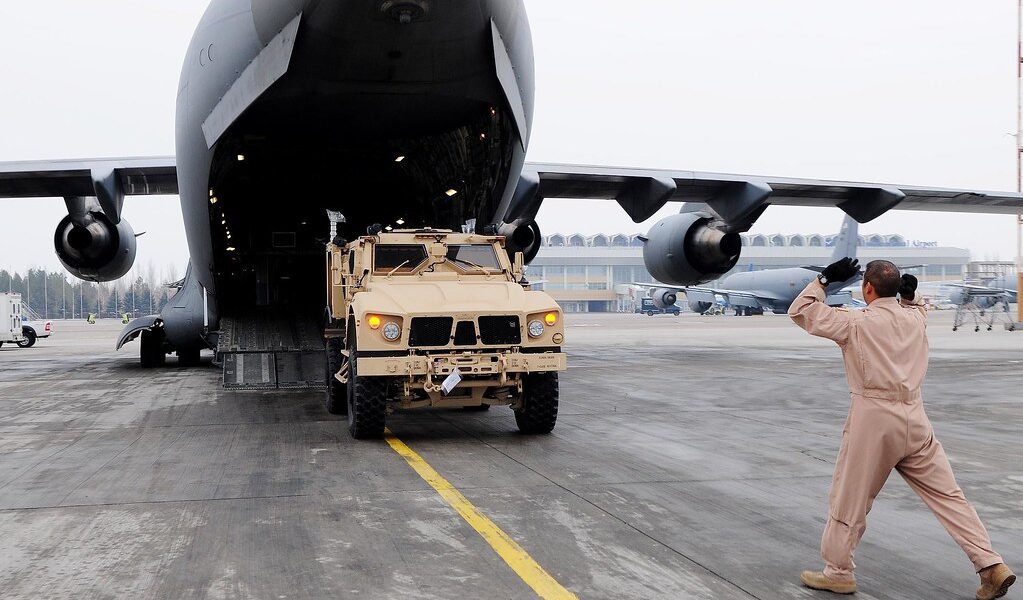
When disaster strikes—earthquakes, tsunamis, hurricanes, or humanitarian crises—the C-17 is often among the first aircraft on scene. The same capabilities that make it a formidable military airlifter—short field performance, outsized cargo capacity, and global range—make it invaluable for delivering hope to devastated communities. Over three decades, C-17 crews have transported millions of pounds of relief supplies and evacuated thousands of survivors from some of the world’s worst catastrophes.
Why the C-17 Excels at Humanitarian Missions
Access to Austere Locations
Disasters often damage or destroy transportation infrastructure. The C-17’s ability to land on short, damaged, or unprepared runways means relief can reach areas that other heavy aircraft can’t access:
- Earthquake-damaged runways with cracks and debris
- Flooded airports with only partially usable surfaces
- Remote locations with minimal runway length
- Grass strips when paved options are unavailable
Outsized Cargo Capability
Relief operations often require equipment too large for standard cargo aircraft:
- Helicopters for local distribution and rescue
- Heavy construction equipment for debris removal
- Water purification systems
- Mobile hospitals and medical equipment
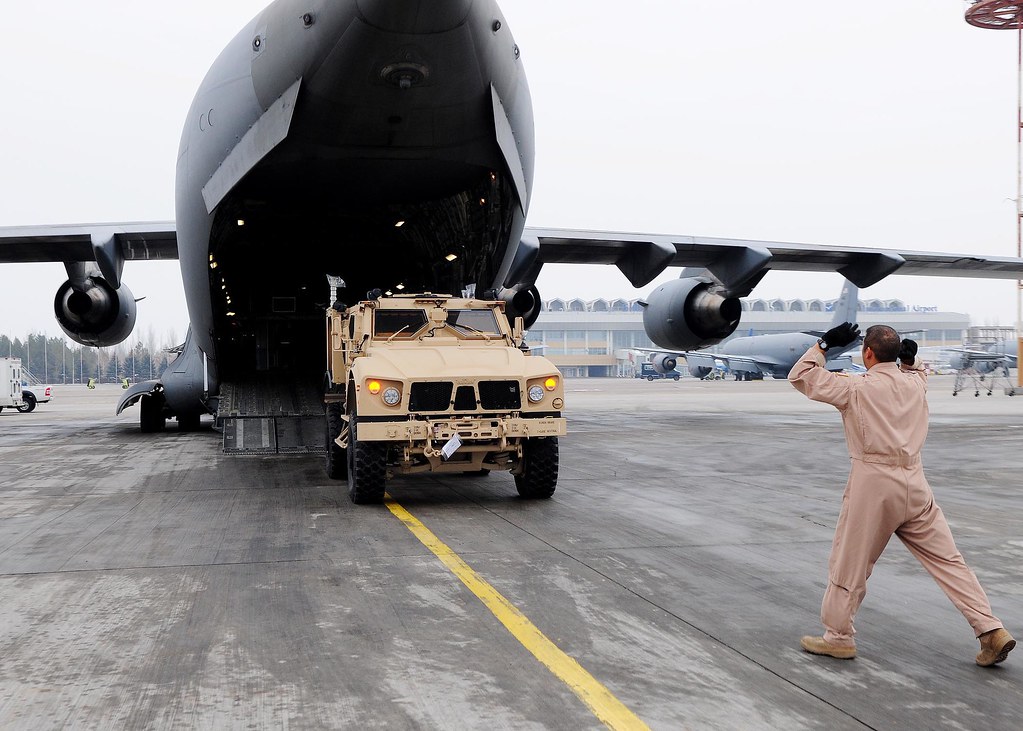
- Trucks and vehicles for ground logistics
The C-17 can carry these items where smaller aircraft cannot, often delivering directly to affected areas rather than distant staging bases.
Rapid Deployment
The C-17’s speed and range mean help arrives quickly:
- 5,000+ mile range with heavy cargo
- 450+ knot cruise speed
- Minimal ground support requirements for operations
- Self-sufficient with APU for power and air conditioning
Major Humanitarian Operations
2010 Haiti Earthquake
When a magnitude 7.0 earthquake devastated Port-au-Prince, C-17s were among the first aircraft to respond:
- First C-17 landed within 24 hours of the earthquake
- Delivered search and rescue teams with equipment
- Brought mobile hospitals and medical supplies
- Evacuated critically injured survivors to hospitals in the U.S.
Port-au-Prince’s damaged airport became one of the busiest in the world, with C-17s cycling through continuously despite challenging conditions.
2004 Indian Ocean Tsunami
The devastating tsunami that killed over 230,000 people triggered one of the largest humanitarian airlifts in history:
- C-17s delivered relief supplies to Indonesia, Sri Lanka, Thailand
- Transported helicopters for local distribution
- Brought water purification equipment to affected areas
- Supported operations for months as recovery continued
2011 Japan Earthquake and Tsunami
Following the Tohoku earthquake and tsunami:
- C-17s delivered radiation detection equipment
- Transported rescue teams and supplies
- Evacuated U.S. military dependents from affected areas
- Supported ongoing relief operations
2021 Afghanistan Evacuation
While primarily a military operation, the evacuation of civilians from Kabul became a massive humanitarian effort:
- A single C-17 carried 823 people in one flight
- Thousands evacuated over days of operations
- Demonstrated flexibility for passenger evacuation
Medical Evacuation Configuration
The C-17 transforms into a flying hospital for aeromedical evacuation:
Patient Capacity
- Litter patients: Up to 36 on standard stanchions
- Ambulatory patients: Up to 54 in airline-style seats
- Mixed configurations: Combinations based on patient needs
- Critical care: Intensive care capability with life support equipment
Medical Equipment
Specialized equipment for in-flight care includes:
- Supplemental oxygen systems
- Cardiac monitors and defibrillators
- Ventilators for respiratory support
- IV pumps and medical supplies
Critical Care Air Transport Teams
For the most seriously injured, Critical Care Air Transport Teams (CCATT) provide intensive care capability:
- Physician, nurse, and respiratory therapist
- Full ICU-level equipment
- Capability to manage multiple critical patients
- Enables transport of patients too unstable for regular evacuation
Cargo for Humanitarian Missions
Typical Relief Supplies
A single C-17 sortie can carry:
- 170,000 bottles of water
- 30,000 MREs (meals ready to eat)
- Thousands of blankets, tents, or tarps
- Complete mobile medical facility
- Multiple vehicles for ground distribution
Specialized Equipment
- Water purification: Reverse osmosis units producing thousands of gallons daily
- Power generation: Generators for hospitals and command centers
- Communications: Satellite systems for coordination
- Construction: Backhoes and forklifts for debris removal
Airdrop for Humanitarian Relief
When landing isn’t possible, the C-17 can deliver supplies by airdrop:
Container Delivery System
- Palletized supplies extracted by parachute
- Precision airdrop systems for accuracy
- Capable of reaching isolated communities
- Delivery of up to 170,000 pounds per sortie
Operational Challenges
Humanitarian airdrop requires careful planning:
- Safe drop zones away from people and structures
- Coordination with ground teams for recovery
- Weather conditions suitable for parachute operations
- Security for distribution of supplies
International Cooperation
Humanitarian operations often involve multiple nations:
Partner Nation Participation
All eight C-17 operating nations have contributed to humanitarian missions. Royal Australian Air Force, Royal Air Force, and other partner C-17s regularly support relief operations alongside U.S. aircraft.
Multinational Coordination
- Shared airlift coordination centers
- Common procedures for air traffic management
- Interoperable communications
- Combined loading and unloading operations
Challenges in Humanitarian Operations
Operational Limitations
- Damaged or congested airports limit throughput
- Security concerns in conflict-affected areas
- Weather constraints particularly for airdrop
- Coordination with multiple relief organizations
Crew Considerations
Humanitarian missions are emotionally demanding:
- Witnessing devastation and suffering
- Pressure to maximize aid delivered
- Extended operations with minimal crew rest
- Transitioning between military and humanitarian mindsets
Crews often describe humanitarian missions as among the most meaningful of their careers.
The Bigger Picture
Military airlift for humanitarian purposes demonstrates how military capability serves broader national interests:
- Builds international goodwill and relationships
- Demonstrates U.S. commitment to global stability
- Provides practical experience for personnel and equipment
- Addresses genuine human need with unique capability
Why It Matters
When communities face catastrophe, the arrival of C-17s loaded with relief supplies represents hope. The aircraft’s capabilities—developed for combat—translate directly into lives saved and suffering reduced.
For C-17 crews, humanitarian missions provide perspective on why their skills matter. Flying a tactical approach into a disaster zone to deliver medical supplies connects the daily training directly to human impact. Many crews cite these missions as career highlights, moments when the tremendous capability of the aircraft served the most fundamental purpose: helping people in desperate need.
100 tons of hope isn’t just a slogan—it’s what a loaded C-17 represents to people waiting for help that no one else can provide.

Subscribe for Updates
Get the latest c-17 pilot updates delivered to your inbox.
We respect your privacy. Unsubscribe anytime.