C-17 Pilot vs Loadmaster: Roles, Entry Paths and Career Decisions
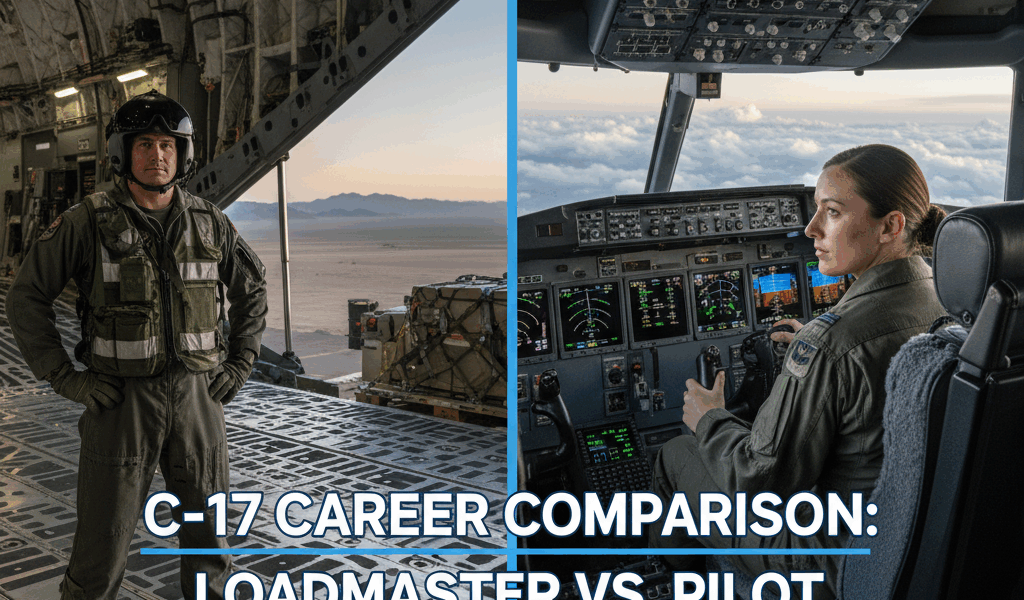
C-17 pilot and loadmaster are different careers, not two entry routes to the same job. The pilot route is an officer flying career; the loadmaster role focuses on cargo and passenger operations as part of the aircrew. Compare the work, entry path and specific position available before comparing headline salary figures.
This guide offers a decision framework. It does not promise a C-17 assignment, a fixed training duration or a civilian salary after military service.
Pilot: an officer route into aircraft operation
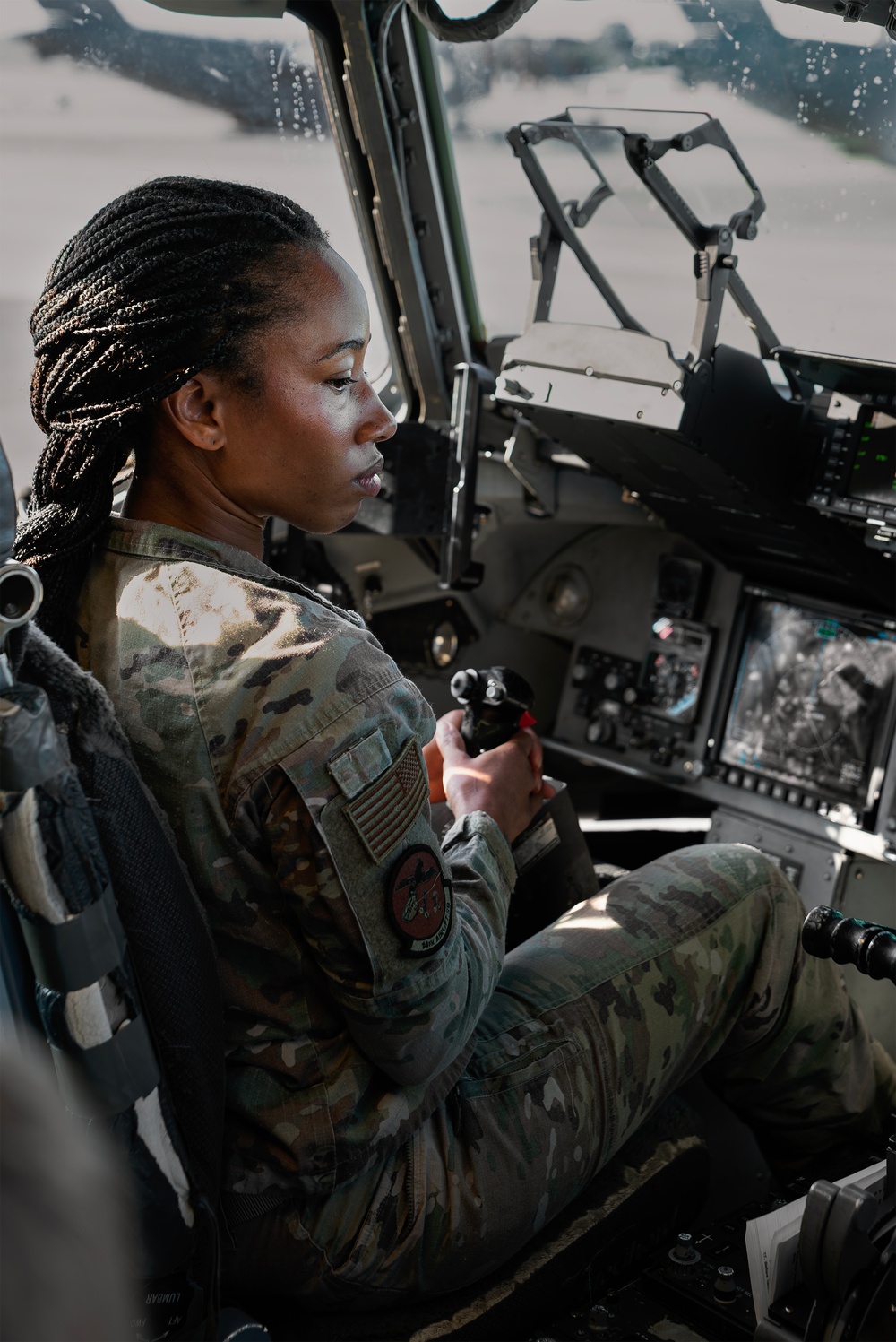
The Air Force’s Mobility Pilot career page lists an officer role requiring a bachelor’s degree and pilot training. It describes mission preparation, planning and briefing responsibilities as well as flying. Commissioning routes include the Academy, ROTC and Officer Training School.
The same page says aircraft assignment considers training performance, recommendations, preferences and Air Force needs. Wanting to fly a C-17 is therefore not the same as having a C-17 assignment. It also identifies a ten-year active-duty commitment after pilot training. Confirm the terms that apply to the particular component and opportunity you are considering.
For the sequence rather than the comparison, use our C-17 pilot entry-path guide.
Loadmaster: cargo responsibilities within an aircrew career
The Air Force lists Mobility Force Aviator as an enlisted specialty and describes aircrew training and physical-qualification requirements. That broad career listing covers more than one aircrew function; it should not be read as a guarantee that an applicant will become a C-17 loadmaster.
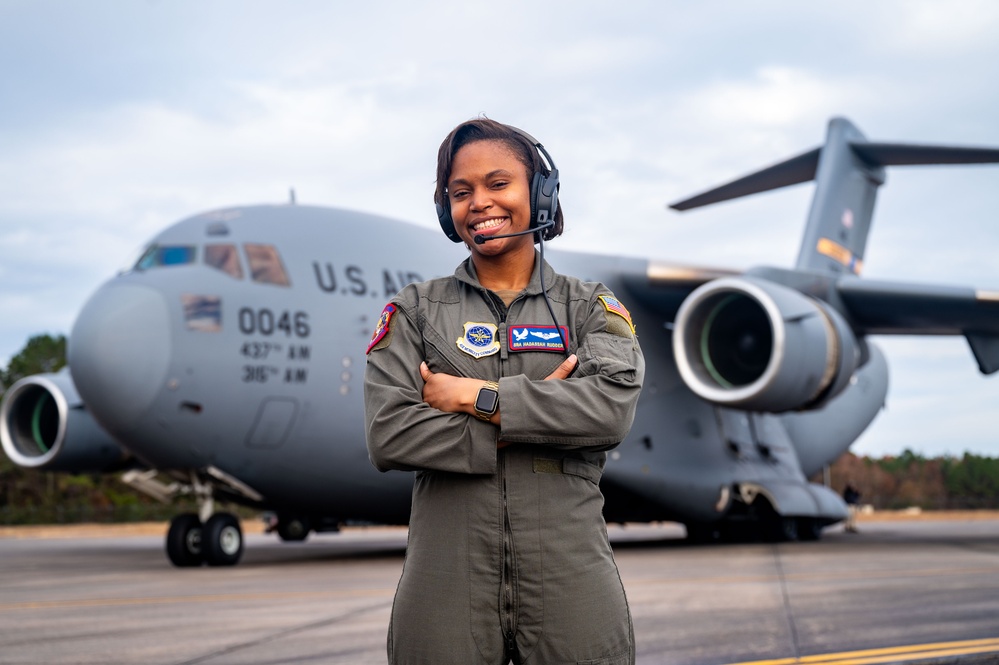
For the actual role, an Air Mobility Command account of C-17 operations describes a loadmaster planning cargo and passenger placement to keep the aircraft within center-of-gravity limits. Our loadmaster duties guide expands on the mission stages, while the loadmaster training-path guide addresses entry and qualification.
Compare the actual opportunity, not an idealized job title
Build a separate answer sheet for each position you are considering:
- Work: which daily tasks interest you, including study, preparation and duties away from the aircraft?
- Entry: what education, selection process and qualification standards apply to this opening?
- Assignment: what is confirmed about aircraft, unit and location, and what remains a preference?
- Commitment: what written service obligation applies, and when does it begin?
- Training: which course and prerequisites apply, and how should you plan for timing uncertainty?
- Family logistics: what can the unit tell you about training travel and current mission patterns?
This separates a decision about the work from a decision about a particular offer. Do not fill an unanswered item with a number copied from someone else’s unit or an old forum post.
How to compare compensation fairly
Use the same year and clearly identify rank, years of service, duty status and allowance assumptions. Do not compare one person’s basic pay with another person’s total compensation. Housing location, eligibility for special pays and individual circumstances can change the comparison.
Our pilot pay guide and loadmaster pay guide separate the components. Confirm current figures and eligibility through official pay resources before relying on a personal estimate.
Think beyond the aircraft seat
For a pilot candidate, the important question is whether an officer flying career fits the commitment you want to make. For a loadmaster candidate, it is whether the specific enlisted aircrew work and available assignment fit your interests. Neither decision can be made reliably from an unsupported deployment-days average or a promised airline salary.
If a later civilian career matters, identify the exact civilian occupation and its licensing, experience and hiring requirements separately. Military experience is relevant background; it is not an automatic offer or a guaranteed pay rate.
Correction, November 17, 2026: Removed an unsupported personal-experience claim, fixed training and deployment estimates, and unverified compensation and civilian-salary promises. Current recruiting sources were checked for this comparison; individual eligibility and assignment require official confirmation.

Subscribe for Updates
Get the latest c-17 pilot updates delivered to your inbox.
We respect your privacy. Unsubscribe anytime.