How to Become a C-17 Pilot: Current Air Force Path
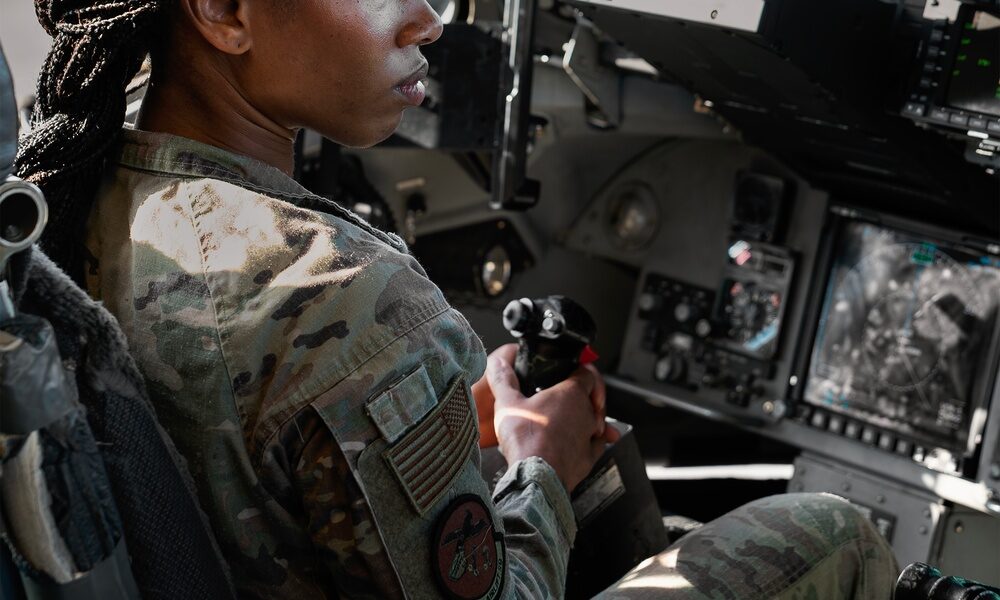
To become a C-17 pilot, first earn an Air Force officer commission, qualify and be selected for pilot training, complete Undergraduate Pilot Training, receive a C-17 seat assignment and then finish aircraft-specific training. You cannot enlist directly with a guaranteed C-17 pilot job, and completing pilot training does not guarantee a particular aircraft.
The Air Force is actively changing how it delivers pilot training, so this guide uses the current recruiting path and avoids treating one base’s temporary syllabus as permanent. A recruiter and the applicable selection authority determine individual eligibility.
C-17 pilot path at a glance
- Earn or be within the allowed window of earning a bachelor’s degree.
- Commission through the Air Force Academy, Air Force ROTC or Officer Training School.
- Meet medical, physical, testing, background and selection requirements for pilot training.
- Complete Undergraduate Pilot Training, which the Air Force describes as approximately one year.
- Receive an aircraft seat assignment based on performance, recommendations, preferences and Air Force needs.
- Complete advanced training for the C-17 and its missions.
- Join an assigned squadron and complete required continuation and mission training.
Step 1: become an Air Force officer
Air Force pilots are commissioned officers. The three standard commissioning routes are:
- U.S. Air Force Academy: a four-year service academy and undergraduate degree program.
- Air Force ROTC: officer education alongside a civilian college degree.
- Officer Training School: an officer-accession route for applicants who already hold or are completing an eligible degree.
The Air Force recruiting site lists a bachelor’s degree as the minimum education for pilots. It says applicants may have a degree in any major and generally must have at least a 2.5 GPA, but a minimum is not a promise of selection.
Step 2: qualify for pilot training
Current Air Force recruiting guidance says pilot applicants must achieve qualifying Air Force Officer Qualifying Test scores, meet medical and physical standards, complete the required background process and pass a selection board before reaching age 33. It also says applicants must begin pilot training after age 18 and before their 33rd birthday.
Vision and medical eligibility are individual determinations. The recruiting page publishes general visual-acuity and color-vision standards but explicitly directs applicants to work through the full application process. Do not assume an online summary can clear or disqualify a particular medical history.
Step 3: complete Undergraduate Pilot Training
The Air Force describes UPT as approximately one year. The program teaches the general flying skills required before aircraft assignment.
Training structure is evolving. Air Education and Training Command graduated the first Future Undergraduate Pilot Training class at Columbus Air Force Base in May 2025, using a revised T-6A and simulator construct. A 2026 Air Force trial also evaluated an Initial Pilot Training model with civilian Part 141 partners. Those changes are why a current guide should not promise every applicant the same historic T-6/T-1 sequence.
Step 4: compete for a C-17 seat assignment
The Air Force says aircraft assignment depends on class ranking, training-performance reports, instructor recommendations, student preference and service needs. C-17 availability therefore changes by class and force requirements.
Good performance can make a student more competitive, but nobody outside the assignment process can guarantee a C-17. Active Duty, Air Force Reserve and Air National Guard pathways also use different hiring and assignment mechanisms; applicants should discuss the component-specific process with the appropriate recruiter or unit.
Step 5: complete C-17 advanced training
After receiving a seat assignment, pilots complete advanced flight training for the aircraft and mission. The Air Force recruiting site describes aircraft-specific training as roughly six months to one year across pilot specialties.
Altus Air Force Base, Oklahoma, is the Air Force’s formal C-17 aircrew training location. Training combines academics, computer-based lessons, simulators and aircraft events. Exact course duration and event counts can change by syllabus, student category and prior qualification.
For a focused look at that phase, see the C-17 pilot training at Altus guide. Treat any stated week count as a course-specific snapshot, not a guarantee for every student.
Step 6: join an operational squadron
Graduating from aircraft-specific training is not the end of qualification. New pilots report to an assigned squadron and complete the local training, continuation requirements and mission qualifications applicable to their unit and role.
Progression from copilot toward aircraft commander, instructor and evaluator roles depends on demonstrated proficiency, experience, recommendations, unit requirements and governing training rules—not one universal flight-hour threshold. See the C-17 pilot qualification and upgrade guide.
How long does it take?
The answer depends on commissioning route, selection timing, training availability and aircraft assignment. A four-year college/commissioning route followed by approximately one year of UPT and roughly six months to one year of aircraft-specific training already spans several years. Delays between phases and squadron mission qualification can extend the timeline.
Applicants who already have a bachelor’s degree and are selected through OTS may have a shorter pre-UPT route, but selection timing is variable. See the full C-17 pilot timeline for the distinct time-to-qualification question.
Service commitment
The Air Force recruiting site states that pilots incur a 10-year active-duty service commitment beginning when pilot training is completed and the aeronautical rating is awarded. That commitment is separate from the time already spent commissioning and training.
Can you choose the C-17?
You can state a preference, but the Air Force does not promise that aircraft. Current recruiting guidance says seat assignment considers performance, instructor recommendations, preferences and Air Force needs.
C-17 pilot requirements FAQ
Do you need a specific college major?
The Air Force says a bachelor’s degree may be in any major. A technical or aviation major is not listed as a universal pilot requirement.
Do you need civilian flight hours?
Current recruiting guidance says prior flight time can help in consideration, but it is not presented as a universal prerequisite for every pilot applicant.
Can enlisted Airmen become C-17 pilots?
An enlisted Airman must first earn a commission and then be selected for pilot training. Pilots are officers.
Where do C-17 pilots train?
Undergraduate pilot training occurs before aircraft assignment. C-17 formal aircrew training is conducted at Altus Air Force Base.
Is a C-17 assignment guaranteed?
No. Aircraft assignments depend on training performance, recommendations, preferences, available seats and Air Force needs.
Official sources
- U.S. Air Force recruiting: pilot requirements and path
- U.S. Air Force recruiting: pilot training pipeline and mobility pilots
- AETC: Future Undergraduate Pilot Training
- U.S. Air Force: 2026 pilot-training trial
- U.S. Air Force: C-17 crew, mission and training location
For compensation, see the 2026 C-17 pilot pay, AvIP and bonus guide.

Subscribe for Updates
Get the latest c-17 pilot updates delivered to your inbox.
We respect your privacy. Unsubscribe anytime.