The 2,000 Hours You Need Before Flying a C-17 Solo
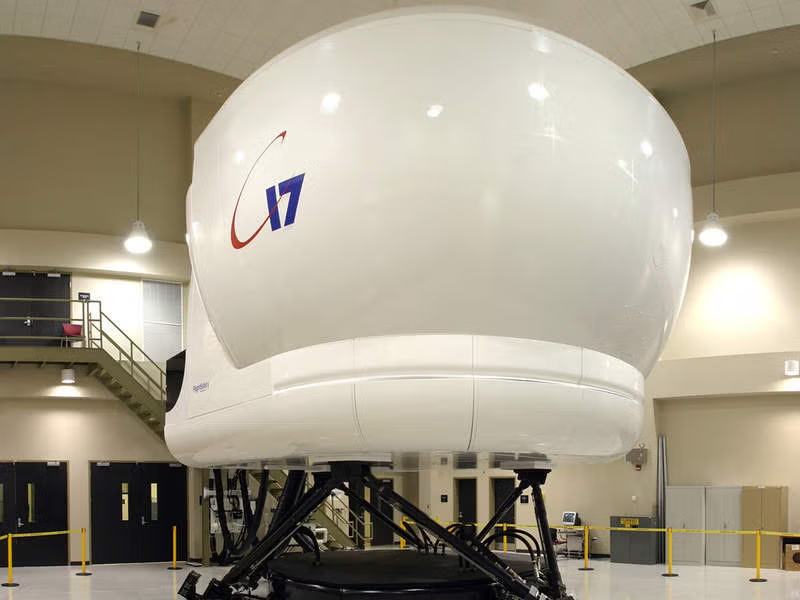
Becoming a fully qualified C-17 Aircraft Commander takes years, not months. While you can earn your basic pilot wings in about a year and complete initial C-17 qualification in a few more months, true mastery—the kind that lets you lead missions into hostile airspace with complete confidence—requires accumulating experience across thousands of flight hours. Here’s what the journey from student pilot to mission-ready Aircraft Commander really looks like.
The Path to C-17 Pilot Wings
Undergraduate Pilot Training (1 Year)
Every Air Force pilot starts at Undergraduate Pilot Training (UPT):
Phase I – Academics and Screening:
- Classroom instruction in aerodynamics, weather, regulations
- Introduction to military flying culture
- Physical and academic screening
Phase II – Primary Training (T-6 Texan II):
- Basic aircraft control and maneuvers
- Instrument flying fundamentals
- Formation and navigation
- Solo flights
Phase III – Advanced Training:
- Future mobility pilots fly the T-1 Jayhawk
- Advanced instrument procedures
- Crew coordination introduction
- Cross-country navigation
UPT graduates receive their silver pilot wings but remain inexperienced. The real learning is just beginning.
C-17 Initial Qualification (4-5 Months)
At the 97th Air Mobility Wing, Altus AFB, Oklahoma, new pilots learn to fly the C-17:
Academics:
- Aircraft systems in depth
- Performance calculations
- Emergency procedures
- Mission planning
Simulator Training:
- Normal procedures
- Emergency procedures
- Instrument approaches
- Tactical operations introduction
Flying Training:
- Pattern work and landings
- Cross-country flights
- Formation basics
- Airdrop introduction
Graduates receive their C-17 qualification but remain copilots, unable to serve as Aircraft Commander.
Building Experience as a Copilot
Mission Qualification (6+ Months)
At their operational squadron, new copilots complete mission qualification:
- Unit-specific procedures
- Combat mission training
- Specialized mission sets (NVG, airdrop, etc.)
- Real-world mission flights
Accumulating Hours
The next phase is simply flying—lots of flying:
- Training missions
- Channel missions (routine cargo flights)
- Contingency operations
- Exercise participation
There’s no substitute for experience. Each flight adds to the mental library of situations, techniques, and judgment that defines a competent aviator.
Typical Copilot Timeline
- First year: 200-400 hours, learning normal operations
- Second year: 400-800 cumulative hours, gaining confidence
- Third year: 800-1,200+ hours, ready to upgrade
Hours accumulate at different rates depending on operations tempo and assignment. Some copilots upgrade faster; others take longer.
Aircraft Commander Upgrade
Prerequisites
Before upgrading to Aircraft Commander, copilots typically need:
- Total flying time: 1,000-1,500+ hours (varies by command)
- C-17 time: 500+ hours in type
- Commander recommendation: Based on performance and judgment
- Available training slot: Limited upgrade opportunities
Upgrade Training
Aircraft Commander upgrade involves:
Ground Training:
- Decision-making and leadership
- Crew resource management
- Risk management
- Advanced mission planning
Simulator:
- Emergency scenarios from the left seat
- Making command decisions under pressure
- Complex multi-emergency scenarios
Flight Training:
- Supervised missions as pilot in command
- Progressive scenarios with decreasing oversight
- Final checkride demonstrating AC competency
The Aircraft Commander Standard
An Aircraft Commander is responsible for:
- All aspects of mission planning and execution
- Safety of the aircraft, crew, and passengers
- Final authority for all decisions
- Legal responsibility for aircraft operation
The standard is high because the consequences of poor judgment are severe.
Advanced Qualifications
After Aircraft Commander upgrade, additional qualifications await:
Instructor Pilot (1,500-2,000+ Hours)
Instructor Pilots train other pilots:
- Teaching from the right seat
- Evaluating student performance
- Developing training programs
- Mentoring copilots and new ACs
IP upgrade requires demonstrated expertise and teaching ability.
Evaluator Pilot (2,000+ Hours)
Evaluator Pilots certify other pilots’ qualifications:
- Administering checkrides
- Standardizing procedures
- Maintaining squadron qualification standards
- Final authority on pilot performance
Specialized Qualifications
- Night Vision Goggle: Low-level NVG operations
- Airdrop: Personnel and cargo airdrop
- Air Refueling: Receiver operations
- Instructor in specific mission areas
The 2,000-Hour Milestone
By the time a C-17 pilot accumulates 2,000 hours, they typically possess:
Technical Mastery
- Complete familiarity with aircraft systems
- Automatic execution of normal procedures
- Rapid recognition of abnormal situations
- Extensive experience with diverse conditions
Judgment
- Pattern recognition from hundreds of similar situations
- Intuitive sense of risk
- Confidence to make difficult decisions
- Knowledge of when to press and when to wait
Leadership
- Experience managing crew dynamics
- Ability to train and develop others
- Understanding of organizational context
- Professional reputation and credibility
Maintaining Currency
Qualification doesn’t end with initial training. Ongoing requirements include:
Regular Flying
- Minimum quarterly flight requirements
- Specific event currency (landings, approaches, etc.)
- Annual training requirements
Simulator Training
- Semi-annual simulator evaluations
- Emergency procedure refresher
- New procedure training
Academic Training
- Annual ground training requirements
- Systems updates and changes
- Regulatory and procedural updates
The Investment
Consider the total investment to produce a qualified Aircraft Commander:
- Undergraduate Pilot Training: $1+ million
- C-17 Initial Qualification: Hundreds of thousands more
- Mission Qualification: Years of operational flying
- Upgrade Training: Additional simulator and flight time
A fully qualified C-17 Aircraft Commander represents millions of dollars in training investment and years of professional development.
Why It Matters
The extensive qualification process exists because the stakes are high. A C-17 can carry over 100 people plus irreplaceable cargo into challenging environments. The aircraft commander must handle any situation—mechanical failures, weather, tactical threats—with calm competence.
For aspiring C-17 pilots, understanding this path helps set expectations. Becoming qualified is a multi-year journey requiring sustained effort and commitment. But for those who complete it, the reward is commanding one of the world’s most capable aircraft on missions that genuinely matter.
Those 2,000 hours aren’t just a number—they represent the experience that lets an Aircraft Commander make the right call when everything depends on it.

Subscribe for Updates
Get the latest c-17 pilot updates delivered to your inbox.
We respect your privacy. Unsubscribe anytime.