C-17 Hydraulic Systems: Failures, Training and Maintenance
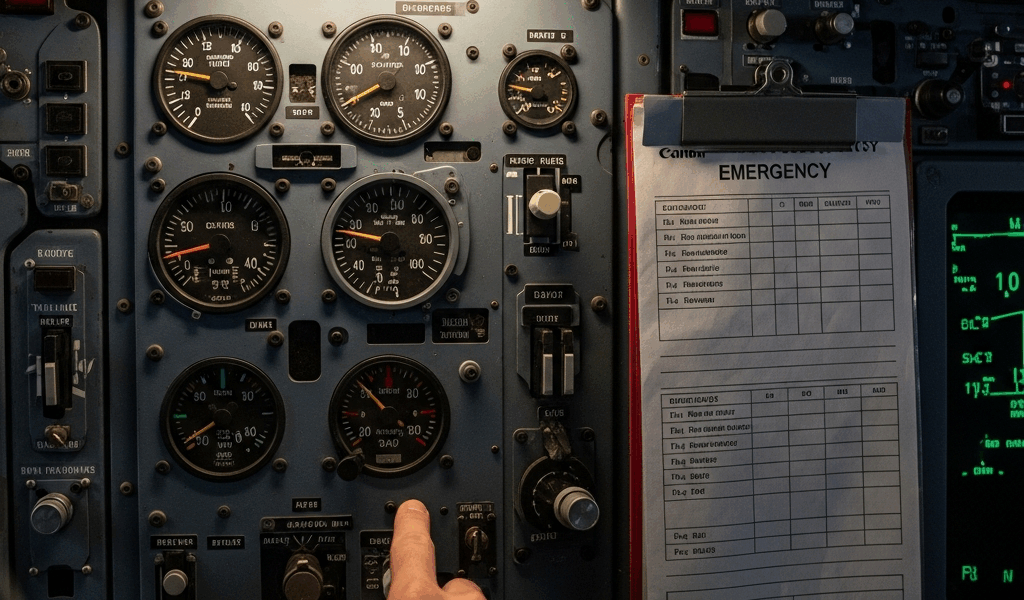
C-17 hydraulic systems support major aircraft functions including landing gear, brakes, steering and other powered mechanisms. The aircraft is designed with redundancy, indications and approved abnormal procedures, while pilots and maintainers practice failures in simulators and training devices.
This public overview explains what hydraulics do and how the Air Force trains for faults. It intentionally does not publish failure signatures, memory items, system-loss checklists or landing instructions.
What hydraulics do on the C-17
Air Mobility Command reporting on the Joint Base Charleston hydraulics shop identifies several visible C-17 functions supported by hydraulics:
- landing gear;
- wheel brakes;
- ground steering;
- landing-gear struts and suspension-related components;
- cargo winches and other powered mechanisms.
Hydraulic power converts pressurized fluid into mechanical movement. The complete aircraft architecture, isolation logic and abnormal configurations belong in current technical orders and flight guidance.
Why redundancy matters
A large transport cannot rely on one unprotected path for every flight-control, landing and cargo function. Redundant power sources, separated components, indications and backup provisions help keep a single fault from becoming a total loss of capability.
Redundancy does not mean every failure has the same consequences or that the aircraft can ignore a warning. Crews use the actual indications, current checklist and aircraft condition to determine what remains available.
How pilots recognize a hydraulic problem
The C-17’s electronic cockpit presents aircraft-system information and cautions to the crew. A hydraulic issue can involve pressure, quantity, temperature, a component fault or another indication, but an online article cannot reliably diagnose a real aircraft from one symptom.
The crew’s job is to maintain aircraft control, identify the condition using approved indications, coordinate and apply the current guidance. It is not appropriate to publish a substitute sequence or “first things to do” list.
How crews train for hydraulic failures
C-17 flight simulators let instructors present emergencies and system malfunctions that would be unsafe or impractical to create in an aircraft. Air Force reporting says simulators are used so crews can analyze problems, maintain control and coordinate in a safe environment.
The broader C-17 training system supports initial qualification, upgrade and recurring classroom and simulator events at Altus and regional sites. This allows hydraulic faults to be combined with weather, runway and mission variables under instructor supervision.
How maintainers train
Air Force maintenance trainers can simulate hydraulic issues and other faults without risking damage to an operational aircraft. Maintainers practice troubleshooting, component removal and installation, operational checks and documentation using approved technical data.
The current Air Force career-field training plan lists a dedicated C-17 Hydraulic Troubleshooting course managed through the 373rd Training Squadron. That reinforces an important distinction: hydraulic diagnosis and repair are trained specialties, not a job for an aircrew blog checklist.
What the hydraulics shop maintains
Air Force hydraulics specialists inspect and repair hoses, fluid systems, accumulators, actuators, brakes and landing-gear-related components within their assigned scope. They also perform operational checks before returning systems to service.
Hydraulic maintenance works alongside crew chiefs, avionics, propulsion, electrical/environmental and other specialties. A defect that appears “hydraulic” may require coordinated troubleshooting across systems.
Why a system fault can affect landing planning
Hydraulics support functions used during approach, landing and ground movement. A fault can therefore affect available configuration, braking, steering or another capability. The actual impact depends on the specific fault and remaining systems.
Qualified crews use the current checklist, performance data, weather, runway and support options. This page does not provide configuration or landing directions.
Why public procedures are risky
Procedure-like articles become unreliable when they:
- assume one indication proves one failure;
- publish steps without the checklist’s conditions and cautions;
- ignore aircraft configuration and concurrent faults;
- use obsolete system names or thresholds;
- present maintenance troubleshooting as pilot action.
For a public reader, the useful takeaway is the design and training framework. Operational response belongs to qualified personnel using controlled, current data.
For related aircraft systems, see the C-17 landing-gear overview. For how pilots maintain qualification, see the C-17 pilot qualification guide.
C-17 hydraulic-system FAQ
What uses hydraulic power on a C-17?
Public Air Force reporting identifies brakes, landing gear, steering, struts and cargo winches among hydraulically supported functions.
Can C-17 simulators reproduce hydraulic faults?
Yes. Air Force reporting describes pilot and maintenance simulators presenting hydraulic issues and other failures for controlled training.
Does hydraulic redundancy make every failure minor?
No. Redundancy preserves options, but the consequences depend on the exact condition and remaining capability.
Where can a real crew find the procedure?
In the current approved flight guidance, checklist, technical data and unit training system—not a public web article.
Official sources
- Air Mobility Command: C-17 hydraulic functions and maintenance
- Air Mobility Command: maintenance simulators and hydraulic-fault training
- Air Mobility Command: aircrew emergency training in simulators
- Air Force: 2025 C-17 training-system overview
- Department of the Air Force: hydraulic-systems career-field training plan
For another major aircraft-system training topic, see the C-17 engine-failure guide.

Subscribe for Updates
Get the latest c-17 pilot updates delivered to your inbox.
We respect your privacy. Unsubscribe anytime.