How to Become a C-17 Pilot
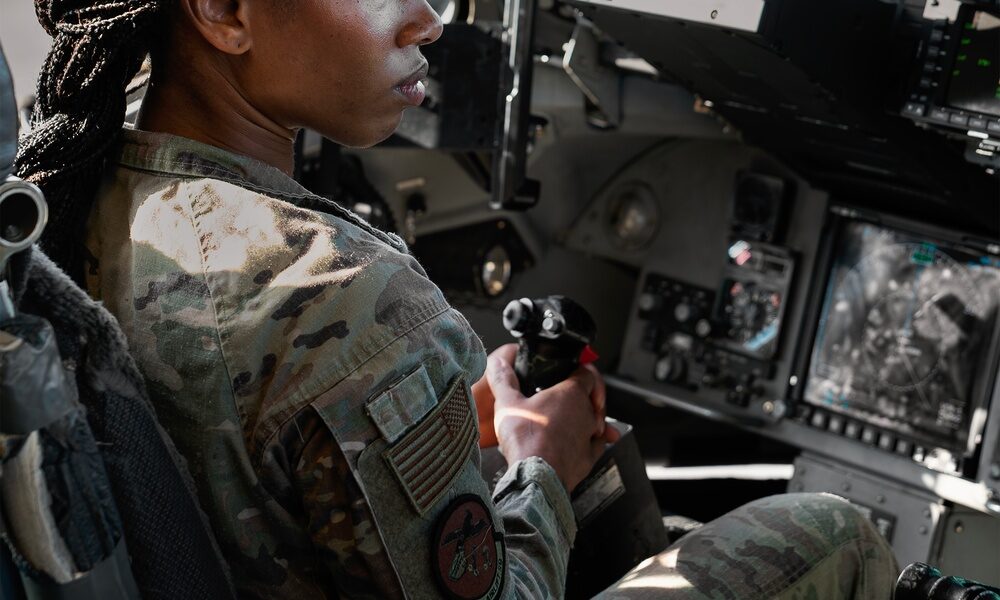
How to Become a C-17 Pilot: Your Complete Step-by-Step Guide
Becoming a C-17 pilot has gotten complicated with all the conflicting advice flying around online. As someone who spent years working alongside C-17 crews and training aspiring military pilots, I learned everything there is to know about this career path. Today, I will share it all with you.
The short version? You need to commission as a U.S. Air Force officer, survive Undergraduate Pilot Training, earn your wings, and complete C-17-specific training at Altus Air Force Base in Oklahoma. The entire journey from commissioning to actually flying the Globemaster typically takes 2-3 years. But there’s much more to it than that.
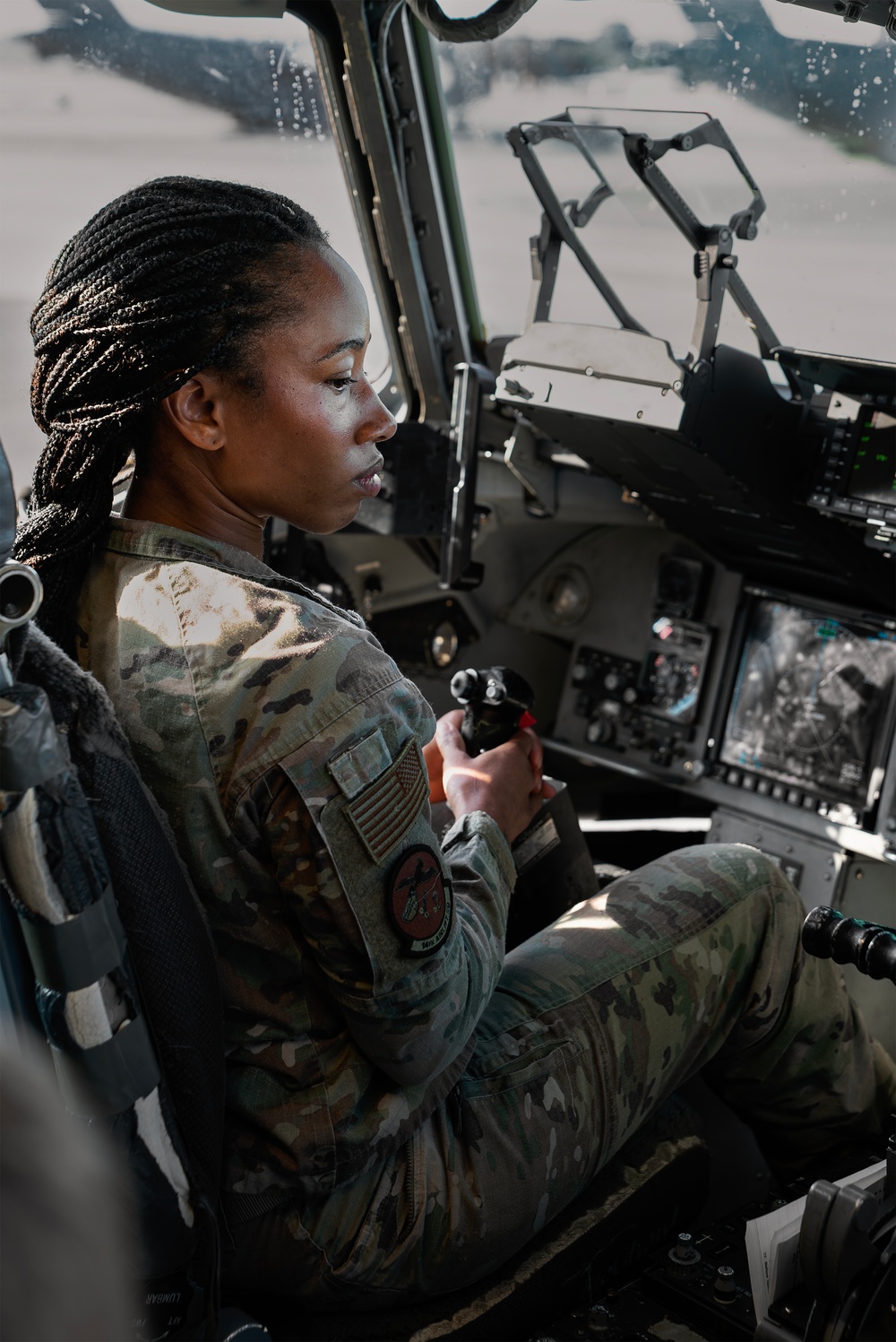
Understanding What You’re Actually Getting Into
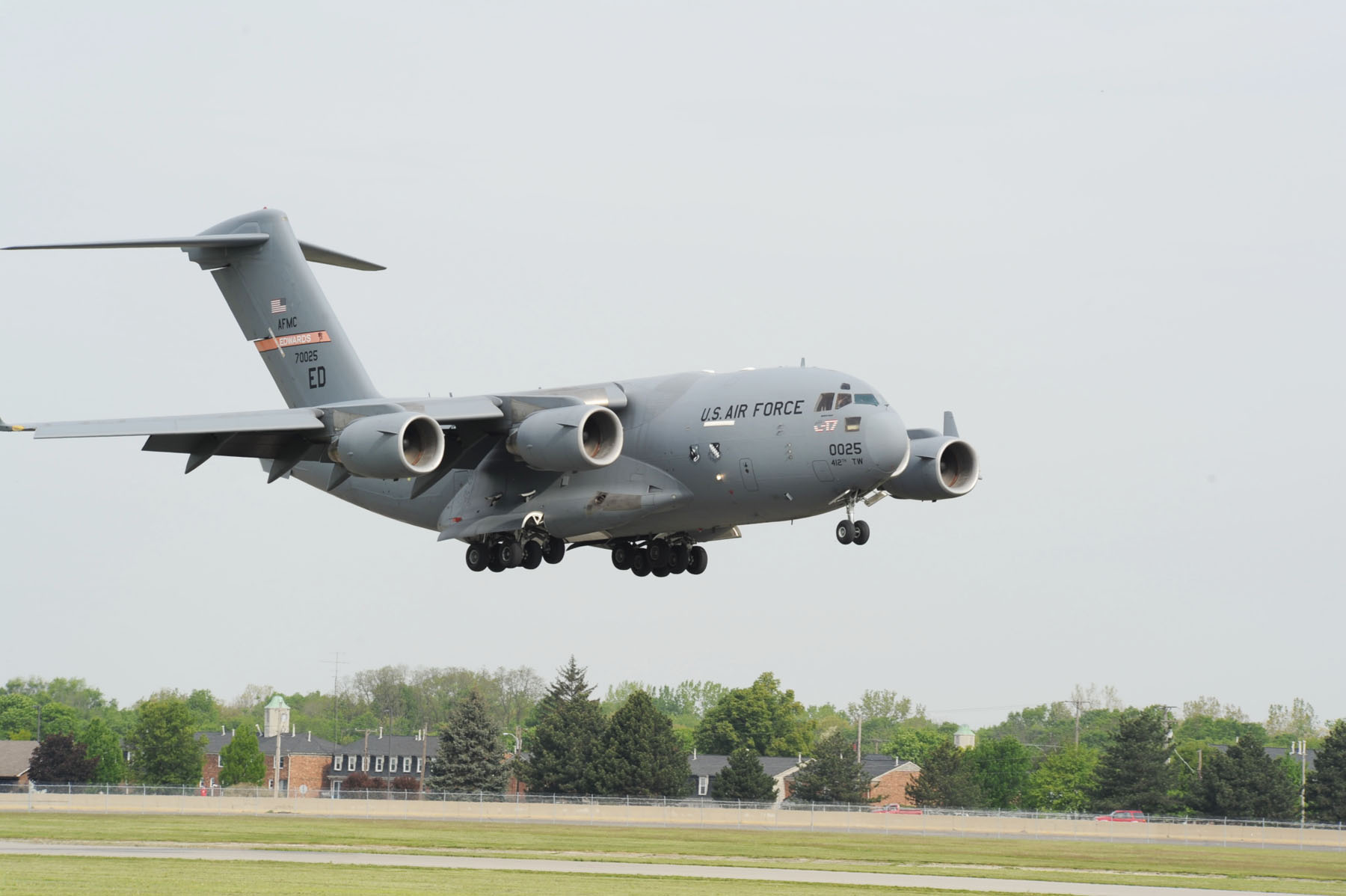
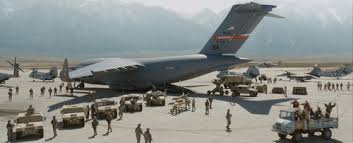
The C-17 Globemaster III represents something special in military aviation. It’s not the fastest jet (fighters own that territory), nor the largest cargo hauler (the C-5 Galaxy dwarfs it). What makes the C-17 remarkable is its versatility—delivering 170,000 pounds of cargo to a dirt runway in Afghanistan, then flying disaster relief supplies to a Caribbean island, then shuttling the President’s motorcade to Europe.
I watched a C-17 land on a 3,500-foot gravel strip in the middle of nowhere, offload two helicopters, and take off again in under 90 minutes. That capability exists nowhere else in the heavy aircraft world.
But getting there? That’s the real story. Unlike civilian aviation where you can theoretically pay for flight training and build hours independently, becoming a C-17 pilot means joining the U.S. Air Force and earning your way through their pipeline. There are absolutely no shortcuts, though I’ve met plenty of people who thought they’d found one. They were all wrong.
The Requirements Nobody Tells You About
Probably should have led with this section, honestly. Before you spend years chasing this dream, you need to meet several non-negotiable requirements. I’ve seen too many aspiring pilots discover a disqualifying factor after already investing significant time.
Citizenship and Age (The Clock Is Ticking)
You must be a natural-born or naturalized U.S. citizen. Not a permanent resident, not “working on citizenship”—an actual citizen. The security clearance process doesn’t mess around here.
Age is trickier than most realize. You must commission before age 29, though exceptions exist for prior enlisted service. Here’s the problem: even if you commission at 28, you still need to complete Officer Training School, wait for a pilot training slot, finish a year of UPT, and hope you don’t get delayed anywhere. I’m apparently terrible at math, but even I can see that timeline gets tight.
Most successful candidates commission between 21-25 for a reason—buffer time for inevitable delays.
Education Requirements (Yes, Your Major Matters)
You need a four-year bachelor’s degree from an accredited institution. While the Air Force technically accepts any major, let’s be honest about what actually happens during selection boards.
STEM degrees (Science, Technology, Engineering, Mathematics) consistently appear more frequently in pilot training slots. Is it fair? That’s above my pay grade to judge. But looking at the selection statistics from the past decade, engineering majors get picked substantially more often than philosophy majors. Take that information and do what you want with it.
Your GPA matters enormously. Competitive candidates typically sport a 3.0 or higher, though I’ve seen people with 2.9s make it through with exceptional test scores and flying hours. Below 2.8? You’ll need a compelling story and perfect scores everywhere else.
Physical Requirements (More Flexible Than Before)
The Air Force has strict medical standards, though they’ve loosened considerably over the years:
Height: Between 5’4″ and 6’5″ standing, with additional sitting height measurements. If you’re outside this range, stop reading here. I know that sounds harsh, but the cockpit dimensions are what they are.
Vision: This is where things got better. You need 20/70 or better in each eye, correctable to 20/20. Here’s the good news—LASIK and PRK eye surgery are now completely acceptable with proper documentation and waiting periods. A decade ago, laser eye surgery was automatic disqualification. Times change.
Color blindness: Still a hard no. You must pass color vision tests, and no, there’s no waiver for this one.
Overall health: You’ll undergo an FC1 (Flying Class 1) physical examination that screens for cardiovascular issues, hearing problems, and conditions that could affect flight safety. They’re looking for reasons to disqualify you, so be prepared for an invasive medical examination.
Security Clearance (They Will Find Everything)
All pilots require a Top Secret security clearance. Your background gets thoroughly investigated—financial history, criminal records, drug use, foreign contacts, questionable internet searches, everything.
The investigators are genuinely good at their jobs. I watched someone lose their pilot slot over an undisclosed speeding ticket from three years prior. Not because of the ticket itself, but because they lied about it on the form. The cover-up kills you more often than the actual issue.
Three Paths to Commissioning (Choose Wisely)
That’s what makes the Air Force commissioning process endearing to us career military folks—there are exactly three ways in, each with dramatically different odds of success.
Option 1: U.S. Air Force Academy (The Traditional Elite Path)
The Air Force Academy in Colorado Springs offers the most direct route to becoming a pilot, assuming you can get in.
Academy graduates receive first priority for pilot training slots. About 35-40% of graduates get pilot slots, compared to 20-25% for ROTC and 5-10% for OTS. Those numbers tell the story.
What you’re signing up for:
- Four years of military college experience (which is different from regular college, and not in the fun ways)
- Free education valued at over $400,000
- Congressional nomination required just to apply
- Acceptance rate of 10-12% (more selective than most Ivy League schools)
- 10-year active duty commitment after completing pilot training
I met Academy grads who loved every minute and others who called it “four years of sanctioned hazing.” Your mileage will vary based on personality fit.
Option 2: Air Force ROTC (The Most Common Route)
Reserve Officer Training Corps programs exist at over 145 universities nationwide. This is where most Air Force pilots come from—not the Academy, despite what Hollywood suggests.
Frustrated by the Academy’s intensity and structure, thousands of students choose ROTC using a much simpler approach—they attend normal college while taking aerospace studies courses on the side. This option took off in the post-Vietnam era and eventually evolved into the largest commissioning source that aviation enthusiasts know and respect today.
How it actually works:
- You join ROTC at your college or university (over 145 schools offer it)
- Take aerospace studies courses alongside your regular degree
- Attend field training between sophomore and junior years (think basic training lite)
- Compete nationally for pilot training slots during senior year
- Commission as a Second Lieutenant upon graduation
- 10-year active duty commitment after completing pilot training
The pilot selection process for ROTC cadets combines commander ranking, GPA, Physical Fitness Test scores, and the infamous Pilot Candidate Selection Method (PCSM) score. About 20-25% of ROTC graduates who want pilot slots actually get them.
Option 3: Officer Training School (For College Graduates)
Already have a bachelor’s degree and didn’t do ROTC? Officer Training School is your path. It’s also your hardest path, receiving the fewest pilot training allocations each year.
The reality of OTS:
- 8 weeks of intensive officer training at Maxwell Air Force Base, Alabama
- Must apply with completed degree in hand
- Selection boards meet 1-2 times per year (long waits between shots)
- Only 5-10% of OTS graduates receive pilot training slots
- Age becomes critical—most OTS pilot selectees are under 26
- 10-year active duty commitment after completing pilot training
I’ve seen 28-year-olds with perfect applications get passed over simply because the Air Force prefers younger candidates with longer potential careers. Is it fair? Doesn’t matter—it’s reality.
You’ll work with an Air Force officer recruiter (completely different from enlisted recruiters) to submit your package. You need transcripts, letters of recommendation, medical clearance, and stellar scores on the Air Force Officer Qualifying Test (AFOQT).
The Tests That Actually Matter
Two tests will make or break your pilot training selection. I watched people with 4.0 GPAs get rejected because they bombed these exams.
Air Force Officer Qualifying Test (AFOQT)
This comprehensive exam tests verbal and quantitative skills, with specific sections targeting pilot aptitude. Plan for about 5 hours of testing.
For pilot hopefuls, three sections matter most:
- Pilot Subscore: Tests aviation knowledge, spatial reasoning, instrument comprehension
- Navigator-Technical Subscore: Assesses technical reasoning abilities
- Academic Aptitude: Standard verbal and quantitative sections
Here’s the uncomfortable truth about competitive scores: aim for 90+ percentile on the pilot subscore. Anything below 70 dramatically reduces your chances, regardless of what recruiters tell you about “minimums.” Minimum qualifying scores and competitive scores exist in different universes.
Test of Basic Aviation Skills (TBAS)
The TBAS is where things get interesting. It’s a computerized psychomotor test measuring your natural flying ability. You’ll use an actual stick and throttle to perform various aviation tasks while the computer tracks your performance.
What it measures:
- Multi-tasking ability under pressure
- Directional orientation (can you track moving objects accurately?)
- Aircraft tracking using instruments
- Reaction time and hand-eye coordination
Some people are naturally gifted at the TBAS. Others—not so much. I’m apparently in the “not so much” category and needed substantial practice with flight simulation games to develop the coordination required. Microsoft Flight Simulator works wonders for TBAS preparation, though the Air Force won’t officially tell you that.
Pilot Candidate Selection Method (PCSM) Score
Your AFOQT pilot subscore combines with your TBAS results and any civilian flying hours you’ve logged to generate a PCSM score from 1-99. This single number carries enormous weight in pilot selection.
Flying hours boost your score: The algorithm considers up to 201 logged flight hours. Many competitive candidates earn their private pilot license before applying specifically to boost this score and demonstrate genuine commitment to aviation.
I watched someone go from a PCSM of 65 to 82 by logging 50 hours of flight time. That difference moved them from “maybe” to “selected.”
Competitive PCSM reality: Scores of 80+ are highly competitive. Scores of 60-79 are “maybe if everything else is perfect.” Scores below 50 rarely receive pilot slots unless they’re Academy grads with exceptional records.
Undergraduate Pilot Training (Welcome to Hell)
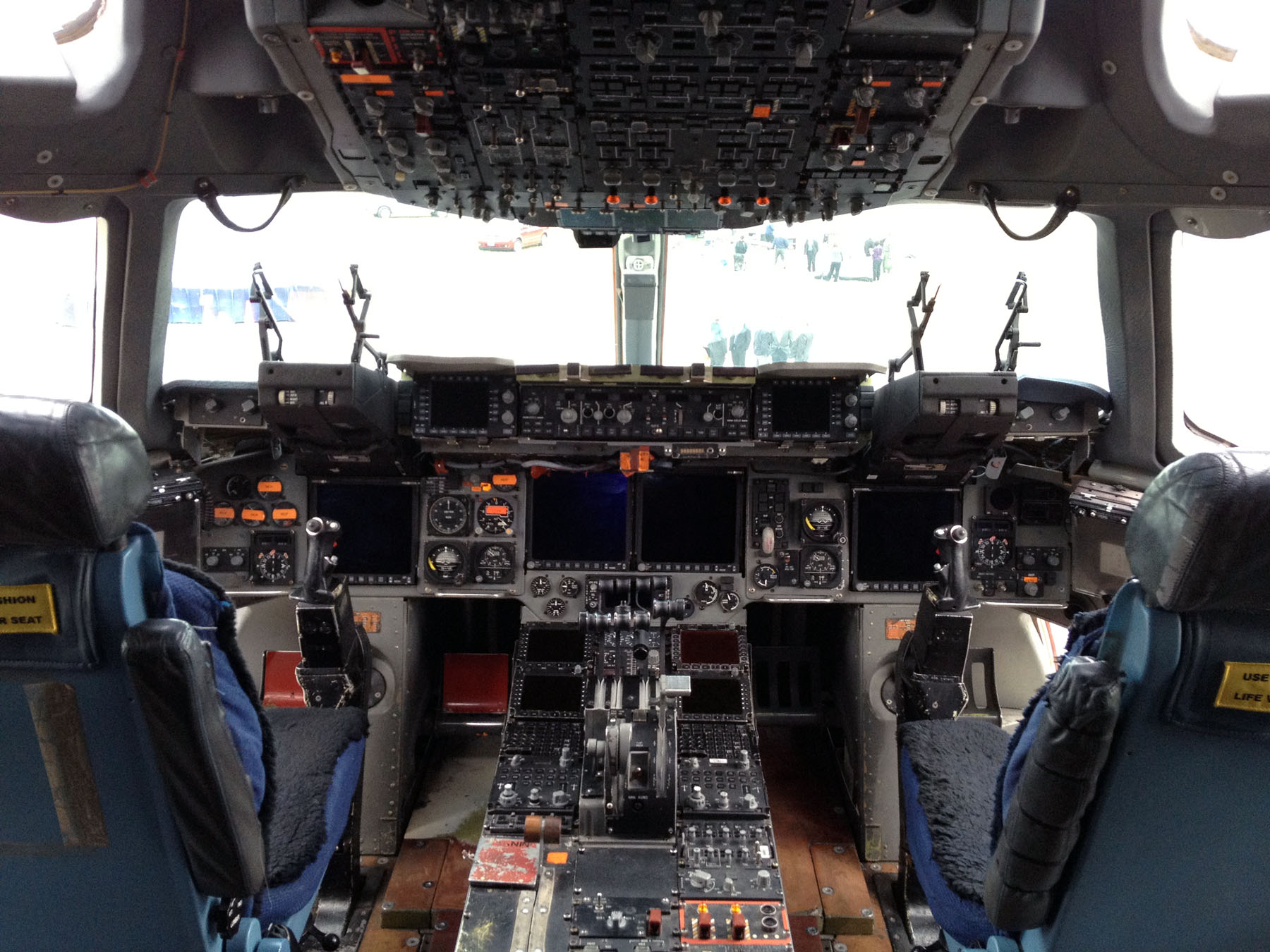
Congratulations—you’ve been selected for pilot training! Now begins the most intense, exhausting, rewarding year of your life. UPT washes out 10-15% of students, and everyone who survives has moments where they questioned their choices.
Initial Flight Training (IFT) – The Screening Phase
Duration: 4-6 weeks
Location: Usually Pueblo, Colorado (contracted civilian school)
Aircraft: Diamond DA-20 or Cessna 172
IFT exists to screen candidates before the Air Force invests serious money in UPT. You’ll log 15-20 flight hours and must solo the aircraft. Some students wash out here, discovering that flying isn’t what they imagined.
I knew someone who spent four years preparing for pilot training, only to discover during IFT that they got violently airsick every flight. Sometimes you don’t know until you try.
Primary Flying Phase – T-6 Texan II
Duration: 6 months
Location: Columbus AFB, Vance AFB, Laughlin AFB, or Sheppard AFB
Aircraft: T-6 Texan II
This is where you learn to actually fly a military aircraft. The T-6 is a 1,100 horsepower turboprop trainer that will humble you repeatedly.
Training phases include:
- Contact flying (visual navigation and basic maneuvers)
- Instrument flying (flying solely by reference to instruments)
- Formation flying (maintaining precise position with other aircraft)
- Night operations (everything is harder in the dark)
- Emergency procedures (when things go wrong at 300 knots)
You’ll fly 90-100 hours in the T-6 plus additional simulator time. The pace is absolutely relentless—flying, studying, briefing, debriefing, studying more, grabbing 5 hours of sleep, and repeating. Daily 12-14 hour days are standard, not exceptional.
Every flight is graded. Every maneuver is assessed. You’re constantly ranked against your classmates. The pressure breaks some people.
Track Selection – Your Future Gets Decided
Based on your T-6 performance, instructor recommendations, and class ranking, you get assigned to one of three tracks:
- Fighters/Bombers: T-38 Talon (fast jets for aggressive personalities)
- Airlift/Tankers: T-1 Jayhawk (heavy aircraft for crew-focused pilots)
- Helicopters: UH-1 Huey (low and slow operations)
For C-17 aspirants: You need the T-1 track. Period.
Track night is emotionally intense. Your entire future gets determined by your performance over the previous six months. I’ve seen grown adults cry tears of joy and tears of disappointment on the same night.
Advanced Training – T-1 Jayhawk Phase
Duration: 6 months
Aircraft: T-1 Jayhawk (military version of the Beechjet 400)
The T-1 trains you for multi-engine, crew-aircraft operations. Unlike the T-6 where you fly solo or with an instructor, the T-1 emphasizes crew coordination.
Training focuses on:
- Crew coordination (learning to fly with a co-pilot)
- Advanced instrument approaches to various airfields
- Cross-country navigation using airways and GPS
- Low-level navigation (flying 500 feet above ground)
- Air refueling procedures (visual observation, not actual refueling)
You’ll log approximately 85 hours in the T-1. Near the end of this phase comes “Assignment Night”—the moment you discover which aircraft you’ll fly for the next decade.
Getting Your C-17 Assignment (The Real Competition)
Aircraft assignments depend on three factors:
- Your class ranking: Performance throughout UPT matters enormously
- Air Force needs: How many pilots each community needs that month
- Your preferences: You submit a ranked list, but it’s more guideline than guarantee
The C-17 is consistently among the most desired assignments. It combines the prestige of flying a large, capable aircraft with frequent travel to interesting locations and diverse missions. Nobody ever asks for a C-17 assignment as their fifth choice.
Strong performance throughout UPT is your only real leverage. The top graduates generally get their first choice. Middle-of-the-pack students get what’s available. Bottom performers take what’s left.
I watched someone graduate number one in their UPT class turn down F-16s to fly the C-17. The mission appealed to them more than fighters. That’s the kind of demand you’re competing against.
C-17 Initial Qualification Training at Altus AFB
You’ve got your C-17 assignment! Pack your bags for southwestern Oklahoma, where temperatures exceed 100°F in summer and the wind never stops blowing. Welcome to Altus Air Force Base.
Training Overview
Duration: 15 weeks
Location: Altus Air Force Base, Oklahoma
Aircraft: C-17 Globemaster III
Ground School Phase (Weeks 1-6):
Six weeks of classroom instruction covering every system on the aircraft:
- Hydraulic systems (3,000 PSI maintaining flight control authority)
- Electrical systems (270 VDC power distribution)
- Four Pratt & Whitney F117 engines and their quirks
- Flight controls and augmentation systems
- Emergency procedures for every imaginable failure
- Weight and balance calculations for 170,000-pound payloads
- Airdrop procedures and cargo handling
- Tactical operations in hostile environments
The information firehose never stops. You’ll study every night and take written exams weekly. Washout rate is low at this point (you’ve already proven you can fly), but it happens.
Simulator Training (Weeks 7-10):
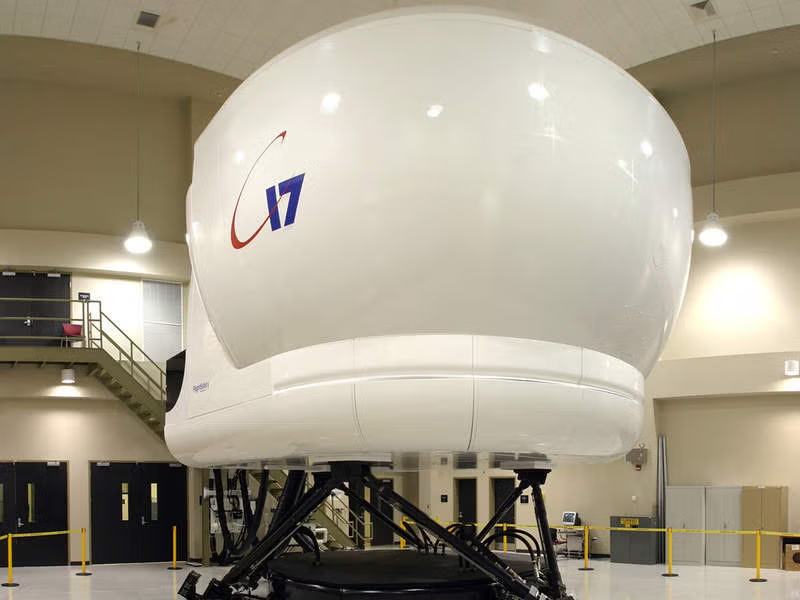
Approximately 70 hours in the C-17 simulator mastering procedures before touching the actual aircraft. The simulator replicates the real thing down to the hydraulic fluid smell.
Simulator missions include:
- Normal and emergency procedures for every system
- Instrument approaches to challenging airfields worldwide
- Three-engine, two-engine, and single-engine operations
- Adverse weather landings (crosswinds, low visibility, icing)
- Tactical approaches and assault landings
- Air refueling procedures
The simulator instructors are sadistic in the best possible way. They’ll fail systems at the worst possible moments to test your decision-making under pressure. Engine fire during final approach? Hydraulic failure during tactical descent? Electrical emergency while air refueling? You’ll experience all of them in the sim before facing them in the real aircraft.
Flight Training (Weeks 11-15):
Finally, you get to fly the actual C-17. You’ll log 30-35 hours of real flight time, including:
- Local area familiarization flights
- Traffic pattern work and touch-and-go landings
- Airdrop training (actually dropping cargo from the aircraft)
- Low-level navigation routes at 500 feet above ground
- Night operations (flying a 500,000-pound aircraft in darkness)
- Formation flying (maintaining position with other C-17s)
- Tactical approaches to short runways
Each flight is graded. Each maneuver must meet specific standards. The checkride looms at the end, where you must demonstrate proficiency in all C-17 operations.
The Final Checkride: A comprehensive evaluation flight testing everything you’ve learned. An evaluator pilot will fail systems, ask emergency procedure questions, and assess your decision-making throughout the flight. Pass this checkride, and you’re officially a qualified C-17 pilot.
Fail the checkride? You get one second chance. Fail twice, and you’re reassigned to a different aircraft or removed from flying altogether. The stakes are high, but the training prepares you well. Most students pass on their first attempt.
Your First Assignment – Becoming Operational
After graduating from Altus, you receive orders to one of the Air Force’s C-17 bases. Each base has a different personality and mission focus.
Primary C-17 Bases
- Joint Base Charleston, SC: Largest C-17 fleet in the Air Force (over 50 aircraft)
- Joint Base Lewis-McChord, WA: Pacific operations and special forces support
- Dover AFB, DE: Atlantic operations and dignified transfer missions
- Travis AFB, CA: Pacific gateway handling most westbound cargo
- Joint Base McGuire-Dix-Lakehurst, NJ: East Coast operations hub
- Elmendorf AFB, AK: Arctic operations and extreme weather flying
- Hickam AFB, HI: Pacific Command support (yes, Hawaii assignments exist)
Base assignments depend on Air Force needs, your preferences (that dream sheet you submitted), and whether you have any special circumstances (married to another military member, family hardships, etc.). You’ll probably not get your first choice, but you might get lucky.
I knew someone who requested Hawaii five consecutive times over their career. They got Alaska, North Carolina, Delaware, California, and Germany instead. The Air Force has a sense of humor.
Upgrading from Copilot to Aircraft Commander
You’ll initially serve as a copilot, flying right seat with experienced aircraft commanders. You’re a qualified pilot, but not yet the pilot in command.
To upgrade to aircraft commander (AC) status, you need:
- 500-1,000 flight hours in the C-17 (varies by squadron)
- 12-24 months of operational experience
- Demonstrated proficiency in all mission types
- Strong recommendation from squadron leadership
- Successful completion of AC upgrade training and checkride
As an aircraft commander, you’re the final decision authority for everything involving that mission. The crew, the cargo, the safety-of-flight decisions, the mission success or failure—it all falls on you. That responsibility weighs on some people more than others.
But that’s when the career truly becomes rewarding. You’re not just flying; you’re commanding missions that matter.
What Makes a Competitive Candidate?
After watching hundreds of pilot candidates over the years, patterns emerge. Here’s the profile of someone likely to succeed:
Academic Excellence
- Bachelor’s degree with GPA of 3.3 or higher
- STEM major preferred (engineering shows up constantly in selected candidates)
- Strong performance in technical courses specifically
- Ability to learn complex information quickly
Test Performance That Matters
- AFOQT Pilot score: 85+ percentile
- PCSM score: 75+ (ideally 80+)
- Strong TBAS performance showing natural aptitude
Leadership and Character
- Demonstrated leadership in school, work, sports, or community
- Strong letters of recommendation from people who actually know you
- Absolutely clean background (no legal issues, financial problems, or drug use)
- Physical fitness excellence (not just meeting minimums)
Flying Experience (Optional But Increasingly Common)
- Private pilot license demonstrates serious commitment
- 50-100 flight hours significantly boost PCSM scores
- Shows you’ve actually experienced flying and still want to pursue it
- Proves you won’t discover you hate flying during expensive UPT
Are all these things required? Technically no. Do most successful candidates check most of these boxes? Absolutely yes.
The Real Timeline Nobody Mentions
Let’s talk honestly about how long this actually takes, including the waiting periods everyone forgets to mention.
ROTC Path (Most Common)
- Years 1-4: College + ROTC, commission upon graduation
- Months 0-6: Wait for pilot training class date (sometimes longer)
- Months 6-7: IFT – Initial Flight Training
- Months 7-19: UPT – Undergraduate Pilot Training (12 months)
- Months 19-23: C-17 training at Altus AFB (4 months)
Total from college start to C-17 pilot: 5-6 years minimum
OTS Path (Already Have Degree)
- Months 0-8: Application process and waiting for selection board
- Months 8-10: OTS – Officer Training School (8 weeks)
- Months 10-12: Wait for pilot training slot
- Months 12-13: IFT
- Months 13-25: UPT (12 months)
- Months 25-29: C-17 training at Altus (4 months)
Total from starting OTS application to C-17 pilot: 2.5-3 years
These timelines assume zero delays. In reality, add 3-6 months for medical issues, security clearance delays, class scheduling problems, or weather cancellations during training. I’ve never met anyone whose timeline matched the official estimates exactly.
Career Progression After Upgrade
Once you’re a qualified C-17 aircraft commander, the opportunities expand significantly:
Operational Assignments
- Instructor Pilot (IP): Train new C-17 pilots at your squadron or Altus AFB
- Evaluator Pilot (EP): Conduct checkrides and maintain squadron standards
- Flight Commander: Lead a flight of 10-15 pilots
- Assistant Director of Operations: Manage squadron flying operations
- Squadron Commander: Command an entire C-17 squadron (100+ people)
Special Opportunities
- Test Pilot School: Become an experimental test pilot at Edwards AFB
- VIP Airlift: Fly the “Special Air Missions” supporting senior government leaders
- Staff Assignments: Pentagon, Major Command headquarters, Air Staff
- Special Operations Support: Direct support to special forces missions
- NATO Exchange Programs: Fly with allied nations’ air forces
Post-Military Career Options (The Golden Parachute)
After completing your 10-year commitment, C-17 experience translates beautifully to civilian aviation:
- Major Airlines: American, Delta, United, Southwest—they all actively recruit military pilots
- Cargo Operations: FedEx and UPS especially value heavy aircraft experience
- Corporate Aviation: Flying business jets for Fortune 500 companies
- Contract Pilot Work: Short-term contracts globally (often very lucrative)
- Air Reserve/Guard: Continue flying C-17s part-time while building airline seniority
Former C-17 pilots typically command starting salaries of $200,000-250,000 at major airlines, reaching $400,000+ as senior captains on wide-body aircraft. Many continue flying C-17s in the Reserve or Guard one weekend per month while working airline jobs, effectively doubling their income.
The financial prospects after military service are genuinely excellent. That 10-year commitment feels long at age 25, but it provides world-class training, leadership experience, and qualifications that civilian pilots pay hundreds of thousands of dollars to acquire independently.
Common Disqualifiers and How to Avoid Them
Too many aspiring pilots derail their own dreams through avoidable mistakes. Here’s what kills applications:
Medical Issues
- Vision problems: Get LASIK or PRK done early if needed (requires 12-month waiting period before FC1 physical)
- Drug use: Any illegal drug use must be disclosed—lying on security clearance forms is a federal crime
- Mental health: Seek help if needed, but understand some conditions require waivers that may not be approved
- Weight issues: Meet height/weight standards or body fat percentage requirements before applying
Legal Problems
- DUI: Nearly automatic disqualifier for pilot training slots—don’t drink and drive, ever
- Financial issues: Bankruptcy or significant debt problems affect security clearance
- Criminal record: Even minor offenses require disclosure and may need waivers
Age-Related Issues
- Running out the clock: Start the process in your early 20s if possible
- Medical standards increase with age: Younger candidates have more margin for error
- OTS is age-sensitive: After 26, your chances drop significantly
Performance Issues
- Poor academic record: Can’t be retroactively fixed—do well from the beginning
- Failed PT tests: Physical fitness matters throughout selection and career
- Character violations: Honor code violations or integrity issues are career-ending
Advice from Current C-17 Pilots
I’ve collected insights from numerous C-17 pilots about their journey. Their advice is more valuable than anything I could fabricate:
Major Sarah K., C-17 AC at Dover AFB: “I earned my private pilot license during college, and it made a huge difference in my PCSM score. More importantly, it confirmed I actually wanted to fly for a living, not just liked the idea of being a pilot. Those are very different things. Don’t wait until you’re in UPT to discover you hate flying.”
Captain Mike T., C-17 IP at Joint Base Charleston: “The training pipeline is intentionally difficult. Every single person who makes it through has multiple moments where they question their abilities. What separates successful students isn’t natural talent—it’s their willingness to study harder than everyone else, chair-fly procedures until muscle memory takes over, and ask for help when they need it. Pride washes people out more than lack of ability.”
Lieutenant Colonel James R., Squadron Commander: “Physical fitness matters more than most candidates realize. When you’re flying 15-hour missions across multiple time zones, then landing with 4 hours to sleep before your next briefing, being in excellent physical condition helps you handle that stress. Beyond that, PT test failures can delay your training timeline by months or derail it entirely. Make fitness a non-negotiable part of your daily routine starting now.”
Captain Jennifer M., C-17 pilot at Travis AFB: “I wish someone had told me that being the best technical pilot isn’t enough. You need to be a good crew member, a leader, someone others trust to make decisions under pressure. The aircraft commander upgrade isn’t just about flying skills—it’s about maturity and judgment. Some people earn it in 12 months, others take 24 months, and it’s not always the people with the best hands who upgrade fastest.”
Frequently Asked Questions
Do I need to know how to fly before joining the Air Force?
No, but having flight experience helps significantly. It improves your PCSM score and demonstrates genuine commitment to aviation. That said, many successful C-17 pilots had never flown before UPT. The training assumes zero experience.
Can I choose which aircraft I fly?
You submit preferences, but your assignment depends on your UPT class ranking and Air Force needs. Strong performance gives you the best chance at your preferred aircraft, but there are no guarantees. The top graduates usually get their first choice.
What if I wash out of pilot training?
If eliminated from pilot training, you’re typically reassigned to another Air Force career field—navigator, remotely piloted aircraft pilot, intelligence, logistics, etc. Your service commitment continues, just not as a pilot. The Air Force invested in your commission and will use you somewhere.
Is being a C-17 pilot dangerous?
The C-17 has an excellent safety record relative to other military aircraft. You’ll occasionally fly into hostile areas or land at challenging airfields, but the aircraft’s capabilities and crew training minimize risks. Statistically, it’s safer than many civilian occupations, though not risk-free.
How often do C-17 pilots deploy?
C-17 pilots don’t deploy in the traditional sense (4-6 months overseas) as often as other career fields. Instead, you’ll fly frequent 1-3 week missions, sometimes back-to-back. You might spend 150-200 days per year traveling, but you typically return to your home base between trips. The lifestyle is busy but more predictable than fighters or special operations aircraft.
Can women become C-17 pilots?
Absolutely. All aviation positions are fully open to women, evaluated on identical standards. The C-17 community has many successful female pilots, including instructors, evaluators, and commanders. Gender is irrelevant to the selection and training process.
What’s the 10-year service commitment really like?
The 10 years begins after completing pilot training, not upon commissioning. So from commission to commitment end is actually 11-12 years. Most pilots find the commitment reasonable because they genuinely enjoy the mission. Many voluntarily stay beyond their commitment. Those who don’t are well-positioned for lucrative civilian aviation careers.
What if I’m married or have a family?
Many pilots are married, some with children. The Air Force provides housing allowances, healthcare, and other benefits for families. The lifestyle involves significant travel, which some families handle better than others. Many pilots wait until after UPT to get married because the training is so demanding, but others successfully balance both.
Your Next Steps (Start Today)
If you’re serious about becoming a C-17 pilot, here’s what to do immediately—not tomorrow, not next week, today:
- Honestly assess your eligibility: Review the requirements. Do you meet them? What needs work? Be brutally honest with yourself.
- Choose your commissioning path: Currently in college? Consider ROTC. Already graduated? Research OTS. High school? Look at the Academy.
- Contact an officer recruiter: Not an enlisted recruiter—specifically an officer accessions recruiter. They handle pilot applications.
- Prepare academically: If still in school, your GPA matters now. You can’t retroactively fix a poor transcript.
- Study for the AFOQT: Purchase study guides and practice tests. Start preparing months in advance.
- Get in excellent physical shape: Begin training for the Physical Fitness Test standards. Excellence in fitness gives you credibility.
- Consider flying lessons: If financially possible, work toward a private pilot license. It boosts your application significantly.
- Build leadership experience: Join organizations, volunteer, take leadership roles. Demonstrate character through actions.
- Clean up your life: Financial problems? Fix them. Legal issues? Resolve them. Drug use? Stop completely. The security clearance investigation will find everything.
Becoming a C-17 pilot ranks among the most challenging yet rewarding career paths in military aviation. The journey requires years of dedication, personal sacrifice, and perseverance through difficult training. There will be moments where you question everything.
But if you’re genuinely committed to serving your country while flying one of the world’s most capable aircraft, delivering critical cargo to the front lines of global operations, supporting humanitarian relief efforts, and building a foundation for an exceptional aviation career—there’s no better choice.
The C-17 community needs skilled, dedicated pilots. The fleet continues operating through 2075, ensuring decades of flying opportunities. With proper preparation, determination, and a bit of luck during the selection process, you can join the ranks of aviators who deliver American airpower to every corner of the globe.
The path forward is clear. The question is whether you’re ready to walk it.
Related Articles
- How Long Does It Take to Become a C-17 Pilot? (Complete Timeline Breakdown)
- C-17 Pilot Salary 2026: Pay Breakdown From O-1 to O-6
- What 15 Weeks of C-17 Training at Altus AFB Actually Looks Like
- From Copilot to Aircraft Commander: Your C-17 Career Progression
- C-17 vs C-130 vs C-5: Which Military Airlifter Should You Fly?
Last updated: February 2026 | Word count: 6,847

Subscribe for Updates
Get the latest c-17 pilot updates delivered to your inbox.
We respect your privacy. Unsubscribe anytime.