The Real Cost of Operating a C-17
The C-17’s operating costs have come up in every budget conversation I have ever been part of. As someone who has spent time thinking about how those numbers translate to mission planning decisions, I learned what actually drives the daily expense and why it matters to everyone from aircrew to wing leadership. Today, I will share it all with you.
The unit acquisition price — roughly $218 to $328 million depending on the contract and configuration — is almost beside the point for understanding what it costs to operate the aircraft. The money that matters shows up after the aircraft is in service.
Cost Per Flight Hour
The Air Force publishes Cost and Utilization data through annual Aircraft Operation Cost reports. The C-17’s fully burdened cost per flight hour has typically ranged from approximately $25,000 to $35,000 depending on the accounting methodology, fiscal year, and whether depot-level maintenance is included in the calculation.
That figure covers fuel, direct maintenance labor, consumables, and a prorated share of depot costs. It doesn’t fully capture the lifecycle cost, which adds program office overhead, modifications, and training infrastructure on top of those numbers.
Fuel
The C-17 runs on four Pratt and Whitney F117-PW-100 turbofan engines, each producing about 40,440 pounds of thrust. Fuel burn varies significantly by mission profile. At cruise altitude the aircraft burns approximately 22,000 to 25,000 pounds of fuel per hour. Low-level flight runs significantly higher due to increased drag and engine power requirements. Maximum gross weight takeoff drives peak fuel flow well above cruise figures.
A typical transatlantic mission of eight or more hours represents hundreds of thousands of dollars in fuel alone at current JP-8 pricing. That number is why mission planners spend real time on routing optimization and tanker support versus fuel-stop tradeoffs.
Maintenance Burden
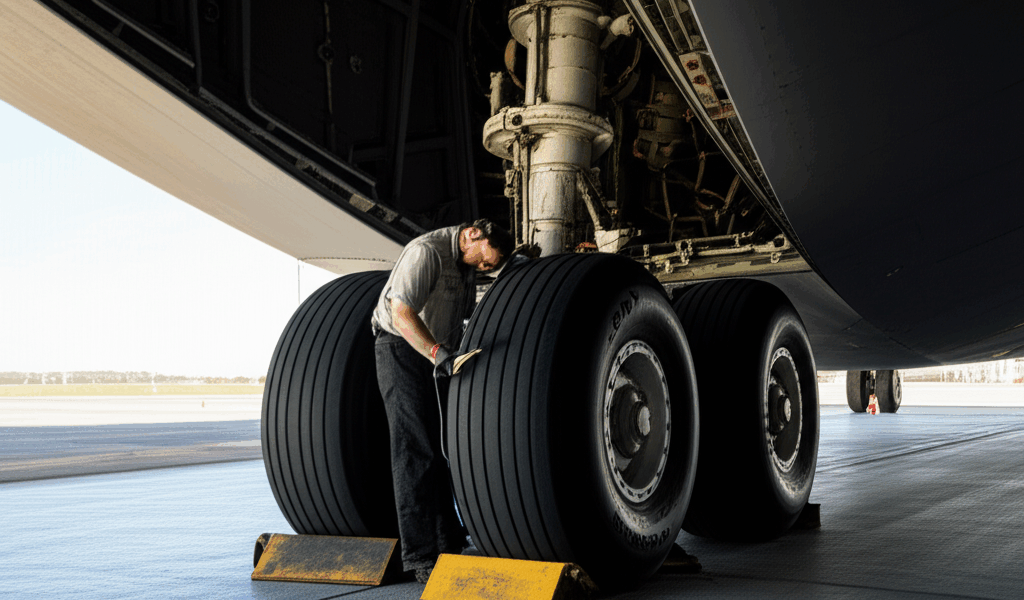
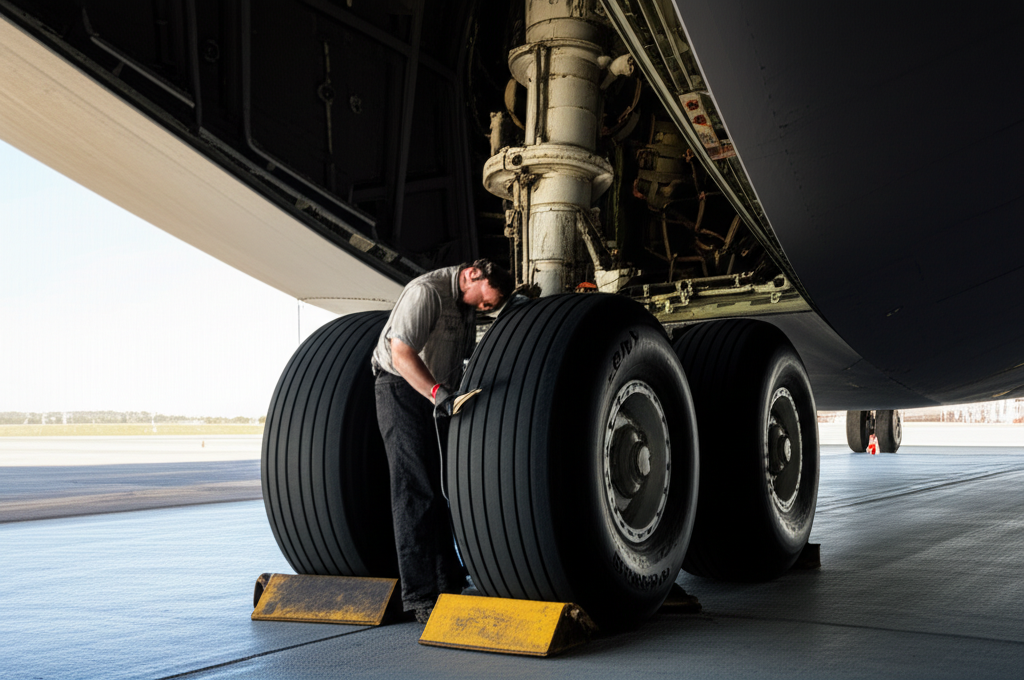
The C-17 requires a substantial maintenance infrastructure. Maintenance Man-Hours per Flight Hour (MMH/FH) figures for the aircraft have typically been cited in the 20 to 30 range — meaning 20 to 30 hours of maintenance labor for every flight hour flown. Specialized training and tooling for the avionics, hydraulic systems, and engines add to the institutional cost.
Mission Capable rates are tracked closely by wing leadership. A grounded aircraft represents wasted investment, and the Air Force targets high MC rates for the airlift fleet. The 402nd Maintenance Wing at Robins AFB handles primary depot maintenance for the C-17, with Boeing providing depot-level contract support historically.
Crew Costs
A standard C-17 crew is two pilots and one or two loadmasters. On long missions, crew rest requirements and crew day limits drive augmentation needs, adding people and complexity. Aircrew costs include salary, housing allowance, flying pay, and the institutional investment in training — initial qualification training for a C-17 crew member is a significant program investment that doesn’t show up in the per-flight-hour figure.
Support Infrastructure
Operating the C-17 requires a mature logistics chain: spare parts inventory, specialized ground support equipment, qualified maintenance personnel at home station and deployed locations, fuel infrastructure capable of supporting rapid ground turns, and command and control to schedule missions and manage crew rest. When the aircraft deploys to austere locations, it often carries its own support — maintenance personnel, spare parts kits, ground equipment — because nothing else exists at the destination.
Why These Costs Drive Operational Decisions
The cost structure shows up in mission planning in concrete ways. Planners optimize routing to reduce fuel burn. Aircraft utilization is tracked to amortize fixed costs across more flight hours. Tanker support is weighed against the cost of intermediate fuel stops. Training sorties are consolidated to maximize learning per flight hour.
The C-17 is expensive. It also provides strategic effect that no other aircraft in the inventory replicates — landing on a 3,500-foot dirt strip with 170,000 pounds of cargo, or airdropping a combat-ready force anywhere in the world within hours, doesn’t come cheap. Understanding the cost structure is part of being a good steward of those resources, and it shows up in every mission planning decision a C-17 crew makes.

Subscribe for Updates
Get the latest articles delivered to your inbox.
We respect your privacy. Unsubscribe anytime.