Your First C-17 Flight: What Every New Pilot Should Expect

The day you’ve been waiting for has finally arrived. After months—or years—of training, you’re about to climb into the left seat of a C-17 Globemaster III for your first actual flight. Your palms are sweating. Your heart is racing. Every pilot who has ever strapped into this aircraft knows exactly how you feel.

This guide walks you through what to expect on your first C-17 flight, from the moment you arrive at the squadron to when you shut down the engines. No sugarcoating, no false promises—just the real experience from pilots who’ve been there.

The Night Before: Sleep Won’t Come Easy

Let’s be honest. You won’t sleep well the night before your first flight. Every C-17 pilot remembers lying awake, mentally running through procedures, visualizing emergencies, and wondering if they’re actually ready.

Here’s the truth: you’re more prepared than you think. By the time you reach your first flight, you’ve spent roughly 150 hours in the simulator. You’ve practiced every emergency imaginable. You’ve been evaluated, re-evaluated, and certified. Trust your training.

Set three alarms. Eat a light dinner. Avoid caffeine after noon. And accept that some nervousness is normal—even the most experienced aircraft commanders felt it on day one.

Show Time: Arriving at the Squadron

You’ll typically show at the squadron 2-3 hours before scheduled takeoff. This isn’t optional padding—you’ll need every minute.

The Mission Brief

Your instructor pilot (IP) will conduct a thorough mission brief covering:

  • Weather: Current conditions, forecasts, and alternates
  • NOTAMs: Anything affecting your route or destination
  • Aircraft configuration: Fuel load, cargo, passenger count
  • Mission profile: Exactly what you’ll be practicing
  • Emergency procedures: Focus areas for the flight

Pay attention during this brief. Ask questions. Write things down. Your IP wants you to succeed—they’re not trying to trick you.

Walking to the Jet: The Moment Gets Real

The walk from the squadron to the aircraft is when reality hits. The C-17 is massive. Even after seeing it hundreds of times, the scale is overwhelming. You’re about to fly this 585,000-pound machine.

Take a deep breath. Remember that the C-17 was designed to be pilot-friendly. Despite its size, it handles like a much smaller aircraft thanks to fly-by-wire technology and excellent ergonomics.

The Preflight Walk-Around

You’ll conduct a thorough exterior inspection with your IP. This typically takes 20-30 minutes and covers:

  • All four engines and thrust reversers
  • Flight control surfaces
  • Landing gear (all 24 tires)
  • Cargo compartment and ramp
  • External lights and sensors

Your IP will point out specific items to check and explain why they matter. This isn’t just checkboxing—understanding the aircraft’s systems makes you a better pilot.

Strapping In: The Cockpit Environment

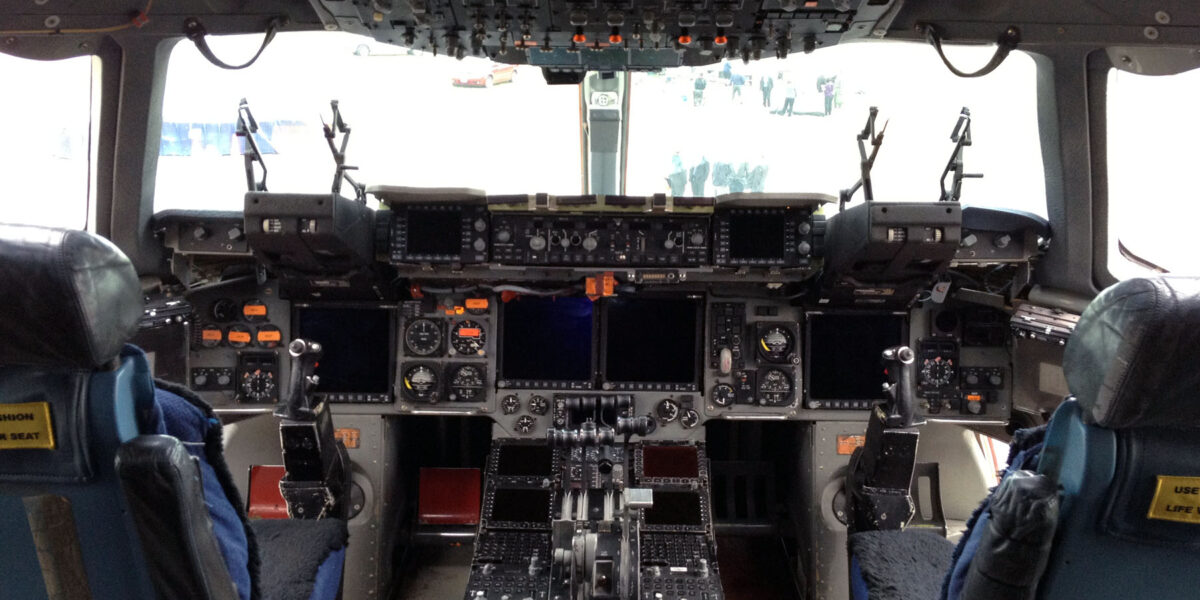
The C-17 cockpit is simultaneously intimidating and logical. Four large displays dominate the instrument panel. Hundreds of switches, knobs, and buttons surround you. But here’s the secret: you don’t need to know all of them on day one.

Focus on:

  • Primary Flight Display (PFD): Your attitude, airspeed, altitude, and heading
  • Navigation Display (ND): Where you are and where you’re going
  • Engine displays: Are all four engines happy?
  • Warning systems: What’s the aircraft trying to tell you?

Your IP and the other crew members will handle systems you haven’t mastered yet. That’s why you have a crew.

Engine Start: The Beast Awakens

Starting a C-17’s engines is surprisingly straightforward. The aircraft’s digital systems do most of the work. But when you hear those four Pratt & Whitney F117 engines spool up, producing 40,440 pounds of thrust each, you’ll understand why pilots call it “waking the beast.”

What to watch for during start:

  • EGT (Exhaust Gas Temperature) stays within limits
  • N1 and N2 spool up normally
  • Oil pressure and temperature stabilize
  • Generators come online

Taxi: Handling 585,000 Pounds

Here’s where new pilots often struggle. The C-17 is 174 feet long with a 170-foot wingspan. Taxiing requires constant awareness of wingtip clearance, especially around other aircraft and obstacles.

Key taxi tips:

  • Use the nose wheel steering tiller—it’s more precise than rudder pedals at low speeds
  • Plan your turns early; the aircraft doesn’t pivot on a dime
  • Watch your speed; momentum is your enemy in tight spaces
  • Trust your crew to call clearances—they’re watching what you can’t see

On your first flight, your IP will likely handle the more complex taxi routing. Watch and learn. You’ll get your chance.

Takeoff: When 174 Feet of Aircraft Leaves the Ground

The takeoff roll is where the C-17’s power becomes real. With throttles at takeoff thrust, you’ll feel yourself pushed back into the seat. The airspeed tape climbs rapidly. Before you know it, you’re at rotation speed.

The moment the main gear leaves the runway is unforgettable. One second you’re on the ground; the next, you’re climbing at 3,000+ feet per minute in an aircraft the size of a small building.

What new pilots commonly experience:

  • Overcorrecting on the controls (the fly-by-wire makes inputs smooth—trust it)
  • Fixating on one instrument (keep your scan moving)
  • Forgetting callouts (your IP will prompt you if needed)
  • Pure, unadulterated joy (this is normal and encouraged)

The Training Area: Where Learning Really Happens

Your first flight will include time in a designated training area where you’ll practice:

Slow Flight and Stalls

Yes, you’ll practice stalls in a C-17. The stick shaker activates well before the actual stall, giving you plenty of warning. Recovery is straightforward: reduce angle of attack and add power.

Steep Turns

Maintaining altitude and airspeed while banking 45-60 degrees teaches you how the aircraft responds to control inputs. The C-17’s fly-by-wire helps prevent over-stressing the airframe.

Emergency Procedures

Your IP will introduce simulated emergencies—engine failures, electrical malfunctions, hydraulic issues. These aren’t designed to fail you; they’re designed to build your confidence in handling the unexpected.

Approach and Landing: The Ultimate Test

Landing a C-17 is often described as “firm but controlled.” The aircraft has a trailing link landing gear designed to absorb significant vertical loads. Don’t try to grease it on—a solid touchdown is perfectly acceptable.

What to focus on:

  • Maintain a stable approach (airspeed, descent rate, configuration)
  • Cross the threshold at the right height and speed
  • Flare gently and let the aircraft settle
  • Deploy thrust reversers immediately after touchdown

Your first landing won’t be perfect. That’s okay. The aircraft can handle imperfection better than you think.

Shutting Down: Reflection Time

After parking, you’ll run through the shutdown checklist, post-flight inspection, and debrief. The debrief is crucial—your IP will go through what went well and what needs work.

Be honest with yourself during this debrief. Did you feel behind the aircraft at any point? What would you do differently? The best pilots never stop learning.

What Experienced Pilots Wish They’d Known

We asked C-17 pilots with thousands of hours what they wish someone had told them before their first flight:

“Trust the automation when appropriate, but always be ready to take over. The C-17 is incredibly capable, but you’re the final authority.”

“Talk to your crew. They’re not just passengers in the cockpit. The loadmaster, the other pilot—everyone has information that can help you.”

“It’s okay to feel overwhelmed. The aircraft will wait for you to catch up. Don’t rush.”

The Reality Check

Your first C-17 flight is just the beginning. You have hundreds of hours of training ahead, countless evaluations, and years of experience to build. But that first flight—the one where you realize you can actually do this—changes everything.

The C-17 community is tight-knit. Every pilot you meet remembers their first flight. They’ll share stories, offer advice, and help you become the pilot you’re capable of being.

Welcome to the C-17 family. The hard work starts now.

Jason Michael

Jason Michael

Author

Jason Michael is a Pacific Northwest gardening enthusiast and longtime homeowner in the Seattle area. He enjoys growing vegetables, cultivating native plants, and experimenting with sustainable gardening practices suited to the region's unique climate.

✈️ Get the latest C-17 news & insider content

Shop C-17 Gear

Subscribe for Updates

Get the latest articles delivered to your inbox.